

I approach ventilation design with the same meticulous attention as I do with lighting and spatial layout, aiming for a natural atmosphere that supports health and well-being. Access to fresh air should be viewed as a fundamental necessity rather than a mere luxury. According to WELL v2, improved ventilation techniques can mitigate indoor pollutants and enhance cognitive capabilities. Moreover, research from Steelcase suggests a connection between improved indoor air quality and thermal comfort to heightened focus and reduced complaints. My projects typically achieve balanced airflow through a combination of sufficient outdoor air, targeted filtration, and regulated pressure, ensuring pollutants are kept at bay while maintaining freshness indoors.
When making decisions, I rely on dependable benchmarks. The WELL v2 Air concept emphasizes the importance of strategies that limit CO₂ accumulation; I strive to keep indoor CO₂ levels below 800–1,000 ppm, which is commonly accepted within the field for proper ventilation. Moreover, managing glare is essential since occupants frequently open windows for relief; I follow IES guidelines for visual comfort and luminaire placement to harmonize daylight with HVAC systems instead of competing against them. Steelcase's findings indicate that factors like air quality and acoustics heavily impact employee engagement and productivity, suggesting that ventilation must coordinate effectively with noise management and spatial design.
Key Principles of Healthy Ventilation
My process begins with controlling the source of pollutants, followed by diluting and filtering the air. In spaces where combustion appliances or significant VOC emissions occur (like newly painted areas or new materials), I tackle these issues at the source and boost outside air intake until total VOC readings stabilize. Air changes per hour (ACH) differ based on room usage: living areas generally aim for a minimum of 0.35–0.5 ACH, in line with typical residential recommendations, while kitchens and bathrooms often require higher localized exhaust (50–100 cfm or more) to swiftly remove moisture and odors. For bedrooms, my primary concern is CO₂ levels; if nighttime CO₂ rises above 1,000 ppm, I enhance ventilation or introduce a dedicated outdoor air supply.
Optimizing Outdoor Air and Energy Efficiency
Fresh air shouldn’t compromise comfort or incur excessive utility bills. I implement heat-recovery ventilators (HRVs) or energy-recovery ventilators (ERVs) to pre-condition incoming air, effectively reclaiming heat and, in the case of ERVs, a portion of humidity. In compact apartments, a slim ERV connected to common areas can minimize energy costs while ensuring ample airflow. In temperate regions, window ventilation strategies can be effective when PM2.5 levels are low; otherwise, filtration becomes crucial.
Filtration and Particulate Management
Filters serve as the unsung heroes of indoor air quality. I typically recommend MERV 13 filters where systems can handle the associated pressure drops, as they capture a significant percentage of fine particles. If a central HVAC system can’t manage the higher resistance, I deploy portable HEPA air purifiers that provide at least two additional room air changes, strategically placed to avoid corners where airflow stagnates. Additionally, I incorporate entry mats and seal gaps to lessen dust intrusion; it’s impressive how effective door sweeps and weatherstripping can be in reducing particulate infiltration.
Airflow Patterns and Layout Considerations
Air should move through the breathing zone smoothly without creating drafts. I strategically place supply diffusers to facilitate air mixing and prevent direct airflow onto occupants. Returns are positioned higher in warm spaces and kept separate from supply vents to promote circulation. When redesigning a living room or studio, I utilize a layout tool to visualize furniture positioning, ensuring that airflow paths remain clear of obstructions.
Managing Moisture in Kitchens and Bathrooms
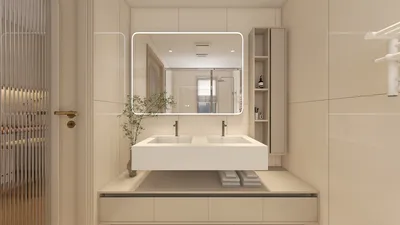
Controlling moisture is crucial to avoid mold growth and maintain the integrity of materials. In bathrooms, I install a quiet fan (ideally under 1.0 sone for minimal noise) equipped with a humidity sensor to clear steam more effectively than conventional switches. Kitchens require a ducted range hood that vents directly outdoors; recirculating hoods should only be a last resort. My goal is to prioritize capture efficiency over sheer cfm—deep and wide range hoods positioned close to the cooktop lead to noticeable differences in air quality.
Acoustic Comfort in Ventilation Systems
Loud ventilation can hinder concentration and disturb sleep. I select lined ducts, gentle elbows, and low-pressure diffusers to minimize noise turbulence. Additionally, when choosing portable air purifiers, I assess their decibel ratings at the necessary Clean Air Delivery Rate (CADR); most individuals tolerate ambient noise levels around 35–45 dBA in living areas, and lower in bedrooms. Finding a balance between noise and airflow is a design consideration I prioritize early in the process to prevent occupant fatigue.
Thermal Comfort and Draft Prevention
Fresh air should feel neutral and comfortable. I regulate supply air temperature, maintain moderate face velocities, and implement displacement ventilation in taller spaces to enhance comfort in the breathing zone. The objective is to avoid cold drafts at leg level or hot airflow near seating areas. Fabric diffusers in large rooms create a gentle and evenly dispersed airflow—ideal for studios and creative environments.
Color Psychology and Spatial Perception
The connection between color and air quality is intriguing. Research indicates that color can impact mood and energy levels; cooler tones can psychologically enhance a sense of freshness, while warm, vibrant hues can convey coziness. I select light, low-VOC finishes to limit off-gassing and maintain perceptions of cleanliness. In wellness-oriented spaces, combining soft blue or green colors with effective ventilation often leads occupants to describe the area as feeling ‘fresher’ even when CO₂ levels are already acceptable.
Sustainable Material Choices
Choosing low-emission materials can significantly reduce the burden on ventilation systems. I focus on water-based finishes, formaldehyde-free components, and sealed edges on engineered wood products. During renovation projects, I evaluate existing materials for hidden VOCs and consider a phased approach to purging; this includes increasing outdoor air and filtration following installation until total VOCs decline. A well-sealed building envelope combined with controlled air exchange is far more effective than leaky structures that depend on random air changes.
Monitoring Systems, Sensors, and Maintenance Protocols
In order for ventilation systems to function effectively, they must receive timely feedback. I incorporate CO₂ sensors in living rooms and bedrooms, humidity sensors in bathrooms, and PM2.5 sensors in areas with high traffic. Should CO₂ levels rise, the system compensates by increasing outdoor air intake; if humidity levels spike, the exhaust will activate. I schedule reminders for filter replacements; clogged filters can severely compromise performance and energy efficiency. I also conduct system commissioning—verifying airflow rates at diffusers and balancing supply and return ventilation to prevent unwanted air pressure fluctuations.
Design for Versatile Spaces
In homes with flexible rooms, adaptability in airflow is essential. For instance, a home office that doubles as a guest room necessitates a dedicated outdoor air supply and a quiet air purifier. In creative studios, employing displacement ventilation along with acoustic measures mitigates noise disturbances between collaborators. Maintaining movable furniture ensures that airflow registers remain unobstructed; leveraging a room layout tool can help clarify furniture arrangements to maintain effective airflow.
Observations from Recent Projects
In a compact urban apartment, the installation of a slim ERV and two HEPA units reduced PM2.5 levels to under 10 μg/m³ during days with moderate outdoor pollution, with nighttime CO₂ levels remaining steady between 700–800 ppm—representing a comfortable environment. In a coworking lounge, repositioning supply diffusers away from seating areas and incorporating acoustically lined ductwork halved noise complaints, while balanced returns resolved warmth issues near windows. The overarching theme: effective ventilation tailored to user behavior rather than solely based on equipment specifications.
Resource Benchmarks and Design Coordination
I coordinate my designs with health-centric frameworks and research. The WELL v2 Air concept guides my outdoor air strategies and sensory provisions, while studies from Steelcase emphasize the importance of environmental quality in fostering engagement. IES guidelines assist in avoiding glare that compels occupants to open windows unnecessarily, which can disrupt pressure equilibrium. Thoughtfully orchestrating all elements creates spaces that are consistently fresh, stable, and serene.
Frequently Asked Questions
As a foundational guideline, aim for at least 0.35–0.5 ACH and keep an eye on CO₂ levels. Should evening CO₂ concentrations exceed approximately 1,000 ppm with usual occupancy, look to enhance outdoor air intake or incorporate a balanced HRV/ERV.
Absolutely, as long as your system can manage the pressure drop effectively. MERV 13 filters can capture a substantial fraction of fine particles. If that’s unfeasible, consider adding a HEPA purifier with the right CADR rating for additional support.
HRVs are ideal for cooler, drier climates where heat recovery is prioritized, while ERVs are advantageous in humid environments to help stabilize indoor moisture levels.
Utilize lined ducts, gentle curvature elbows, and low-static diffusers. Properly sizing fans and assessing sone/dBA ratings during the selection process is crucial. Ensure balanced airflow to mitigate noise issues such as whistling from excess air velocity.
Refrain from using window ventilation during high PM events and instead rely on effective filtration techniques. Ensure door seals are intact, upgrade filters regularly, and employ portable HEPA units where necessary to maintain indoor PM2.5 levels.
Definitely. Augment outdoor air intake, operate air purifiers, and choose low-VOC finishes for new installations. Implementing a purge period post-installation aids in reducing odors as VOC levels stabilize.
Position air purifiers centrally within the room, minimizing obstructions to airflow and ideally ensuring their CADR provides at least two additional air changes for optimal performance.
Direct airflow supply angles to promote mixing before it reaches the occupants, manage face velocity to maintain comfort, and explore displacement ventilation in taller spaces to achieve a tranquil breathing environment.
Indeed. Enhanced air quality and acoustic comfort contribute significantly to improved focus and lower complaint rates, as demonstrated in workplace studies. Monitoring CO₂ and noise levels is crucial to sustaining performance.
Absolutely. Cooler, muted hues often produce a fresher ambiance, while low-VOC finishes minimize odor presence. The interplay between perception and air quality profoundly impacts overall comfort.
Minimalist Black Oak Arched Glass Display Cabinet 3D Model

Natural Wood Coffee Table, Natural Wood Edge Conte
Coaster Home Furnishings - Camacho - Upholstered C
Transform your home design dreams into reality with Homestyler! This user-friendly online platform offers an intuitive design tool, stunning 3D renderings, and a wealth of inspiring projects and video tutorials. Perfect for both beginners and seasoned designers aiming to create beautiful spaces effortlessly.
Дизайн сейчас бесплатно
































