

Quick Overview
- Consistent floor and wall tiles can create a seamless and harmonious appearance that elevates the aesthetics of your bathroom.
- Larger tiles can make a compact bathroom appear more spacious, while smaller tiles can introduce texture and intricacy.
- It is crucial for floor tiles in wet zones to be slip-resistant for safety purposes.
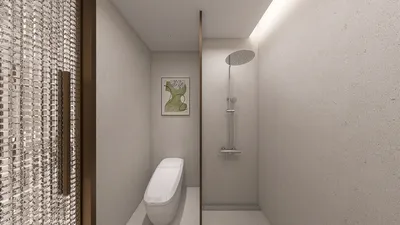
When planning your bathroom design, one of the first considerations should be the tiles. Aligning your floor and wall tiles can produce a unified and elegant style that amplifies the overall beauty of your space. How do you select the perfect tiles that coordinate well and align with your design preferences? This article presents essential tips and insights for harmonizing floor and wall tiles in your bathroom. Start by choosing a color scheme. Opt for neutral shades for a timeless appearance or experiment with vibrant colors for a more dynamic ambiance. Ensure that the tones of both the floor and wall tiles are in sync. Next, think about the materials. Popular choices like porcelain and ceramic tiles are favored for floors and walls due to their durability and easy upkeep. Alternatively, if you're seeking something distinctive and elegant, natural stone tiles may be ideal. Another vital consideration is the size of the tiles. Larger tiles can make a compact bathroom seem more extensive, while smaller tiles enrich your design with texture. Strive for uniformity in tile dimensions or pair large floor tiles with smaller wall tiles for visual contrast. Textured tiles can enhance the depth of your bathroom. Using textured wall tiles that complement your floor tiles can foster visual appeal without overcrowding the area. Incorporating various shapes, such as hexagonal or subway tiles, can further help achieve a unique design while maintaining cohesion. Patterns are another significant factor in bathroom design. If you opt for patterned floor tiles, consider solid-colored wall tiles to create balance or the other way around. To facilitate a smooth transition between the floor and wall tiles, be mindful of the grout color. A matching grout can unify the design, while a contrasting color can accentuate it. Lastly, practical considerations, such as ensuring slip resistance for floor tiles, are paramount. Choosing tiles designed for wet conditions is essential to prevent slips and falls. By following these guidelines, you can effectively match your floor and wall tiles, creating a stunning and functional bathroom that showcases your personal style, especially when utilizing tools like Homestyler.
Tip 1:
Always take samples of your chosen tiles and observe them together in your space before finalizing your selection.
FAQ
Q: Is it acceptable to use identical tiles for the bathroom floor and walls? A: Absolutely, using matching tiles can foster a unified look, but varying the layout or finish can add interest.
Q: How should I select the appropriate tile size for my bathroom? A: Larger tiles can create an illusion of space in a small area, whereas smaller ones add intricate details. It depends on your desired aesthetic.
Q: Are there tiles that are specifically recommended for wet areas? A: Yes, it is vital to choose tiles that are slip-resistant and made for wet environments to ensure safety.
welcome to Homestyler


Experience home design like never before with Homestyler! This user-friendly platform offers an outstanding online design tool, stunning 3D renderings, and a wealth of inspiring design projects. Plus, with DIY video tutorials, transforming your space has never been easier or more enjoyable. Get started today!
立即免费设计
































