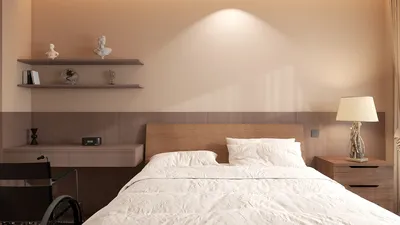


Hallways and entryways require more than just a coat rack and console. With the right design, wall shelves can transform these transitional areas into functional and attractive spaces for display, storage, and daily activities. My approach to hall shelving incorporates a blend of aesthetics and functionality, considering sightlines, movement flow, and the small rituals that occur as people navigate through homes or offices. By leveraging tools like Homestyler, the design process can be simplified and enhanced.
Given the limited space in hallways, it's essential to consider scale and shelf height. The WELL v2 standard suggests ensuring clear, unobstructed pathways while prioritizing visual comfort; lighting should be adjustable and avoid glare for varying times of the day. The Illuminating Engineering Society (IES) advises maintaining corridor illumination levels between 50–100 lux for safe navigation, complemented by accent lights for key display moments. Effective lighting combined with shallow shelf depths can maintain safe movement while showcasing personal character.
Functionally, hallways serve as transitional zones for items like keys, mail, and small decorative elements. Research from Steelcase indicates that predictable pathways can ease cognitive load and enhance comfort in workplaces—and this principle also holds in homes. To facilitate easy access, keep essential items within the 36–44 inch height range above the floor while ensuring a minimum passage width of 36 inches. Additionally, color psychology plays a significant role; studies indicate that blue tones can create a calming atmosphere, while warm neutrals signal a welcoming environment. Pairing these neutral backgrounds with textured wood shelves established a cohesive aesthetic that minimizes visual clutter.
Key Design Principles for Hall Wall Shelves
My design framework pivots on three primary principles: proportion, clearance, and visual rhythm. The ideal shelf depth for hallways is between 6–10 inches, preventing collisions at hip level while providing space for books, photos, and small plants. Clearance should ensure a minimum 36-inch wide walkway; in compact prewar layouts, I’ve successfully opted for 6-inch floating ledges and varied alcove depths to maintain fluid movement. Rhythm pertains to visual harmony—grouping items in threes, leveraging negative space, and aligning edges with architectural features like door frames or wainscoting contribute to a sense of order amid diverse objects.
Floating Shelves: Sleek Lines and Concealed Hardware
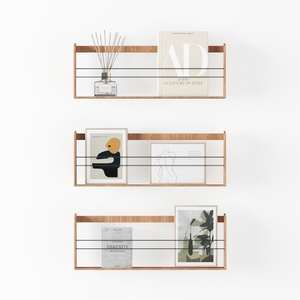
My design favorites, floating shelves, offer elegant storage combined with a contemporary flair. I typically select hidden brackets rated to support the expected weight loads, particularly for longer spans. Position the lowest shelf between 36–40 inches to create quick drop zones, with a higher shelf set at 60–66 inches for display purposes. In narrow hallways, I prefer slim profiles made from oak or walnut veneer, adding warmth without taking away visual space. A practical lighting tip involves employing integrated LED strips with a warm color temperature (2700–3000K) to minimize glare and enhance visual depth. Tools like Homestyler can assist in planning efficient layouts and determining spacing needs.
Picture Ledges and Sleek Profiles
In constrained spaces, picture ledges (2–4 inches in depth) store frames, postcards, and slim items securely with a protective lip. They’re perfect for creating family galleries in transition areas. I prefer varying heights—one ledge aligned at eye level (about 57 inches to the center) and another 8–12 inches higher for a layered effect. Keeping frame widths consistent or harmonizing them through matting can effectively reduce visual clutter.
Built-In Niches and Recessed Solutions
For renovations, adding recessed niches is a worthwhile investment. Carving out 3–5 inches into a stud bay creates storage without encroaching on hallway width. I recommend detailing drywall returns with hardwood sills for edge protection and incorporating micro soffit lights to highlight displays. Recessed mail slots and tray niches by entries efficiently manage paper clutter.
Modular Grid Shelving
Modular shelving systems featuring smaller cubbies provide a structured aesthetic. In hallways, smaller formats (8x8 or 10x10 inches) accommodate items without overwhelming the space. To maintain a dynamic visual rhythm, I often use asymmetry—two columns of cubes balanced by a solitary floating shelf. If sound absorption is an issue in echo-prone corridors, integrating felt-backed panels or cork modules can enhance acoustic comfort while adding material richness.
Corner and Wrap Shelves
Corners often go underutilized, yet triangular wrap shelves effectively carry items around bends, creating visual balance. By aligning the shelf's front edge flush with the adjacent wall, snags are avoided while maintaining a seamless sightline. In compact apartments, a three-tier corner stack near the entrance provides room for keys, sunglasses, and a plant, keeping surfaces clear.
Rail-and-Hook Systems with Micro Shelves
Not everything needs to be stacked on shelves; some items can hang. A streamlined wall rail with hooks and a 4-inch micro shelf can accommodate dog leashes, umbrellas, and a tray for mail. Rails should be mounted between 50–56 inches, depending on user height. This combination respects movement while supporting everyday activities.
Material Choices and Sustainability
Durability is crucial in high-traffic areas. I prefer wood veneers that are FSC-certified, moisture-resistant cores, powder-coated steel brackets, and low-VOC finishes. For environments with plants or humidity, marine-grade plywood or compact laminate provides resistance to warping. Exploring resources such as Material Connexion can help evaluate sustainable material options.
Lighting, Glare Management, and Atmosphere
Optimizing hall lighting requires a layered approach. I like to blend ambient ceiling lighting with wall washers or curated picture lights, aiming for illumination levels between 100–150 lux when shelves host focal displays. Glare management is vital; selecting diffused lenses and indirect fixtures aligns with WELL v2's focus on visual comfort, making dimmers essential. Warm LED lighting (2700–3000K) enhances wood and artwork while cooler tones (3500K) can refresh designs without appearing sterile.
Color Psychology and Decoration
When designing hall shelving, I advocate for a restrained color palette. Typically, I maintain 2-3 colors alongside natural elements. Touches of blue instill calmness; warm whites and soft taupes generate an inviting feel, consistent with color psychology findings. Organizing books by color, using ceramics for texture, and leaving deliberate gaps creates a balanced visual experience. A slim runner in a complementary tone can help anchor the overall design.
Ergonomics and Safety
It’s essential that edges are rounded or chamfered, especially at hip and shoulder levels. In spaces with children, heavier items should be mounted higher, with concealed fastening to avert tipping hazards. Ensure that hallways remain 36–42 inches wide for accessibility, with shelf projections adhering to ADA guidelines for reach. An ergonomic design enhances comfort in the space.
Layout Planning and Visualization
I typically begin by sketching elevations and then testing spacing using painter’s tape prior to installation. For visualizing layouts or experimenting with clearances, an interior layout planner tool can simplify decisions and avoid costly errors. Take a photo of the wall, mark centerlines, and align shelves with existing architectural lines for a serene composition.
Common Hall Shelf Configurations
An uncomplicated design featuring a single 8-inch deep floating shelf at 38 inches high, along with a small tray and wall hooks—this approach is clean, practical, and space-efficient.
Three picture ledges layered from 48 to 72 inches, featuring evenly spaced frames and subtle pottery accents for added depth.
A modular grid supported by a longer floating shelf, softened by felt panels to enhance acoustics and introduce texture.
Frequently Asked Questions
Q1: What’s the ideal shelf depth for narrow hallways?
A: Aim for depths between 6–8 inches to ensure safe passage; picture ledges at 2–4 inches are perfect for tight spaces.
Q2: What height is best for shelves designated as drop zones for keys and mail?
A: Mount at 36–40 inches above the floor for ease of access for most adults.
Q3: What should the lighting levels be for corridor shelves?
A: Target ambient corridor lighting at around 50–100 lux, then supplement with accent lighting to highlight displays. Utilize diffused fixtures to mitigate glare, following IES recommendations.
Q4: Which colors create a welcoming ambiance in a hall?
A: Warm neutrals complemented by soft blues or greens foster a calm and inviting atmosphere; psychological findings suggest blues can promote tranquility while warm shades enhance comfort.
Q5: How can I ensure unobstructed pathways?
A: Maintain a clear width of at least 36 inches, steer clear of sharp edges, and consider slim shelves or recessed niches. Use tape to test placements before finalizing.
Q6: Are floating shelves robust enough to hold books?
A: Absolutely, provided that hidden brackets are securely anchored into studs and load-rated hardware is employed. For longer spans, consider using discreet vertical supports.
Q7: What materials are effective against warping in humid entryways?
A: Marine-grade plywood, compact laminate, or sturdy MDF with a well-sealed veneer. Select low-VOC finishes and durable powder-coated brackets for longevity.
Q8: How can I minimize noise in a hard corridor?
A: Incorporate felt-backed panels, cork elements, or soft runners; these porous materials can absorb sound and diffuse reflections.
Q9: Is it possible to effectively combine hooks with shelves without creating visual clutter?
A: Yes, utilizing a minimalist rail-and-hook system with a 4-inch micro shelf helps maintain a neat appearance. Align edges and stick to a cohesive color scheme to achieve a streamlined look.
Q10: What’s the safest shelving strategy for families with kids?
A: Use rounded edges, ensure heavier items are positioned higher, and anchor shelves securely to studs to avoid precarious situations. Avoid protrusions at head height for children.



Looking to transform your home? Homestyler is the ultimate online design platform for you! Enjoy a user-friendly design tool, stunning 3D renderings, a variety of design projects, and helpful DIY video tutorials—perfect for bringing your creative vision to life effortlessly!
Concevez maintenant gratuitement
































