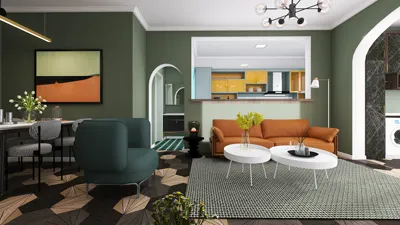


Common errors in gypsy caravan interior design often involve excessive decoration, inadequate lighting strategies, and neglecting functional storage solutions. Addressing these challenges typically requires streamlining the layout, layering different light sources effectively, and balancing aesthetic details with usable space.
In confined caravan interiors, every item should have a defined purpose. Achieving equilibrium between décor, storage, and movement preserves the enchanting gypsy style without creating visual clutter.
Insights Into Gypsy Caravan Interior Challenges
Through years of experience working on compact mobile homes and festival caravans, I've observed recurring patterns in gypsy caravan interior design issues. Enthusiasts often embrace the whimsical, bohemian vibe and add numerous textiles, lanterns, artwork, and trinkets until the interior feels structurally lost.
Historically, gypsy caravans were built with great functionality—every cabinet, bench, and shelf had a role. Modern DIY decorators sometimes overlook this, which can lead to cramped, poorly lit, and visually chaotic spaces.
When reevaluating a small caravan layout, it’s beneficial to first visualize the space in detail. Many designers find it useful to start with a layout planner dedicated to small living areas before placing any furnishings.
This article explores frequent caravan decorating pitfalls seen in real projects and offers practical solutions that maintain comfort without sacrificing the beloved gypsy charm, including utilizing tools like Homestyler for visualization.
Understanding Why Gypsy Caravans Often Appear Overfilled
Key Point: Overcrowding occurs when the amount of decoration surpasses the caravan's limited physical dimensions.
While ornate detailing is celebrated in gypsy caravan design, size constraints—the typical range being 70 to 100 square feet—mean that even a handful of extra decorative items can stifle the space's visual openness.
In several projects reviewed, the issue lies less in furniture dimensions and more in decorative excess: layers of rugs, tassels on curtains, numerous lanterns, patterned cushions, and competing wall art create a sensory overload.
Professional restorers frequently remove nearly half of the décor during refurbishment, surprisingly strengthening the caravan's character rather than diminishing it.
Enhancing Lighting in Compact Caravan Interiors
Key Insight: Relying solely on one overhead fixture tends to make gypsy caravans feel congested and dull.
Lighting often goes underestimated in caravan design. Traditional gypsy caravans utilized multiple lanterns that naturally formed layers of illumination.
Contemporary setups replaced this with single ceiling lights, flattening the light and space ambiance.
Effective lighting schemes generally start by mapping light placements on a floor plan, a process that can be enhanced using 3D visualization tools like Homestyler to simulate how light diffuses in compact areas.
Warm light temperatures between 2700K and 3000K are preferred, as cooler lights tend to make rich interior colors appear harsh.
Balancing Aesthetics and Practicality in Caravan Design
Key Insight: The most successful gypsy caravan interiors integrate decorative elements into the structure itself, instead of adding them on afterward.
A frequent mistake is decorating only after finalizing the layout, which can lead to imbalance in small spaces. Instead, décor should be woven into functional components from the beginning.
This principle reflects how authentic Romani wagons were crafted, with ornamentation carved directly into structural features for cohesion.
Preventing Color Overload in Tight Spaces
Key Point: Using too many vivid colors can visually shrink a small caravan’s interior.
Bohemian interiors embrace bold hues, yet maintaining restraint is vital. Surpassing four dominant colors in compact environments usually results in visual disorder.
A harmonized gypsy color scheme often rests on natural woods or cream-painted surfaces, creating a neutral canvas that allows textiles to add character without overwhelming the space.
Solving Storage Challenges While Maintaining Style
Key Insight: Concealed storage solutions are essential for keeping bohemian interiors tidy and functional.
Exposed storage in confined caravans tends to appear cluttered. Integrated, hidden compartments preserve aesthetic integrity and organization.
Top-performing storage strategies involve planning furniture zones meticulously—using resources like free floor plan creators for small homes—and ensuring circulation paths remain clear, which simplifies storage integration.
Simple Design Tweaks That Restore Balance
Key Insight: Minor visual adjustments can resolve most caravan interior issues without necessitating complete remodels.
Many owners assume a full redesign is necessary; however, focused changes can significantly improve comfort and appearance.
In summary, common interior design mistakes in gypsy caravans stem from excessive décor and insufficient forethought. Employing simplified decoration, layered lighting, limited color schemes, and hidden storage—facilitated by tools such as Homestyler—can transform even the smallest caravans into inviting, harmonious retreats.
Homestyler offers an easy-to-use online design tool, rich 3D renderings, inspiring design projects, and helpful DIY video tutorials—making it simple and fun to create and visualize your perfect home interior.
تصميم الآن مجانا
































