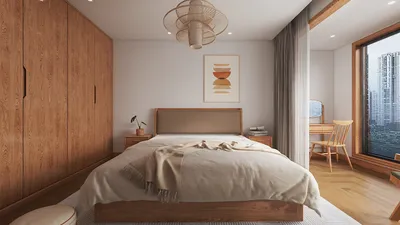


Nestled alongside the serene backwaters of the Sharavathi River in Karnataka, Sigandur is well-regarded for the peaceful ferry ride to the Sigandur Chowdeshwari Temple and its abundant greenery that maintains a milder atmosphere compared to coastal areas. In my process of room selection or design in this region, I strive for environments that incorporate eco-friendly features, sound dampening, and simple materials capable of withstanding the high humidity levels—thanks to the area’s stunning yet demanding foliage.
Comfort extends beyond just plush bedding; it encompasses the ergonomics of the space, the quality of light, and the acoustic environment. Studies focused on work and restful settings reveal significant impacts: a report from Herman Miller indicates that proper ergonomic design can alleviate discomfort and enhance user satisfaction in a variety of seating situations, which is especially relevant in travel accommodations where rest and posture during downtime are crucial. Light quality is essential as well; the Illuminating Engineering Society recommends that ideal task lighting be set around 300–500 lux, while ambient light should be lower, facilitating relaxation without harsh glare (as per IES guidelines). In humid regions such as Sigandur, the harmony of support and light can greatly determine whether a space feels rejuvenating after a day of ferry excursions.
The interplay of color and psychology requires careful thought, being both subtle and purposeful. An exploration of color psychology by Verywell Mind connects calming blues and greens with restorative qualities—shades that reflect the tranquility of both the river and the wilderness. I prefer moderate saturation levels and prioritize matte finishes to decrease glare during sunlight, helping to synchronize the circadian rhythm with softer evening lighting, ideally between 2700–3000K, steering clear from harsh white hues that can seem overly clinical.
Tips for Selecting the Ideal Room in Sigandur
I utilize a straightforward three-part checklist encompassing climate resilience, sensory comfort, and advantageous positioning. Climate resilience involves features such as ceiling fans with adjustable speeds, breathable linens, and mold-resistant bathroom materials. Sensory comfort includes a combination of ambient and task lighting, acoustic insulation on doors, and blackout or thermal curtains. Practical placement refers to being close to ferry terminals or temple entrances, ensuring window positioning maximizes cross-breezes while minimizing late-afternoon heat. If you wish to experiment with furniture layouts and bed orientations to optimize airflow before finalizing a booking or renovation, a layout simulation tool like Homestyler proves invaluable for visualizing furniture placements and air pathways.
Types of Rooms Available in Sigandur
- Riverside homestay options: Typically family-owned, featuring verandas and lovely garden vistas. Seek accommodations where windows face prevailing winds; inquire about the effectiveness of insect screens and ceiling fan controls.
- Lodges near the temple: These offer convenience during festive occasions. Focus on soundproofing through solid-core doors and double-layered curtains to mitigate early-morning disturbances.
- Eco-retreat cabins: Often constructed from laterite or stabilized earth blocks. Verify the use of breathable wall finishes and elevated foundations to help manage moisture and deter wildlife.
- Mid-range hotels in Sagara or nearby: Reliable for consistent amenities. Look for dedicated task lighting near desks or dressing spaces set around 300–500 lux, complemented by warm ambient lighting for nighttime.
Effective Lighting Solutions for Humid, Verdant Areas
Managing glare is vital due to the intense reflections from the river’s surface. I advocate for a layered lighting approach: warm dimmable ambient lighting (2700–3000K), precise task lighting for reading (3500–4000K), and safety night lights positioned near the bathroom to mitigate tripping hazards. Ensure that light fixtures are shielded or diffused; high-gloss surfaces can reflect light too aggressively. Align your lighting schedule with local conditions: offer cooler task lighting during sunrise breakfasts and warmer tones for evening routines that signal winding down.
Sound Comfort and Privacy Considerations
While the sounds of backwater birds and temple bells can be delightful, they can also be disruptive at 5 AM. Simple solutions include installing door and window seals, utilizing heavier curtains, and placing rugs to absorb sound. When booking, verify whether the rooms are located near service corridors or generators. For those looking to design or renovate, staggering bathrooms can help mitigate the noise from shared plumbing walls, and including soft headboard panels can reduce acoustic reflections.
Material Choices and Maintenance for Humidity
Dealing with humidity necessitates the use of breathable materials. I rely on cottons and linens while steering clear of heavy synthetic fabrics that aren’t moisture-friendly. For bathroom areas, opt for vitrified tiles or textured ceramics that resist algae and slipping. In terms of furniture, powder-coated metals perform better than untreated wood; if using wood, select well-seasoned teak with tight joinery. Aim for matte finishes with low-VOC options to enhance air quality.
Room Layout, Storage Solutions, and Mobility
Even smaller spaces can benefit from clear pathways. Strive for 750–900 mm of clearance around the bed, ensuring that luggage does not hinder airflow. Position seating close to windows for a breeze while keeping work surfaces away from reflective glare. To compare various room layouts effectively, a room design visualization tool like Homestyler allows you to assess furniture arrangement and movement paths before making a decision.
Locational Advice: Ferry, Temple, and Natural Surroundings
- Proximity to the Sigandur Ferry: This ensures convenient access but may result in increased foot traffic. Opt for upper-floor rooms and check the noise management capabilities.
- Temple Accessibility: Ideal for early morning visits; confirm the presence of blackout curtains for rest prior to sunrise.
- Riverside or Forest Edge Locations: Offer immersive views and substantial breezes. Ensure insect screens are in place and consider utilizing dehumidifiers or silica gel packs for extended stays.
Seasonal Guidance
- Monsoon Season (June–September): Focus on proper drainage at entry points, quick-dry textiles, and covered outdoor spaces. Implement a small rack for drying laundry and ask for anti-slip mats.
- Post-Monsoon/Winter Period: This season is perfect for enjoying outdoor seating; consider adding throw blankets and warm task lighting for cozy evenings.
- Summer Months: Rely on fans, cross-ventilation, and light window treatments. Use reflective blinds or external shading to minimize heat absorption.
Guest-Centric Amenities
Having a reliable power backup is essential—especially during busy temple days. Inquire about the availability of filtered water, on-call transport for ferry trips, and local guiding services. In the accommodation, I prioritize comfortable mattresses, breathable bedding, a variety of pillows, and desk lamps with focused beam spreads that won’t spill light into the sleeping area.
Design Trends Ideal for Sigandur
In the upcoming years of 2024 and 2025, accommodation preferences will lean towards biophilic design, tranquil technology, and versatile furnishings. Incorporating biophilic elements such as natural textures, greenery, and water vistas can help alleviate stress levels. Quiet technology encompasses systems with concealed wiring and fans that operate at minimal noise levels. Additionally, adaptable furniture such as nesting tables and wall hooks can keep the floors clear after a long day exploring the river.
Cultural Etiquette and Safety Guidelines
When visiting temples, it is important to dress modestly and verify ferry schedules in advance. Maintain cleanliness in footwear, carry a small flashlight for nighttime strolls, and ensure that valuables are secured away from windows. Speak with hosts about local wildlife protocols—especially regarding curious monkeys.
Frequently Asked Questions
Q1: What lighting conditions are ideal for evening reading?
A1: Aim for task lighting levels between 300–500 lux with warm color temperatures (2700–3000K) alongside shielded fixtures to mitigate glare, in line with recommendations from lighting standards organizations.
Q2: How can I alleviate humidity issues in riverside accommodations?
A2: Select breathable linens, adjustable ceiling fans, and rooms equipped with cross-ventilation features. Inquire about the availability of dehumidifiers or silica gel packs for extended stays.
Q3: Are rooms near temples typically noisy?
A3: Yes, as activities typically begin early. Seek solid-core door options, double-layer curtains, and sound-absorbing rugs. Request rooms situated away from service corridors and generators for improved sleep quality.
Q4: What color palettes promote a calming atmosphere after travel?
A4: Gentle blues and greens, paired with matte finishes, create a soothing ambiance without glare. Moderate saturation coupled with warm lighting in the evening facilitates relaxation.
Q5: What’s the recommended space around the bed for easy movement?
A5: Aim for a clearance of 750–900 mm. This space helps prevent collisions with furniture, improves airflow, and allows for luggage storage that doesn’t disrupt pathways.
Q6: Which materials best cope with humidity in Sigandur?
A6: Opt for cotton and linen for textile needs; vitrified or textured ceramic tiles work well in bathrooms; and choose powder-coated metal or well-prepared teak for furniture. High-gloss plastics should be avoided as they can trap condensation and show scratches easily.
Q7: What’s the perfect warm color temperature for evening relaxation?
A7: Utilize lighting within the 2700–3000K range with dimmable features. This range is easier on the eyes and creates a conducive atmosphere for winding down compared to cooler white lighting.
Q8: How can I preview a room's arrangement prior to booking?
A8: Request floor plans or photographs with measurements and use a layout simulation tool like Homestyler to visualize circulation and piece placements before committing to a decision.
Q9: Are eco-retreats in Sigandur suitable during monsoon seasons?
A9: Absolutely, provided they manage drainage properly, utilize quick-dry fabrics, and offer protected outdoor seating. Ensure there are insect screens and anti-slip surfaces in place.
Q10: What small touches can significantly enhance the experience?
A10: Reliable power backups, filtered water, quality desk lamps, varied types of pillows, and blackout curtains are essential. For stays in nature, it’s wise to have a flashlight and secure storage for valuables away from windows.

Minimalist Brown Velvet L Shaped Sectional Sofa 3D Model

Modern Tufted Leather Oversized Sectional Sofa 3D Model

Minimalist Rattan Solid Wood Round Dining Table Set 3D Model
Homestyler is a fantastic online home design platform perfect for anyone looking to create stunning interiors. With its user-friendly design tool, impressive 3D rendering, and inspiring DIY video tutorials, you can turn your creative ideas into reality effortlessly. Start designing your dream space today!
Design Now for FREE
































