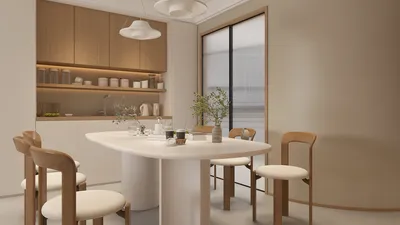


I once had a client who was determined to install glass cabinet doors that echoed her grandmother’s china, only to realize that the plates weren’t suitable for display. We shared a laugh and decided to switch the glass for frosted panels at strategic positions, making the kitchen feel more serene and personal. These small decisions illustrated how glass doors can either enhance elegance or create chaos, depending on their application.
1. Full Clear Glass for an Airy Feel
Utilizing full clear glass on upper cabinets creates an instant sense of openness in kitchens, particularly in confined spaces. In a compact apartment, I integrated this design, allowing the cabinet contents to become part of the decor and giving an illusion of a larger room. The advantage lies in achieving visual continuity and brightness; however, maintaining order is crucial to avoid a cluttered appearance.
save pin
2. Frosted Glass to Conceal Flaws
Frosted glass is my preferred choice when clients desire the soft, luminous qualities of glass without the need to display every dish. It effectively diffuses light and helps to disguise mismatched items, alleviating maintenance stress. While slightly less reflective than clear glass and forgiving in appearance, it does sacrifice some of the showroom dazzle.
save pin
3. Leaded or Patterned Glass for Vintage Flair
Incorporating patterned or leaded glass can add charm and uniqueness, particularly in transitional kitchens. I once renovated an old condo by adding leaded glass inserts to reflect the building’s historical essence, which imbued the space with character. However, the trade-off includes increased cost and the need for meticulous cleaning to maintain clarity in the patterns.
save pin
4. Backlit Glass Cabinets for Ambiance and Showcase
Integrating backlighting into glass-front cabinets can create a striking focal point while skillfully illuminating work areas during evening hours. In a project, I placed LED strips behind glass doors over a prep island, casting a gentle glow that transformed the kitchen into a cozy, cinematic environment. Although this necessitates thoughtful electrical planning and a slightly higher budget, the resulting atmosphere is well worth the investment.
5. Combining Materials: Glass with Solid Doors
Blending glass doors with solid cabinetry offers a balanced approach to display versus storage. My ideal setup features glass for central upper cabinets and solid doors on the outer sections, which frames the visual interest while keeping everyday items under wraps. A challenge arises in keeping a cohesive look; it’s vital to select matching frames and hardware to ensure a harmonious combination.
Design Tip: Strategize Before Purchasing
Consider your display intentions and cooking habits. If showcasing curated dishes appeals to you, opt for clear glass; if maintenance is a priority, choose frosted or patterned options. For meticulous planning and visual experimentation, I frequently utilize a trustworthy 3D planner to visualize layouts and lighting effects prior to making final decisions, potentially even using Homestyler for a seamless experience.
Tips 1:
Elements like lighting, hardware finishes, and shelf depth are as crucial as the choice of glass itself. Think about adjustable shelving to accommodate varying dish heights, and select hardware finishes that complement your faucets and appliances. If you want a quick mockup for cabinet proportions and lighting effects, consider using a 3D floor planner or Homestyler to visualize the outcomes within moments.
save pin
FAQ
Q1: Are glass cabinet doors practical for kitchens used every day?
A1: Absolutely — they are practical if the displayed sections are kept organized and the type of glass chosen suits your lifestyle, such as opting for frosted variants for easier maintenance.
Q2: What are the best methods to clean glass cabinet doors?
A2: Employ a microfiber cloth with a gentle glass cleaner; avoid abrasive pads to prevent scratching. For patterned or leaded glass, a soft brush effectively cleans the intricate grooves.
Q3: Do glass doors enhance the value of a kitchen renovation?
A3: Well-executed glass features generally boost perceived value due to their association with quality and design focus, though the effect varies based on overall finishes and market preferences.
Q4: Is tempered glass essential for cabinet doors?
A4: Yes, tempered glass is strongly recommended for its safety and durability, as it withstands breakage better than standard glass.
Q5: Can I retrofit existing cabinets to include glass doors?
A5: In many instances, yes — most frameless or framed cabinets are compatible with glass inserts. It’s wise to measure carefully and consult a carpenter regarding compatibility.
Q6: Which glass type best conceals clutter?
A6: Frosted or seeded glass effectively hides clutter while allowing light to pass through; patterned glass also masks contents while adding visual interest.
Q7: How can I illuminate glass cabinets to highlight my items?
A7: Using LED strip lights or puck lights mounted within the cabinet proves effective; select warm white lighting for a welcoming ambiance and ensure wiring is planned during renovations.
Q8: Where can I experiment with cabinet layouts and lighting before making a purchase?
A8: Explorative online room planners allow you to mock up cabinet styles, glass selections, and lighting to see live renders. For authoritative design standards, refer to the National Kitchen & Bath Association (NKBA) guidelines at https://nkba.org.
save pin
Homestyler is your go-to online home design platform! With its user-friendly design tool, stunning 3D renderings, and a wealth of design projects and DIY video tutorials, you can effortlessly create and visualize your dream spaces. Transform your home today!
Design Now for FREE
































