

Direct Response
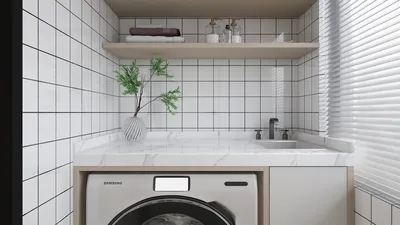
German interior design principles enhance compact living spaces by emphasizing functionality, streamlined layouts, built-in storage, and neutral color schemes. Rather than cluttering rooms with ornamental items, this style prioritizes purposeful furniture, smooth circulation, and integrated storage to minimize visual distractions.
When applied properly, even the smallest apartments can feel well-organized, serene, and surprisingly roomy.
Key Highlights
Overview
Throughout my ten years of experience as an interior designer, I've observed a consistent trend: many of the most practical small apartments adhere to design principles inspired by German interiors.
Unlike design styles that emphasize decoration, German interior design is rooted in logic. Each item serves a purpose, and every piece of furniture justifies its place. This mindset becomes especially impactful in smaller dwellings.
Apartment dwellers often face challenges such as cramped spaces, insufficient storage, and rooms that feel cluttered despite being tidy. Typically, the issue isn’t the square footage—it's how the space is planned.
One effective method to test efficient layouts before buying furniture is to use practical room planning tools tailored for compact apartments. These tools help homeowners visualize the flow and furniture proportions, revealing how the German-style design philosophy optimizes space.
In this article, I will explain the essential German design concepts that consistently make small apartments appear larger, calmer, and more livable.
save pin
Why German Design Excels in Small Apartments
Key Insight: German design treats space as an interconnected system rather than a mere backdrop for decoration, which is critical in small apartments.
In numerous projects, I've noticed the difference between a cramped and comfortable apartment largely depends on structural organization. German design promotes order, balance, and purposeful placement.
Instead of asking "What looks attractive here?" the primary question becomes:
This functional approach explains why German-style apartments often feel peaceful even with limited square footage.
A common misconception: Many owners try to resolve space issues by buying smaller furniture. However, poorly planned layouts cause more problems than oversized pieces. German design focuses on optimizing layout first, then selecting furniture accordingly.
Functional Furniture and Integrated Storage
Key Insight: Built-in storage represents the most effective strategy to maximize space in small apartments.
Standalone furniture takes up more visual and physical space compared to built-in alternatives. German interiors frequently incorporate wall-mounted cabinets, floor-to-ceiling wardrobes, and customizable shelving units.
These methods offer multiple benefits:
Common furniture tactics in German small apartments include:
German kitchens exemplify this belief. According to the German Kitchen Association (AMK), modular cabinetry is dominant in modern German homes because it enhances usability without sacrificing sleek design.
save pin
Minimalist Spatial Planning for Limited Areas
Key Insight: A minimalist arrangement reduces visual clutter and improves movement efficiency within small homes.
A principle I consistently adopt from German design is clear circulation. When pathways are unobstructed, the room instantly seems more spacious.
Successful minimalist spatial planning involves these steps:
Many homeowners realize layout issues only after furniture delivery. Testing floor plans upfront through visual tools designed for compact dwellings avoids costly mistakes.
Using Light and Neutral Colors to Enhance Space
Key Insight: Neutral color schemes are pivotal in German interiors to visually enlarge small spaces.
Color is among the simplest yet frequently misunderstood elements in small home design.
German style generally favors:
The goal is to achieve visual harmony. When walls, cabinetry, and large furniture share similar hues, the eye perceives the space as unified instead of segmented.
A subtle design caveat: Excessive contrast in tiny apartments causes spaces to feel disjointed. German interiors maintain low contrast to preserve smooth spatial transitions.
save pin
Efficient German Storage Innovations
Key Insight: The most effective storage solutions hide complexity beneath simple exterior surfaces.
Though German design often appears minimalist, concealed behind sleek fronts lies meticulously arranged storage.
Popular German storage methods include:
An often missed tactic is using varying storage depths. Instead of uniform cabinets throughout, German designers mix shallow shelves with deeper compartments.
This ensures frequently used items remain accessible while bulkier goods stay discreetly stored.
Summary
German interior design optimizes small apartments through structured floor plans, integrated storage, neutral tones, and intentional furniture choices. The outcome is a streamlined, functional environment where each component supports everyday living needs.
Practical Examples of Small Apartment Layouts
Key Insight: The effectiveness of German-inspired small-space design becomes clear when demonstrated through layout examples.
Here are three layout concepts I frequently recommend for compact living spaces:
For clients wishing to see their layouts in action, I suggest using photorealistic 3D apartment visualization tools. This process refines proportions and lighting prior to final decisions.
save pin
Final Thoughts
FAQ
Does German interior design suit small apartments? Yes. It emphasizes functional layouts, integrated storage, and minimal clutter, ideal for compact living.
What colors are favored? Neutral shades like white, gray, beige, and natural woods prevail since they enhance visual continuity and enlarge spaces.
Which furniture types work best? Multifunctional pieces such as storage beds, foldable tables, and modular shelves excel in tight homes.
How is floor space kept open? Primarily through built-in units including floor-to-ceiling wardrobes and wall-mounted storage solutions.
Does this design feel cold? No. Warm wood finishes, ambient lighting, and natural materials balance minimalism with coziness.
What is a common mistake? Overcrowding rooms with unnecessary furniture. German design reduces items while boosting utility.
How to start planning? Define distinct zones, ensure clear walking paths, and prioritize fitted storage options.
Is it good for studios? Absolutely. German interior design organizes different functions like living, sleeping, and storage efficiently in studio apartments.
References

Modern Solid Wood Metal Conference Table With Mesh Fabric Office Chairs 3D Model
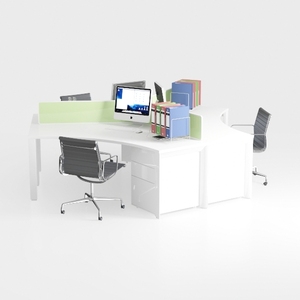
AODK Electric L-Shaped Standing Desk, 59 Inch
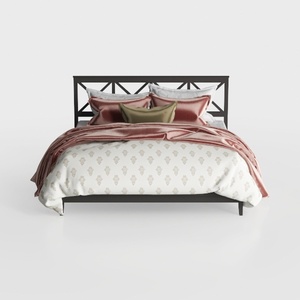
Modern Black Metal Frame Upholstered King Bed with Velvet Bedding 3D Model
Homestyler offers an easy-to-use online home design tool with impressive 3D renderings, inspiring interior projects, and helpful DIY video tutorials—making it simple and fun to create your dream space. Perfect for all skill levels!
今すぐ无料でデザイン
































