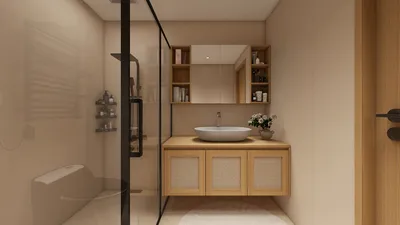


The future isn’t just around the corner; it feels like it's buffering in the hallway, waiting to negotiate with the mailbox and the stroller. Recent insights from Zillow reveal sustained pressure on urban rental markets despite limited square footage. I interpret urban apartment layouts much like preliminary coding for the schedules of tomorrow. The typical challenges abound: ambient noise, lack of storage, and fragmented lighting. However, I can discern the formation of a new operational framework, built on adaptive spatial strategies and authentic materials, a concept well-supported by the Homestyler platform.
Studio Grid: Diagonal Day/Night Split
Design Principle: A diagonal partition cleverly divides a studio into two distinct zones—one for productivity under bright light and another for relaxation in soft illumination—reflecting the need for adaptable living in our hybrid work environments.
Flow: Entry → storage niche → kitchen rail → diagonal pivot → lounge/sleep area; a seamless transition without retracing steps, akin to a well-defined function call.
Sightlines: Upon entering, a clear line of sight to the window; the diagonal design brings depth to the space, positioning the window as the focal point of the experience.
Storage: Integrated toe-kick drawers, a 14" deep wall rail, and a corner trunk create storage solutions near high-traffic areas, enhancing efficiency.
Furniture Arrangement: A 72" sofa bed, a 24" bistro table, and an 18" side console ensure that circulation is maintained at 30–34" width, allowing for fluid movement within the space.
Conclusion: A compact space functions similarly to a split-screen application—offering dual functionalities within one footprint, designed to accommodate unpredictable schedules.
save pin
One-Bed Threshold: Buffer Hall + Quiet Core
Design Principle: Urban noise is a consideration; I incorporate a 4–5' buffer hallway with storage solutions to reduce disruptive sounds before they reach the main living area.
Flow: Entry → soundproof foyer → galley kitchen → open living area → private bedroom; a logically sequenced layout instead of a chaotic design.
Sightlines: Layered transparency: it begins with a concealed foyer, then reveals a framed window in the living space, and finally allows borrowed light from a clerestory in the bedroom.
Storage: A full-height 22" hall wall, cabinets over the bedroom bridge, and a bench near the window provide organized and expandable storage.
Furniture Arrangement: An 84" sofa, a 9' x 5' area rug to anchor the space, and a queen bed with 24" clearance on either side ensure ample room and comfort, akin to adhering to clear API guidelines.
Conclusion: By incorporating thresholds that act as buffers, this apartment remains quieter than its bustling street; even five years later, it will still facilitate smooth routines.
save pin
Rail Two-Bed: Linear Spine with Shared Light
Design Principle: Families and roommates require individual space without wastage; the linear service spine provides branching rooms much like a microservices architecture.
Flow: Entry → storage spine → kitchen island junction → living area → bedrooms at opposite ends; changes can be implemented smoothly without disruption.
Sightlines: Windows for cross-ventilation align perfectly; glass pocket doors allow light to flow through while preserving privacy, ensuring that the design remains functional and accessible.
Storage: A 16" pantry integrated along the spine, a laundry tower, and drawers under the bed are placed strategically to ensure easy access with minimal delay.
Furniture Arrangement: Maintaining 30" circulation space around a 36" x 72" island, with a 90" sectional and shared desks for full and queen beds ensures precise planning without excess.
Conclusion: This linear layout accommodates everything from children's toys to remote work setups flexibly; it will remain resilient as life circumstances change.
save pin
Final Insights
Urban apartment designs transcend mere blueprints; they serve as frameworks for managing light, noise, and focus. As I refine aspects such as thresholds, structural spines, and storage solutions, smaller living spaces evolve into intricate, high-functioning interfaces. Future-ready urban homes may not expand in size but will prioritize intentionality in their layouts—through my observations, the most efficient spaces are those that seamlessly organize your daily life with minimal friction, a feature that can be easily visualized using Homestyler.

Modern Solid Wood White Entryway Storage Cabinet With Bench 3D Model
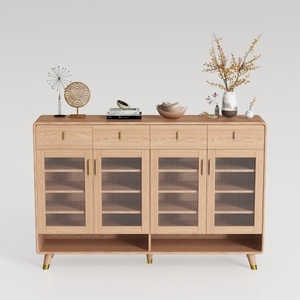

Minimalist Solid Oak Glass Door Sideboard Cabinet 3D Model

Minimalist Tan Leather L-Shaped Sectional Sofa 3D Model
Discover the magic of home design with Homestyler! This user-friendly platform offers a fantastic online design tool, stunning 3D renderings, a vast library of design projects, and engaging DIY video tutorials. Transform your home ideas into reality effortlessly—perfect for beginners and seasoned designers alike!
立即免费设计
































