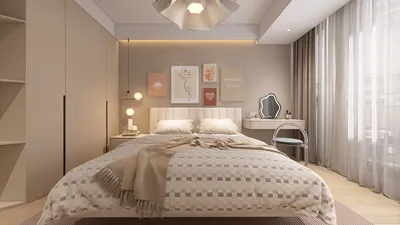


The future of living is advancing rapidly while current housing designs often struggle with issues such as inadequate storage, poor acoustics, and inefficient navigation. Recent surveys by NAHB highlight that buyers increasingly favor compact homes, opting for better flow rather than larger square footage. Within this context, the design of simple one-bedroom ground-level house plans appears to provide a blueprint for how we might inhabit time as much as space. My clients are acutely aware of these trends, and I incorporate this understanding into my designs using a toolkit grounded in spatial reasoning.
The layout of a one-bedroom unit on the ground floor offers a streamlined interface that minimizes the need for stairs, enhances daily routines, and allows for flexibility as life circumstances change.
Front-Entry Gallery Loop
Design Logic: A narrow gallery hall acts as a buffer against street noise, streamlining arrival activities before guiding you into the expansive living-kitchen area—ensuring optimal daily functionality at its core.
Flow: The pathway goes from the door to a drop zone, then to the kitchen pivot point, leading smoothly into the living area, branching off to the bedroom and concluding at the bathroom—freeing you from backtracking or blocked pathways.
Sightlines: The confined entryway opens up to a framed perspective of the living space, while the kitchen remains subtly visible; the sightline from the bedroom is designed for privacy, resembling a compact window.
Storage: A wall-length storage solution includes a coat nook, a pantry column, and shallow linen storage; this setup emphasizes compactness and ease of access without fragmentation.
Furniture Fit: A sofa measuring 84–96 inches aligns well with a 42-inch coffee table, while the dining table maintains a depth of 30 inches. The queen-sized bed, measuring 60 by 80 inches, is paired with 30-inch side aisles, ensuring precise dimensions that help reduce latency in movement.
Verdict: This looping design anticipates the needs of the upcoming five years, facilitating hybrid work, spontaneous hosting, and peaceful sleep, all while organizing routines harmoniously.
save pinOpen in 3D Planner Processing...
Court-Facing L-Plan
Design Logic: An L-shaped layout wraps around a compact courtyard, with natural light serving as the guiding principle, distributing elements of mood throughout different times of the day.
Flow: The pathway unfolds from the entry point into the living area, then pivots through the kitchen towards the courtyard exit, eventually leading to the bedroom wing and bath area; the outdoor space injects a layer of asynchronous flow.
Sightlines: The main axis directs the eye towards greenery, while secondary lines focus on functional surfaces; visual connections from the bedroom filter through foliage, keeping tranquility as the priority.
Storage: The corner of the L hosts extensive under-bench storage, while the bedroom includes a wall system 18 inches deep. A tall kitchen unit serves as a control center for appliances.
Furniture Fit: A corner sectional sofa of 100–110 inches fits seamlessly into the long arm of the L, while a drop-leaf dining table at 48 inches deploys only when required. The platform bed features integrated storage drawers for added utility.
Verdict: The L-shaped plan ensures adaptability for future living, allowing for peaceful mornings, productive afternoon meetings, and a smooth transition into evening relaxation without spatial disarray.
save pinOpen in 3D Planner Processing...
Split-Axis Quiet Wing
Design Logic: This layout designates a tranquil wing for the bedroom and bathroom, effectively separated from the lively kitchen and living spaces; the split-axis functions as a sound and sleep governance layer.
Flow: From the entry, the route takes you through the living core, into the kitchen bay, and pivots towards the quiet wing leading to the bathroom—guest areas remain distinct from private living activities.
Sightlines: Views from the living space extend wide to the garden, while the kitchen maintains a close connection to work surfaces; the narrow corridor in the wing compresses visual access, promoting a more restful experience.
Storage: The quiet wing should accommodate a 24-inch wardrobe along with overhead storage, and the kitchen features pull-out towers, with the living console designed to manage media and incoming mail.
Furniture Fit: Maintaining a consistent circulation width of 36 inches; the wing utilizes slim armchairs measuring 28 inches wide, while the bed is centered with clearances of 26-30 inches for nightstands set at 18 inches.
Verdict: As we transition into five years of increased virtual interactions, this split-axis design ensures a clean separation of work and rest, with vibrant activities centralized and recovery areas set in the quieter wing.
save pinOpen in 3D Planner Processing...
Final Takeaway
Simple one-bedroom ground-level house plans are far from basic; they represent precise frameworks designed for future living routines. Variations like compact starter home layouts highlight how flow, sightlines, and storage systems effectively minimize daily disruptions. The optimal design footprint prioritizes orchestration over mere size. Based on my experience, subtle spatial decisions fundamentally reshape how clients engage with their living spaces, aided by tools like Homestyler to visualize these transformations.

Minimalist Solid Oak Square Coffee Table 3D Model
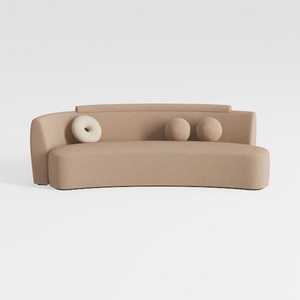

Yozma Curved Chenille Sectional Sofa Beige, Dual D
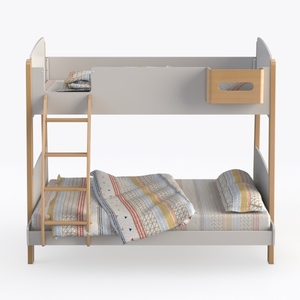
Modern Solid Wood And White Bunk Bed With Boho Bedding 3D Model
Discover the magic of home design with Homestyler! This user-friendly platform offers an intuitive online design tool, stunning 3D renderings, a variety of inspiring design projects, and helpful DIY video tutorials. Transform your vision into reality effortlessly—perfect for both beginners and seasoned designers!
立即免费设计
































