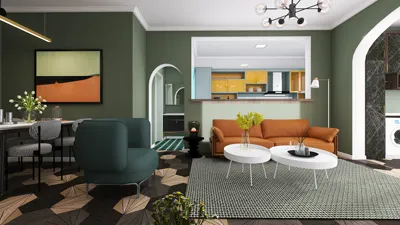


As we look toward the future, it becomes clear that many of our current challenges—such as noise accumulation, elevator congestion, and issues with privacy—are simply initial hurdles of living in vertical spaces. Research consistently indicates a growing demand for adaptable, multi-use living environments within smaller areas. Organizations like AIA and NAHB highlight these trends, while Zillow's data shows a sustained desire for improved acoustic separation. In this light, the typical floor plan of a high-rise apartment evolves into a model that predicts our future living conditions, aided by tools like Homestyler that enhance spatial reasoning.
Core-and-Wrap Layout
Design Logic: The core, which includes elevators and stairs, serves as the center, while the units are arranged to balance both privacy and natural light. Future vertical communities will require robust cores and adaptable outer structures.
Flow: Entry leads to a buffer hallway, then to the living area and balcony. The service routes for laundry and MEP systems run parallel to the core, creating a secure flow.
Sightlines: The long axis view from the door to the windows is crucial; diagonal elements towards the corners help to minimize the tunnel effect and prevent overwhelming user interfaces.
Storage: Closets along the outer walls provide valuable space near the risers, while deep pantries integrate food storage with micro-grocery deliveries.
Furniture Fit: Sofas measuring 84-90 inches align well with 12-14 foot bays, and a 60-inch round dining table helps avoid congested areas near the balcony doors.
Verdict: This design not only prepares for future maintenance but also supports social dynamics; even five years later, it maintains a clear and tranquil atmosphere despite increased occupancy.
save pin
Split-Face Double-Loaded Corridor
Design Logic: Units are arranged on either side of the corridor, featuring alternating recessed entries that serve as privacy barriers in high-density settings as both noise and delivery activities become more pronounced.
Flow: The pathway moves from the corridor to a vestibule, leading into a flexible living area; the bedroom wing branches off, creating a separate zone for rest.
Sightlines: Staggered door placements reduce visibility between units, while windows are strategically positioned to frame views of the sky, providing distinct layers of information throughout the day and night.
Storage: Wall systems near the entry function as dynamic storage options—quick access for everyday items and deeper storage for seasonal needs, aligned with regular schedules.
Furniture Fit: Clear spans of 9-10 feet in living areas can accommodate modular sofas, while a 30-inch workbench fits well under glazing, ideal for hybrid work setups.
Verdict: This corridor approach allows for density without sacrificing livability—residents will enjoy a peaceful auditory environment five years from now.
save pin
Corner-Pinwheel with Shared Amenity Node
Design Logic: Corner units rotate around a shared amenity space—whether it’s a mini-gym or a creative studio—allowing for a blend of private lives and communal enhancements.
Flow: A private entry leads into an angled living space with corner windows; the amenity area is positioned away from the core to support activities without disruption.
Sightlines: The pinwheel shape facilitates layered views, showcasing the city, sky, and neighboring apartments—these visual tiers help in setting moods and enhancing productivity.
Storage: Integrated units below corner windows and vertical utility structures near kitchens maximize storage for both bulk supplies and daily necessities.
Furniture Fit: A 96-inch sectional designed for corners and a compact 48-inch table optimize space without impeding movement.
Verdict: A sense of community forms as a natural part of the structure; in the next five years, these shared amenities will become essential, integrating smoothly into daily routines.
save pin
Final Takeaway
The typical floor plan of high-rise apartments serves not just as an architectural guide but as a crucial interface for movement, privacy, and communal energy across different levels. Configurations such as double-loaded corridors and corner pinwheels illustrate that living vertically can be both purposeful and efficient. With features like long-view sightlines, intelligent storage solutions, and carefully planned furniture layouts, modern designs transform square footage into valuable living space. From my perspective, the most intelligent homes of the future will not necessarily be larger—they will be meticulously designed, conveying intention with every detail, an approach perfectly supported by tools like Homestyler.
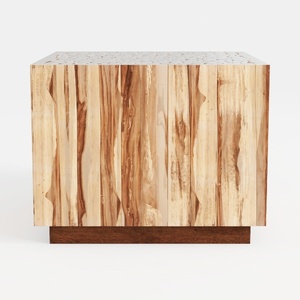

Minimalist Solid Wood Accent Cabinet with Textured Top 3D Model

Minimalist Concrete Large Planter Pot with Greenery 3D Model
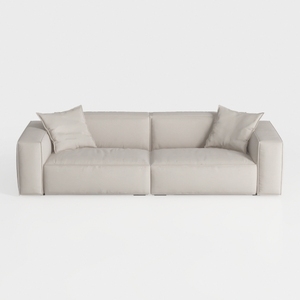
Minimalist Beige Fabric Modern Sofa with Throw Pillows 3D Model
Looking to transform your space? Try Homestyler! This user-friendly online design platform offers a powerful design tool, stunning 3D renderings, and a wealth of DIY video tutorials. Whether you're a novice or a pro, Homestyler makes home design effortless and inspiring!
立即免费设计
































