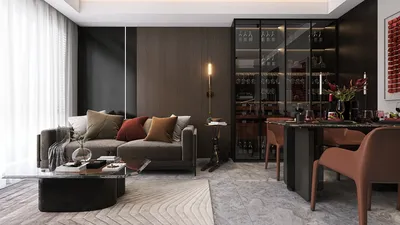


The lifestyle of the future is pushing forward, but many modern homes still struggle with issues like storage, privacy, and versatile workspaces. According to the NAHB, the number of households capable of remote work has surged, doubling their demand for designated work areas since 2020. This trend is evident in various 1500 sq ft floor plans. The way we design our spaces today influences whether our daily routines are harmonious or congested—therefore, I approach design as if I'm troubleshooting everyday life with an architectural toolkit, including Homestyler for optimal layouts.
I perceive 1500 square feet as an ample canvas for orchestrating openness, tranquil zones, and versatile functionality—creating a space reminiscent of a user interface where sightlines function like layered UI elements and movement flows as smoothly as well-structured code.
Scenario A: Split-Core Open Plan with Quiet Wing
Design Rationale: The central communal area, consisting of the kitchen, living, and dining spaces, serves as a shared hub, while a tranquil bedroom wing acts as a sound buffer—preparing for hybrid work environments and multi-generational dynamics.
Traffic Flow: From the entryway to a drop zone, through the kitchen island, into the living area, leading to a pocket hallway, and then to the bedrooms; a secondary loop connecting to the bath and laundry simplifies maintenance tasks.
Sightlines: A long axial view stretches from the entry to the terrace, with deliberate breaks in the pocket hall designed to maintain varying levels of privacy.
Storage Solutions: A perimeter pantry, an entry bench with integrated storage, and a hall wall system create organized capacity tailored to weekly routines and device charging needs.
Furniture Arrangement: A sectional sofa measuring 9-10 ft, a table of 72-84 inches, and an island accompanied by 24-inch stools; all dimensions respect the requirements for circulation clearances and task radii, which can be planned using Homestyler.
Conclusion: Five years ahead, this layout will form a resilient home base—open enough for gatherings while precisely designed to foster focus and relaxation.
save pinOpen in 3D Planner Processing...
Scenario B: Flex Spine with Convertible Studio
Design Rationale: A central spine serves as the structural backbone; a flexible front room functions as a studio, guest room, or Zoom space, adapting to changing income needs and creative work.
Traffic Flow: From the front porch to the flex room, through the spine corridor, to the kitchen node, and into the rear living space leading to the garden; a service branch connects to the bath and utilities.
Sightlines: A diagonal sightline from the flex area to the garden enhances spatial perception; frosted sliding doors control privacy much like adjustable UI visibility.
Storage Solutions: Floor-to-ceiling wardrobes in the flex room, under-stair cache, and a modular utility wall resemble a version-controlled system for organizing belongings.
Furniture Arrangement: A Murphy bed requiring 60 inches of clearance, mobile desk pods, and a 48-inch art table—each piece is design-driven to connect fluidly to power and light systems, similar to deploying an API.
Conclusion: This arrangement keeps opportunities for income and relaxation aligned, allowing the home to adapt swiftly to changing demands without losing its rhythm.
save pinOpen in 3D Planner Processing...
Scenario C: Courtyard Loop with Edge Rooms
Design Rationale: A compact courtyard acts as both the thermal and social core, with rooms arranged around the perimeter to create a loop that balances privacy and sunlight.
Traffic Flow: From the side entrance to the kitchen, flowing through the courtyard threshold into the living area and bedrooms; a maintenance path is discretely integrated along the exterior wall for utility access.
Sightlines: Framed vistas through glass toward the green core; strategically layered thresholds dictate how much the interface reveals at any moment.
Storage Solutions: Built-in cabinetry around the loop, an outdoor shed for hobby supplies, and ventilated linen towers for climate-stable storage options.
Furniture Arrangement: A compact sectional, a 60-inch round table, and low-profile seating in the courtyard ensure that pathways are unobstructed and daily practices are clearly defined.
Conclusion: As temperatures rise and work becomes more dispersed, the courtyard emerges as a daily organizing element—regulating comfort and clarifying daily patterns.
save pinOpen in 3D Planner Processing...
Final Thoughts
Different floor plans for 1500 sq ft can be structured similarly to software: core functions identified, with optional elements activated as life evolves. Design variations—from split-core configurations to courtyard loops—demonstrate that effective flow and well-considered sightlines outweigh mere square footage. In the upcoming decade, enduring requirements such as hybrid workspaces and adaptable guest accommodations will be central to residential design. From my perspective, the most intelligent homes of the future will not be larger, just more purposeful, with tools like Homestyler enhancing their design potential.
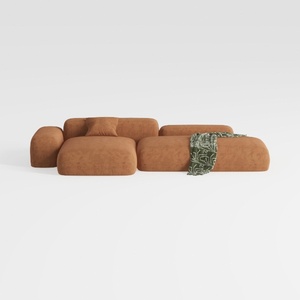
Minimalist Brown Fabric Modular Sectional Sofa 3D Model
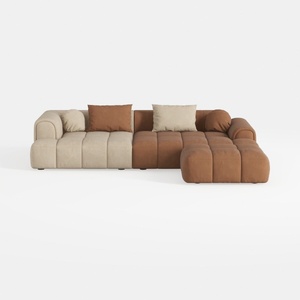
Modern Velvet Sectional Sofa, U Shape Minimalist M

Minimalist Solid Oak Fluted TV Stand with Black Metal Legs 3D Model
Homestyler is your go-to online home design platform that makes creativity accessible to everyone. With its user-friendly design tool, stunning 3D renderings, and a wealth of design projects and DIY video tutorials, transforming your space has never been easier. Start designing today!
立即免费设计
































