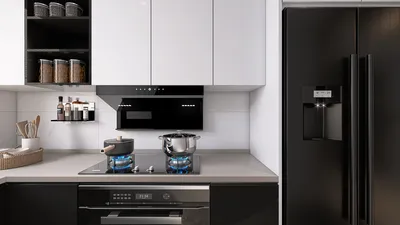


The living spaces of tomorrow are already pressing against the confines of today's designs, revealing friction through disrupted routines, noisy HVAC systems, and inefficient room layouts that consume precious time. With ongoing AIA data supporting the need for energy-efficient designs and adaptable spaces, envisioning a 1700 sq ft bungalow requires a thoughtful approach—a compact setting where every element is significant. Utilizing a spatial reasoning toolkit, I transform the floor plan of this 1700 sq ft bungalow into a living interface, embodying the essence of a future that feels imminent. Additionally, leveraging design tools like Homestyler allows us to visualize these concepts effectively.
Courtyard Core + Perimeter Rooms
Design Logic: An internal courtyard serves as a central cooling feature, providing crucial light and air circulation while rooms are organized as efficient modules. This passive design is essential in response to future climate challenges.
Flow: The route begins from the entry → foyer node → living/dining area → courtyard touchpoint → kitchen hub → sleeping zones, with a streamlined access to utilities.
Sightlines: Designed to guide the gaze from the foyer to the green space, and then diagonally towards the dining area; the visual hierarchy comprises sky, table, and hearth, effectively minimizing noise to the periphery.
Storage: Perimeter 'cache walls' featuring 18–24" depth; bench-height counters close to the courtyard allow for easy daily use; attic trusses offer seasonal storage solutions.
Furniture Fit: Space for an 84–96" sofa; a 36" path ensures smooth circulation; dining chairs fit within a 30" envelope; the courtyard perimeter ensures a 42" maintenance lane—these precise parameters reduce latency.
Verdict: This design not only ensures thermal comfort and enhances social interactions but also paves the way for the courtyard to transform into a dynamic, sensor-rich community space in the next five years.
save pin
Split Primary Suite + Flex Wing
Design Logic: The separation of the primary suite from the secondary rooms emulates a partitioning of services; the modern approach demands silence for multigenerational living and the adaptability of workspaces.
Flow: Pathway begins at the front entry → public areas (living/kitchen) → diverges to the flex wing (studio/guest area) → a private passage leads to the primary suite with an attached bath and micro-terrace.
Sightlines: Defined views from the living space towards the garden; the flex wing taps into street data, while the primary suite fosters introspection, creating a layered visual experience—public, semi-public, and private.
Storage: The flex wing offers vertical space with 9' wardrobes; a linen storage spine connects the baths, and under-bed drawers provide quick access for daily essentials.
Furniture Fit: The primary suite accommodates a 72" bed with a 30" clearance; the flex wing can adapt between a 60" desk and a sleeper sofa; the living area incorporates a 10' media wall with glare considerations.
Verdict: This split design efficiently accommodates the changing needs of families, allowing my clients to navigate work, rest, and guest arrangements seamlessly without conflict.
save pin
Open L-Plan Kitchen + Threshold Mudroom
Design Logic: The kitchen is the command center; an L-plan organizes preparation, cooking, and serving areas while a mudroom provides a transition zone to maintain cleanliness—future residences prioritize hygienic functionality.
Flow: The journey flows from the garage/carport → mudroom buffer → pantry entry → kitchen L → dining area → living section → patio exit; loops are designed to minimize disruptions.
Sightlines: Visibility from cooktop to dining table to patio grill creates a triad UI; peripheral views allow for monitoring children’s activities while glare is mitigated by overhangs.
Storage: A 24" deep pantry with labeled bins; toe-kick drawers serve as a micro-storage area; mudroom wall hooks and 16" cubbies enhance daily organizational flow.
Furniture Fit: The island is set at 36" height with 42" clearances; dining area accommodates 6 at 36" x 72"; patio furniture maintains 48" movement allowance; these specifications ensure fluid motion throughout the space.
Verdict: Over the next five years, this arrangement streamlines entry and organizes meals into reliable routines; the kitchen evolves into a hub with low latency for daily activities.
save pin
Final Takeaway
The design of a 1700 sq ft bungalow should function as a seamless interface, interpreting environmental, occupational, and familial signals into organized actions. Its various interpretations—like a compact single-story residence or a modern bungalow design—reinforce a critical insight: connectivity is more essential than sheer size. Future-focused priorities, such as a passive cooling courtyard and separate suite privacy, are integral to stabilizing patterns of modern living today. Based on my observations, the smartest homes of the future will not necessarily be larger but instead will prioritize intentionality in their design, often utilizing tools like Homestyler to enhance visualization during the planning stages.
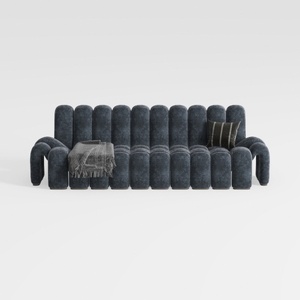

Modern Dark Blue Fabric Channel Tufted Oversized Sofa 3D Model
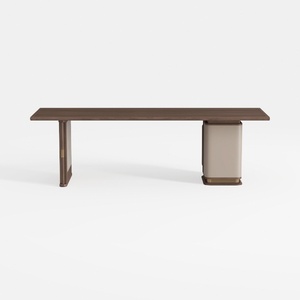
RJYYYDS Desk Game Table Home Office Desk Walnut De

TREATLIFE HOME Solid Wood Computer Desk with Drawe
Homestyler is the ultimate online home design platform for anyone looking to transform their space. With an easy-to-use design tool, stunning 3D renderings, a treasure trove of design projects, and informative DIY video tutorials, it's your go-to resource for bringing your creative visions to life!
立即免费设计
































