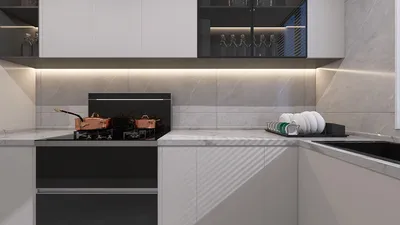


The landscape of modern living is evolving towards more streamlined designs, as today’s tenants struggle with disorganization, noise, and inefficient layouts. Zillow indicates that smaller living spaces featuring adaptable designs are increasingly appealing to renters, demonstrating a preference for functionality over mere size. I perceive these straightforward apartment floor plans as blueprints for a future lifestyle – both compact and programmable. They hint at what is to come.
spatial reasoning toolkit
Studio Design with Movable Partitions
Design Concept: A central utility core, comprising the kitchen and storage, serves as the foundation, while sliding panels redefine spaces from day to night—future living anticipates versatile rooms.
Layout: Entry → central core → living area → sleeping area; this efficient loop reduces unnecessary movement and clashes between tasks.
Sightlines: A direct line of sight from the entry to the window creates a seamless flow; panels adjust privacy like customizable user interfaces without sacrificing spatial depth.
Storage Solutions: Tall cabinets along the core function as storage caches—organized by usage frequency, including toe-kick drawers for quick access.
Furniture Specifications: A 72-inch sofa, 30-inch table, and a queen-size Murphy bed at 60x80; every dimension adheres to the space's movement and reach constraints.
Conclusion: This studio operates similarly to software updates—quiet during the day and cocoon-like at night—suitable for five years of hybrid working arrangements.
save pin
One-Bedroom Layout with Integrated Office
Design Concept: A linear layout positions the kitchen, bathroom, and bedroom like a data stream, allowing the living area to be filled with light and social interactions.
Layout: Entryway → drop-off area → kitchen segment → pocket office → living space → bedroom; tasks flow linearly without retracing.
Sightlines: A diagonal view from the kitchen island to the balcony enhances spatial perception; the pocket office remains unobtrusive, resembling a minimized window.
Storage Solutions: Hallway closets offer sequential storage: for daily, weekly, and seasonal items; the laundry unit is conveniently placed mid-rail for quick access.
Furniture Specifications: An 84-inch media wall, 36-inch kitchen island, and a 9x12 rug grid; the bedroom accommodates a queen bed and 24-inch nightstands without overcrowding.
Conclusion: This design transforms daily routines into an organized process—work, cooking, relaxation—free from interruptions, adaptable for modern technology and evolving schedules.
save pin
Split-Living Micro Two-Zone Design
Design Concept: A compact design segregates living spaces into social and restful areas, catering to diverse daily activities and asynchronous living.
Layout: Entry → social zone (kitchen/living) | soft divider → retreat zone (sleep/meditate); parallel functions operate without conflict.
Sightlines: The social zone maintains an expansive view toward the windows; the retreat zone is positioned away from direct view to reduce distractions, akin to a muted panel.
Storage Solutions: Cabinets above doors, under-bed drawers, and a shallow pantry stack—these small storage units are arranged for quick access with minimal search time.
Furniture Specifications: A 60-inch round table that transforms into a workspace; a 2-seat loveseat, armless chairs, and a low-profile bed—each piece respects spatial clearance guidelines.
Conclusion: These two distinct zones function like dual-core processing units: one geared towards active engagement, and the other designed for relaxation—robust enough to meet future living demands.
save pin
Final Insights
An apartment layout is not merely minimalist; it represents an intentional approach to managing daily activities. With compact designs, dedicated micro-office spaces, and optimized storage solutions, the living experience expands in clarity rather than size. In the coming decade, the focus will shift towards functionality over sheer square footage in apartment design, emphasizing efficiency in unit planning. From my perspective, the most advanced homes of the future won’t be larger—they will simply be more purposeful, featuring tools like Homestyler to facilitate thoughtful design.


Homestyler is your go-to online home design platform! With its user-friendly design tool, stunning 3D renderings, and a plethora of DIY video tutorials, turning your design dreams into reality is a breeze. Perfect for all skill levels, ignite your creativity today!
Design jetzt kostenlos
































