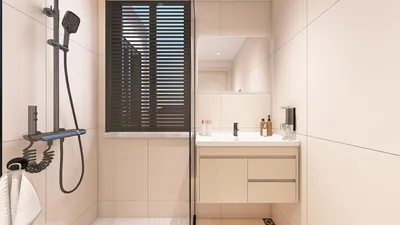


Envisioning future living spaces involves distilling complexity into clear, functional designs, as contemporary homes often let time slip away amidst chaotic layouts and distracting areas. My design philosophy anticipates the near future, where flexible, multifunctional spaces are highly sought after in residential projects, as highlighted by the AIA. I approach floor plans as sophisticated operating systems, treating each line as an enabling element. Utilizing a spatial reasoning toolkit, I can adjust walls akin to bandwidth modulation. The overarching principle is straightforward: simplicity in design does not equate to a lack of functionality; rather, it entails more efficient protocols.
One-Room Spine: Studio as System Bus
Design Logic: A linear axis separates living and sleeping areas, fostering a plan that remains easy to navigate—contemporary routines favor fewer transitions.
Flow: From entry to utility zone to kitchen rail, then to lounge and sleep nook; this streamlined path requires no retracing, similar to an efficient algorithm.
Sightlines: Upon entry, a sprawling, low horizon is set; the kitchen’s mass discreetly conceals the sleeping area, presenting a serene interface free from excessive notifications.
Storage: Full-height wall bays and under-platform drawers serve as quick-access caches, positioned conveniently along the main traffic route.
Furniture Fit: With a sofa measuring 84–90 inches, a 36-inch dining bench, and a 24-inch deep wardrobe, these configurations avoid visual clutter and delays.
Verdict: This studio effortlessly transitions between day and night modes; even five years down the line, its design communicates minimalism with maximum utility.
save pin
Split Core: One-Bed Pivot with Pocket Rooms
Design Logic: A centralized service core allows activities to rotate around it, integrating kitchen, bathroom, and laundry into a compact processing unit.
Flow: From the entry to the pivot hub and then through the living loop to the bedroom; the circulation closely embraces the core, ensuring efficient task queuing.
Sightlines: Diagonal perspectives unfold around the core, revealing layers much like user interface tabs; privacy is ensured through geometry rather than just doors.
Storage: Walls thickened by the core incorporate pantry, linen, and audiovisual niches—well-organized caches that are easily accessible.
Furniture Fit: Dining table depth at 30 inches, a 12-inch book ledge, and a 9–10 foot sofa wall; these specifications foster behavioral clarity.
Verdict: The core becomes a repository of routine memories; as hybrid workweeks evolve, this layout adeptly accommodates changes without need for redesign.
save pin
Rail and Pocket: Two-Zone Minimal for Small Families
Design Logic: Parallel service and living rails maintain clarity between quiet and active areas, facilitating smooth transitions.
Flow: From the entry node to the mudroom, then onto the kitchen rail and living area; bedrooms branch off like lightweight threads from the main rail.
Sightlines: A long view to window anchors, with cross glimpses artfully curated by custom millwork to reduce cognitive strain.
Storage: Tall units mounted on the rails, under-bench bins, and bed-lift compartments create a multi-layered storage solution, combining quick and cold storage options.
Furniture Fit: Maintaining 36-inch circulation pathways, ensuring 40-inch clearance at dining areas, and an 18-inch deep media shelf; stringent guidelines prevent overlap.
Verdict: Currently tranquil, the space remains flexible for future needs; even five years later, modular components can be updated without disturbing the fundamental design.
save pin
## Final Takeaway
A thoughtfully designed floor plan is not characterized by emptiness but by clear protocols that adapt to future lifestyles. Variants such as compact one-bedroom configurations and minimal studio designs demonstrate that clarity is more beneficial than mere square footage. My experiences have shown that enduring homes operate with flow, storage, and furniture that function as an integrated interface. I continue to design with the mindset that tomorrow’s innovations are already within our reach, and tools like Homestyler play a vital role in this vision.
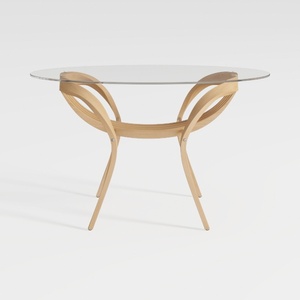

33 in. Natural Medium Round Glass Coffee Table
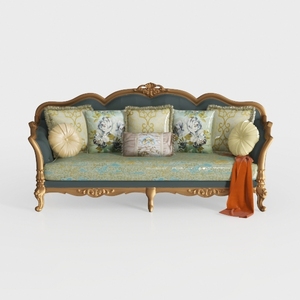
Vintage French Gold Trim Fabric Floral Upholstered Sofa 3D Model
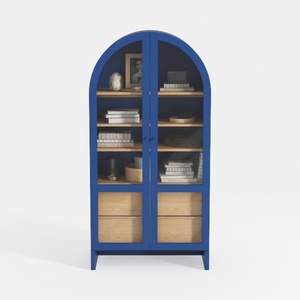
Arched Kitchen Pantry Cabinet with Glass Doors
Homestyler is the ultimate online home design platform for anyone looking to revamp their space. With its user-friendly design tool, stunning 3D renderings, a plethora of design projects, and insightful DIY video tutorials, turning your vision into reality has never been easier!
立即免费设计
































