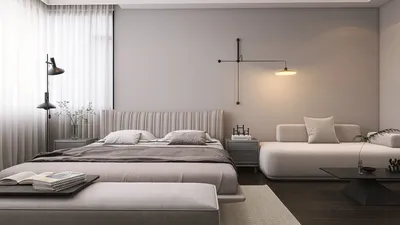


The concept of future living is evolving, as families today deal with the balance of noise, privacy, and storage challenges. Recent data from AIA reveals that homeowners are increasingly favoring adaptable layouts over the sheer size of their living spaces. This trend is clearly illustrated through the spatial reasoning toolkit approach, particularly in the three-bedroom house floor plans my clients frequently request. The signals of the future are becoming apparent, and I can already discern their implications.
Split-Core Courtyard Design
Design Concept: The public and private areas are delineated around a narrow courtyard; this space serves as a thermal and social barrier, perfectly catering to the needs of a hybrid work-life model.
Flow: The movement from the entryway to the great room, then pivoting to the courtyard and finally to the bedroom wing, creates a sequence that resembles a streamlined operational code, devoid of interruptions.
Sightlines: The layered perspective stretches from the foyer to the green void and into the bedrooms; the user interface layers diminish noise while maximizing natural light as essential information.
Storage: The perimeter millwork functions as a cache; installations from the bench to the ceiling near the entry and dining areas optimize daily traffic flow.
Furniture Arrangement: The design accommodates a tight API where circulation is 36 inches, dining clearance is 30 inches, and bed envelopes offer 60 inches, all for future adaptability.
Conclusion: This tranquil split-core layout promises durability as families transition between hosting guests and focusing on personal tasks in the coming five years.
save pin
Linear Bar with Flexible Node Design
Design Concept: A single-sided bar design effectively organizes the kitchen, living area, and three bedrooms; a flex room serves as the switch point for either work or guests.
Flow: Transitioning from the garage drop zone to the kitchen hub, then to the living area, followed by the flex node and bedrooms creates a left-to-right script that minimizes disruptions.
Sightlines: The elongated axial view provides clear direction; privacy layers become effective past the flex node, similar to dimming effects in a heads-up display.
Storage: Facilities such as lockers in the drop zone, pantry walls, and paired bed-closets enhance storage efficiency by placing items according to usage frequency, reducing morning delays.
Furniture Arrangement: A low-profile sectional, a 36-inch working aisle for the island, and queen-sized beds flanked by 24 to 30 inches ensure that the layout is future-proofed for reconfiguration.
Conclusion: This efficient linear layout adapts to multi-functional days without expanding the spatial footprint.
save pin
Central Hearth with Circular Rooms Design
Design Concept: A central hearth and kitchen node ground the surrounding rooms in a circular arrangement; this design maintains a high level of community interaction while allowing optional privacy.
Flow: Moving from the entry to the hearth node, then through the ring corridor to the bedrooms, and onto the outdoor area, this circular path eliminates dead ends and enhances daily routines.
Sightlines: Radial sightlines provide instant situational awareness, connecting the cooktop to the play area and garden—key information is always easily accessible.
Storage: Built-in storage solutions positioned at crucial nodal points; linen towers, corner pantries, and under-bench caches keep the environment organized even under pressure.
Furniture Arrangement: Features like round tables, modular sofas, and adaptable bed sizes align with the circular pathways, keeping the space polished and orderly.
Conclusion: For families that enjoy both bustling gatherings and quiet moments, this ring design functions as resilient infrastructure, adapting seamlessly to varying daily needs.
save pin
Final Insights
Three-bedroom house floor plans are increasingly becoming interface-focused, where the flow of movement and storage design outweighs the importance of overall square footage. Across these designs—bar, ring, and split-core—the most effective layouts treat privacy, storage, and sightlines as programmable elements. From my perspective, the households of tomorrow won’t necessarily be larger but will certainly be more deliberate in their arrangement, reflecting how minor spatial choices can profoundly transform the way people live, all of which can be further explored using tools like Homestyler.

Minimalist Tan Leather L-Shaped Sectional Sofa 3D Model
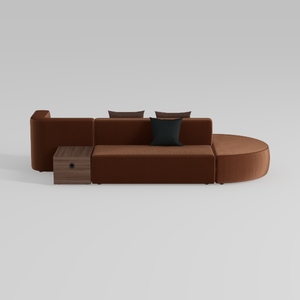

Modern Fabric L shaped Sectional Sofa with Side Nightstand 3D Model

Modern Minimalist Solid Wood Metal Console Table 3D Model
Discover the ease of home design with Homestyler. This innovative online platform offers an intuitive design tool, stunning 3D renderings, a wealth of inspiring design projects, and comprehensive DIY video tutorials. Transform your space effortlessly and unleash your creativity today!
立即免费设计
































