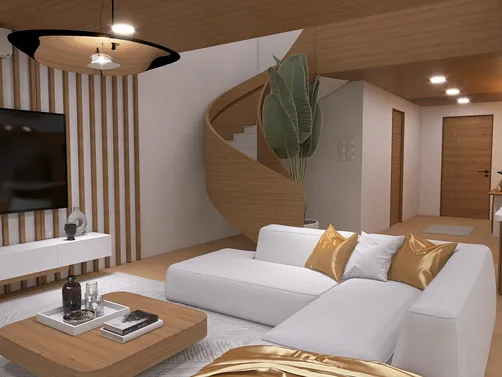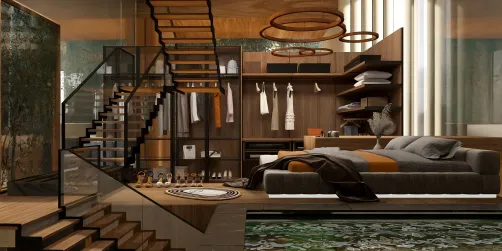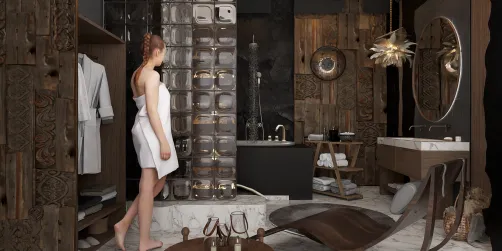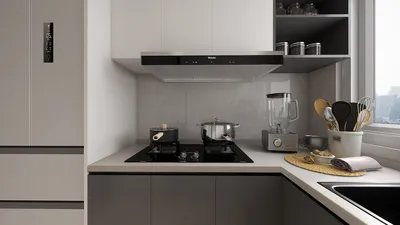


I have always appreciated the striking contrast between calm neutrals and vibrant accents. The combination of grey and coral strikes a perfect balance: a stable foundation paired with a lively hue that enhances both daylight and evening settings. In living spaces, this pairing can be sophisticated, whimsical, or subtly luxurious, depending on the saturation, texture, and layout.
Establish the Color Scheme: Harmonizing Greys and Brave Corals
Creating a successful grey-and-coral palette starts with the right balance. Research from Steelcase indicates that color and quality of light can significantly affect mood and perceived productivity, with well-placed accent colors enhancing engagement in shared areas. The WELL v2’s Light concept focuses on supporting circadian cycles with adequate illuminance and glare management—advice that seamlessly applies to residential living rooms, where ambient, task, and accent lighting contribute to comfort. I often suggest a starting ratio of 70/20/10: around 70% gentle greys (walls, main upholstery), 20% coral accents (such as cushions, artwork, or a standout chair), and 10% additional tones (like brass, soft white, or light teal) to connect warm and cool shades.
Research on color psychology reveals that warm, inviting hues—like coral—can boost feelings of friendliness and positivity, whereas cool greys offer visual steadiness. According to an overview on color psychology by Verywell Mind, shades of red and orange often evoke energy and warmth; when softened to a coral tone, they present a contemporary feel rather than being overly aggressive. It is advisable to maintain coral finishes in matte or soft textures to minimize glare, and to combine them with mid-range greys (L* 45–65) for optimal light reflection in typical living room lighting conditions (about 200–300 lux for ambient and 500–700 lux for reading).
Designing Layouts for Everyday Living
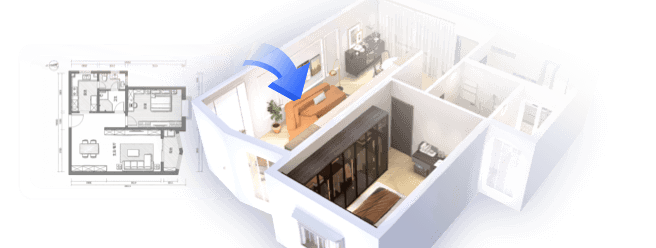
Effective planning ensures the color scheme feels deliberate. I recommend centering seating arrangements around a focal point—like a fireplace, media center, or large windows—allowing coral accents to guide the viewer’s gaze. If you're experimenting with arrangements, utilizing a room design tool like Homestyler can help visualize furniture placement, sightlines, and traffic flow before making any purchases.
For optimal conversational flow, maintain a distance of 7 to 9 feet between opposite seating or between a sofa and a pair of chairs, ensuring coffee tables are within 16-18 inches of reach. Clear primary pathways should be at least 36–42 inches wide. An angled coral chair or ottoman invites use without overwhelming the space. If your room is elongated, consider dividing it into two distinct areas: a media corner in serene greys, and a reading nook punctuated with coral accessories and a warm brass floor lamp.
Illuminating the Space: Achieving Warmth Without Glare
Lighting serves as the enhancer for this palette. Aim for a combination of various light sources: ambient (using pendants or recessed lights), task (floor or table lamps for reading), and accent (picture lighting or LED shelves). The Illuminating Engineering Society suggests maintaining ambient lighting around 200–300 lux for general use and increasing to over 500 lux for reading tasks. Warm-white light sources (2700–3000K) complement coral’s warmth, while neutral white (3500–4000K) keeps greys looking fresh. It's also important to ensure a consistent Color Rendering Index (CRI 90+) to make coral fabrics appear true while preventing greys from taking on green or blue tones.
Employ dimmers to tailor the ambiance from bright daylight to the softer tones of evening. Choose lampshades or indirect lighting solutions to avoid direct glare, particularly on satin or metallic coral furnishings. For south-facing rooms that receive strong natural light, sheer fabrics can help diffuse intensity while allowing coral's vibrancy to shine through.
Fabrics and Materials: Creating Textural Balance
Grey benefits from added texture—consider wool-blend rugs, boucle or chenille upholstery, and matte-painted millwork. Coral shines in materials such as velvet, linen blends, and textured cotton that softens light. Incorporate wood tones that lean neutral-to-warm (white oak, walnut) and subtle brass or champagne nickel fixtures. For a modern twist, introduce a hint of black with sleek profiles—like lamp bases or picture frames—to outline shapes without overwhelming the design.
Sustainability aligns beautifully with this palette. Opt for low-VOC paints for your grey walls, durable stain-resistant upholstery for multifunctional spaces, and FSC-certified wood for furniture. A coral accent chair upholstered in performance fabric not only enlivens the space but is also practical for daily use.
Understanding Color Psychology: Intent, Emotion, and Movement
Coral has the power to enliven edges and encourage social interactions when positioned in spots where individuals tend to gather—such as near an entryway, beside a window seat, or close to a coffee table. In contrast, grey offers visual relief on larger surfaces, creating a calm and soothing backdrop that minimizes visual clutter. For a tranquil evening atmosphere, allow coral to emerge in smaller details (like throws, artworks, or floral arrangements) while enhancing the softness of grey with muted tones. If you're hosting on weekends, swap in brighter coral cushions and increase lamp brightness to about 3000K, promoting a warm and inviting vibe.
Acoustic Appeal: Layers that Absorb Sound
Living areas greatly benefit from sound-dampening elements that enhance conversation quality. Consider plush rugs, layered curtains, and upholstered furniture to mitigate echoes. If you have hard surfaces—like stone fireplaces or expansive windows—balance these with fabric panels or acoustic artwork. Coral textiles not only serve a decorative purpose but also contribute to sound absorption, particularly in larger rooms that might otherwise feel echoey.
Styling Tips: Introduce Coral Gradually
• A standout piece: A bold coral chair or bench acts as the focal point, complemented by two to three smaller coral accents (such as cushions, vases, or artwork).
• Art coordination: Choose abstract art that incorporates coral to create cohesion without being overly themed; balance it with monochromatic lines or black-and-white photographs against grey walls.
• Seasonal updates: Maintain a grey foundation and adjust coral intensities throughout the year—consider softer peach-coral in spring, richer coral during summer, and terracotta-coral in autumn.
• Balanced metals: Brass complements coral while brushed nickel cools grey tones. Choose one to lead and use the other sparingly to prevent clutter in your design.
Designing for Various Space Scenarios: Small, Medium, and Open-Plan
For small living rooms: Opt for a compact grey sofa (70-78 inches) combined with a round coral ottoman, and pair it with nesting side tables. Position the rug beneath the front legs of the sofa to create an illusion of space. If the room is restricted, experiment with layouts using a design visualization tool like Homestyler to ensure fluid movement.
For medium spaces: A mid-grey sectional serves as the room's anchor; balance the layout with a coral accent chair positioned diagonally. A soft grey patterned rug can harmonize the area, while wall-mounted shelves with coral backing subtly repeat the color.
For open-plan settings: Use a larger 9x12 rug to define the living space, placing coral accents toward the center to draw the eye without dispersing focus. Install recessed ambient lighting, complemented by two dimmable floor lamps (2700-3000K) to provide warmth where guests gather. Ground the area with grey millwork or a media wall for added stability.
Pairing Grey and Coral: Complementary Colors Surrounding Them
To ensure the palette remains harmonious, introduce intermediary hues. Warm whites, soft blushes, muted teals, delicate sages, or natural wood can ease transitions. Use black sparingly and strategically to avoid overpowering coral’s vibrancy.
Common Pitfalls and Quick Fixes
• Excessive coral: Limit coral usage to about 20% of visible surfaces to maintain balance.
• Dull greys: Implement textured fabrics or subtle wall washes to add depth and dimension.
• Inconsistent lamp colors: Ensure a cohesive color temperature across all lighting to avoid a muddled appearance.
• Neglecting circulation: Keep pathways clear; reassess a layout using a planning tool before buying bulky furniture pieces.
Frequently Asked Questions
Q1: What grey hues are best paired with coral?
A mid-grey with warm undertones (avoiding a greenish tint) pairs beautifully. Aim for a light reflectance value between 45 and 65 to facilitate well-balanced lighting throughout the day and night.
Q2: How much coral should I incorporate?
Begin with the 70/20/10 guideline, incorporating approximately 20% coral accents. If the area appears lackluster, consider increasing this to 25% through textiles or a prominent accent chair.
Q3: Which lighting temperatures suit grey and coral?
Use ambient lighting at 2700-3000K for warmth, task lighting at 3000-3500K for clarity, and ensure a CRI of 90 or higher to maintain the richness of coral and the neutrality of grey.
Q4: Is it possible to mix metals within this color scheme?
Certainly! Start with brass to enhance coral’s warmth, or opt for brushed nickel to complement the grey. Keep one metal primary while allowing the other to appear as small accents to avoid visual clutter.
Q5: Is this combination suitable for compact areas?
Absolutely! Use lighter greys for walls, select a streamlined sofa, and incorporate coral through an ottoman or decorative pillows. Use a design tool like Homestyler to visualize movement and keep spaces functional.
Q6: What kind of rugs work best with this palette?
Select textured grey rugs (such as wool blends with low pile) to anchor the room, while a small coral runner or layered kilim can inject character without being overwhelming.
Q7: How can glare on coral accessories be minimized?
Choose matte or soft-textured coral fabrics and implement shaded or indirect lighting solutions. Adhere to IES guidelines to keep ambient lighting around 200–300 lux, boosting task lighting only as needed.
Q8: What styles of art complement grey and coral colors?
Art featuring abstract forms accented with coral tones, combined with graphite sketches and black-and-white photography against grey walls, create a balanced visual appeal. Use thin frames in black or brass to maintain a refined appearance.
Q9: Can coral be incorporated with family-friendly materials?
Absolutely! Performance textiles in coral are stain-resistant and durable; pair these with resilient grey upholstery and low-VOC finishes to ensure longevity.
Q10: How do I change decor with the seasons?
Switch out decorative elements like pillows and throws according to the season: bright peach-coral for spring, bold coral for summer, and earthy terracotta-coral for fall, while maintaining constant greys for a cohesive look.
Q11: What's the ideal positioning for a coral accent chair?
Position it facing the main seating area, maintaining a distance of 7-9 feet for good conversation flow. Ensure it is visible from the entrance, while avoiding obstruction of pathways.
Q12: Can coral harmonize with natural wood elements?
Yes, provided you select compatible wood species. White oak and walnut pair beautifully with coral and cool greys, while very red woods may clash; use them sparingly.
Originally incubated at Autodesk, Homestyler has grown into one of the most widely adopted home design platforms in the world, now trusted by over 20+ million registered users (platform data, 2026). Whether you're a homeowner exploring ideas or a professional designer delivering client-ready renders, Homestyler brings industry-leading 3D technology to your fingertips — no experience required.


Minimalist Fabric Large Sectional Sofa with Decorative Throw Pillows 3D Model

Minimalist Sage Green Fabric L Shaped Sectional Sofa 3D Model

Minimalist Fabric L Shaped Sectional Sofa with Decorative Throw Pillows 3D Model
Homestyler is your go-to online home design platform, perfect for anyone looking to create stunning interiors effortlessly. With its user-friendly design tool, realistic 3D renderings, a wealth of design projects, and helpful video tutorials, you'll be inspired to turn your visions into reality in no time!
Design Now for FREE