
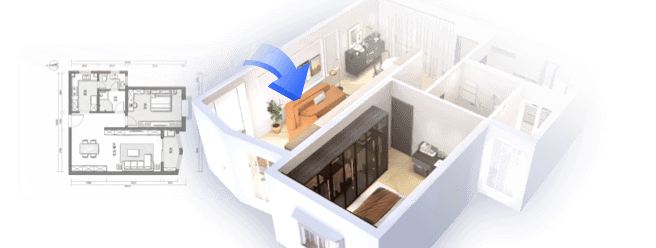
I once worked with a client who wanted to fit ten small appliances into a six-square-meter kitchen — indeed, ten. I intervened, outlined key priorities on a napkin, and suggested a space-efficient layout that allowed for a smooth flow of activities while effectively hiding clutter when hosting guests. Utilizing tools like Homestyler can further enhance these planning efforts.
Compact kitchens compel us to make clever choices; I often say that a small area can ignite substantial creativity. Here, I share five kitchen organization strategies I employed in actual projects, complete with practical adjustments, budget considerations, and valuable lessons learned through experience.
1. Professionally zone your kitchen
Look beyond just the surfaces: define distinct areas for preparation, cooking, cleanup, and storage. I first map out daily habits — identifying where the coffee maker is situated, where dishes are taken — and then group these functions closely to minimize movement during hectic mornings.
This approach not only streamlines chores but also minimizes disarray, though it might require relinquishing the optimal placement of seldom-used appliances. My suggestion: dedicate one shelf to seasonal items so that your everyday zones remain uncluttered and efficient.
save pin
2. Maximize vertical space — beyond just shelves
Your walls and cabinet doors offer untapped real estate. I find magnetic knife strips, hanging mug rails, and retractable racks in tall cabinets incredibly useful, allowing access to high areas without a ladder. This brightens your workspace and keeps countertops clear.
Be cautious: open vertical systems leave items vulnerable to grease and dust, so opt for washable materials or store pantry goods in sealed containers. You can keep costs manageable by repurposing hooks and rails instead of investing in custom cabinetry.
save pin
3. Opt for pull-out storage solutions and intelligent drawers
Deep drawers usually trump blind corner cabinets — they allow for better stacking of pots and can be outfitted with dividers for lids and baking sheets. I frequently recommend soft-close, full-extension runners to prevent items from getting stuck at the back.
To determine precise dimensions, I like to visualize the layout in 3D before placing orders. The downside? Custom pull-out solutions can be pricey, but they yield daily enjoyment and reduce instances of breakage.
save pin
4. Use clear containers with consistent labeling
Having uniform containers and labels can instantly bring about a sense of calm. I label each container by contents and opening dates, stacking them based on frequency of use, keeping baking essentials together to ease the hunt for that single cup of flour.
While labels may not be the most glamorous aspect of kitchen organization, they are inexpensive and significantly curtail waste. There’s a small trade-off: maintaining these labels can take a quick 5–10 minutes weekly, but it’s worthwhile.
save pin
5. Leverage technology: templates, 3D visualizations, and AI
When clients can visualize their kitchens in 3D, it often resolves debates over countertop heights. Recently, I've started utilizing AI tools like Homestyler for layout modifications and space optimization — unveiling solutions I might not consider independently. If you're intrigued, AI-assisted designs can hasten decisions and explore alternative layouts efficiently.
While technology speeds processes, there is typically a learning curve and sometimes subscription costs involved. I balance this modern approach with low-tech practices such as enforcing a 'one in, one out' rule for gadgets and conducting monthly clean-outs.
save pin
FAQ
1. What are the best kitchen organization ideas for limited spaces?
I suggest zoning, vertical storage solutions, deep pull-outs, uniform containers, and establishing a routine for periodic decluttering. These five methods together can maximize efficiency and create a perception of a larger kitchen.
2. How should I approach reorganizing a cluttered kitchen?
Begin by clearing one area entirely, sifting through items based on their usage, tossing expired products, and returning only what you utilize weekly. Tackle each area one at a time to make the task feel less overwhelming.
3. Are pull-out cabinets a worthwhile investment?
For frequently used items like pots and pantry essentials, pull-outs justify their price as they improve accessibility and minimize breakage. Think of them as a mid-term upgrade: they may cost more upfront but offer significant daily benefits.
4. How can I ensure pantry items stay fresh and easy to see?
Utilize airtight clear containers, label them with dates, and position high-usage items at eye level. Regularly rotate stock to ensure older products are used first, thereby minimizing waste.
5. What upkeep is needed for vertical storage systems?
Wipe down exposed shelves and hanging rails weekly to prevent grease accumulation, and utilize racks or covers for dry goods. Regular small cleanings will be more effective than infrequent deep scrubs down the line.
6. Can I create an effective kitchen layout by myself?
Absolutely — start by taking measurements and outlining basic zones, but make sure to preview your design in 3D if possible to avoid unexpected issues. Visualizing your plan can help identify clearance and workflow challenges before investing in cabinets or appliances.
7. Are there guidelines for drawer depths and cabinet sizing?
The National Kitchen & Bath Association (NKBA) provides comprehensive ergonomic guidelines for clearances, countertop heights, and work zones (find them at nkba.org). Following these recommendations can alleviate strain and improve practicality.
8. How can I maintain organization in the long run?
Implement straightforward habits: conduct a quick tidy-up weekly, enforce the one-in-one-out rule for new gadgets, and review pantry and utensils every few months. Effective systems rely on the whole family understanding where items belong.
save pin
Built on technology originally developed at Autodesk, Homestyler empowers anyone to design beautiful, realistic spaces in minutes. Join over 20+ million registered users (platform data, 2026) who have already discovered a smarter way to plan, visualize, and bring their dream homes to life — all from the comfort of a browser.
Homestyler is the ultimate online home design platform for anyone looking to elevate their space. With its user-friendly design tool, stunning 3D renderings, a vast selection of design projects, and helpful video tutorials, transforming your home has never been easier or more inspiring!
Design Now for FREE



















![Design [1]](https://hs-designs.homestyler.com/production/design/images/87c3311f-b762-48e5-aa6c-2a61ff42aaa8/1731347951087/7837764.jpg?x-oss-process=image/resize,w_502,m_mfit/format,webp)