
In recent years, leather sofas have gained significant popularity in living room design trends. As a professional with over a decade of experience in home redesign, I’ve observed that smaller spaces often evoke the most innovative living room concepts. Here, I will present my 10 preferred living room ideas featuring leather couches, inspired by my real-world projects and expert recommendations, aimed at transforming any living space into a stylish, functional, and welcoming area.
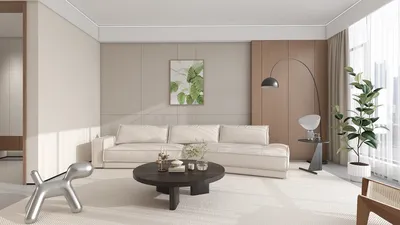
1. Minimalist Leather Couch Styling
Insight: I once revamped a 28m² studio where the client’s aged leather sofa became the focal point after a minimalist update. By employing a simple monochromatic color scheme and decluttered decor, the room felt significantly more spacious.
Advantages: Minimalist styling around a leather sofa highlights clean lines and enhances the visual space in a living room, which is a crucial design principle for smaller areas, according to Apartment Therapy.
Disadvantages: A minimal aesthetic can appear too simplistic unless some texture or accent pieces are introduced.
Advice: Combine neutral walls with a black or tan leather sofa; it’s a classic look that is cost-effective compared to complete remodelings.
2. Mixing Textures with Leather
Insight: One client owned a vintage brown leather sofa but desired a softer, more inviting atmosphere. We layered it with chunky knit throws, linen pillows, and a jute rug—resulting in instant warmth.
Advantages: Merging leather with textiles, wood, and rugs creates a harmonious balance, softening leather’s cool feel, and produces a rich, layered living room design.
Disadvantages: Excessive textures can lead to a visually disorganized space if not curated with care.
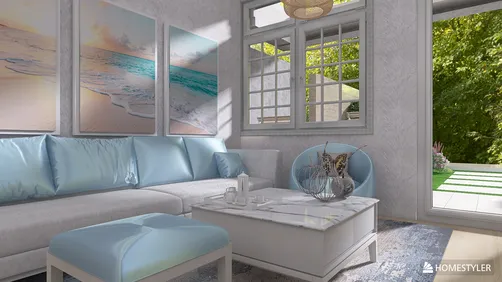
Example: This technique excels in open-plan apartments where subtle boundaries need to be established through texture.
3. Statement Wall Behind the Sofa
Insight: In a downtown loft, I painted a dark navy wall behind a caramel leather sectional and showcased oversized black-and-white artwork, which instantly enhanced the living area.
Advantages: A feature wall adds depth and elevates the leather couch as the focal point; bold contrasting colors work especially well in such arrangements.
Disadvantages: Opting for a bold wall color might restrict future decorating flexibility.
Advice: Implementing this idea alongside minimalistic space planning can ensure that furniture complements the wall design seamlessly.
4. Layered Lighting for Impact
Insight: Lighting significantly impacts the display of a leather couch. In one project, I introduced a combination of wall sconces, table lamps, and a floor lamp around a dark brown sofa, creating a warm, inviting glow.
Advantages: Multiple light sources enhance leather's natural shine, making the living area feel cozy and well-designed.
Disadvantages: Over-illumination may cause glare on leather surfaces.
Advice: Utilize dimmable lamps to adjust the ambiance according to different times of the day.
5. Blending Vintage with Modern
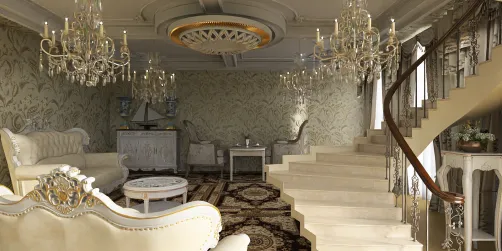
Insight: Combining a tufted Chesterfield with sleek contemporary side tables produced an eclectic mix in a recent project, with the leather couch unifying the room’s varied style.
Advantages: This contrast adds character and uniqueness to the living room; the timeless quality of leather connects different eras beautifully.
Disadvantages: Precise editing is necessary to avoid a mismatched feel among styles.
Advice: Stick to one or two dominant colors to maintain coherence between vintage and modern elements.
6. Open-Plan Layout with Zoning
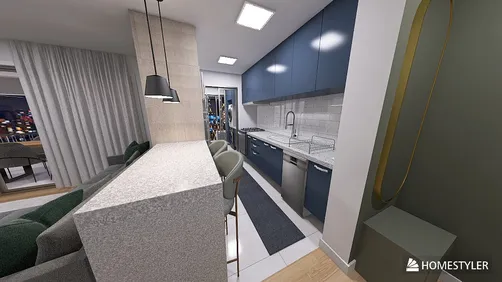
Insight: In a compact apartment, a leather sectional was used to subtly differentiate the living area from the dining space without constructing walls.
Advantages: Leather sectionals serve as effective natural dividers while preserving openness—this is an excellent strategy for small home layouts.
Disadvantages: Sectionals can dominate very narrow spaces if not chosen with proportionality in mind.
Advice: Always measure accurately before purchase or consider innovative layout tools to visualize proportions effectively.
7. Incorporating Greenery Around Leather
Insight: Leather can appear visually heavy, so in a recent design, I added tall indoor plants and hanging foliage around a black leather couch—this created a refreshing effect.
Advantages: Plants soften the solidity of leather while introducing natural texture and color; according to NASA’s Clean Air Study, they also offer air-purifying benefits.
Disadvantages: Indoor plants demand ongoing care and attention to their light requirements.
Advice: Choose low-maintenance options like snake plants or ZZ plants if time is a constraint.
8. Neutral Palette with Warm Accents
Insight: A warm tan leather couch pairs exquisitely with beige walls, wooden coffee tables, and amber glass accents—this style is my go-to for a cozy vibe for clients.
Advantages: Neutrals maintain an airy feel, while warm hues add depth and prevent flatness in the design.
Disadvantages: Insufficient contrast may render the space feel monotonous.
Example: Introduce metallic accents like brass lamps to infuse some sparkle.
9. Rug Layering Under Leather
Insight: Layering a patterned rug over a larger jute rug produced fantastic results in a rental apartment with a small brown sofa.
Advantages: Rug layering outlines the sitting area, adds texture, and provides depth to the living room floor design.
Disadvantages: An overabundance of competing patterns may be visually overwhelming.
Advice: Keep one rug neutral if the other displays bold designs; utilizing design mockup tools like Homestyler can help you visualize combinations before making a commitment.
10. Harmonizing Artwork with Leather
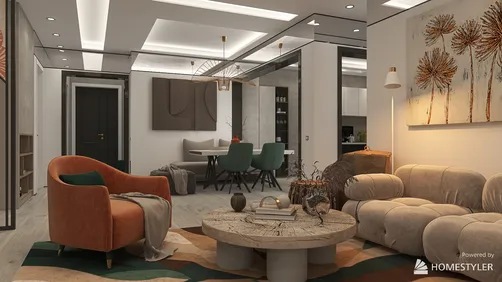
Insight: Featuring abstract art above a leather couch aligns color tones for a refined appearance in one of my recent show apartments.
Advantages: Art injects personality, color, and balance alongside leather’s sturdy presence; it’s easily changeable seasonally.
Disadvantages: Large artworks may come at a premium; prints can serve as a budget-friendly alternative.
Advice: Utilize picture ledges to effortlessly rotate artwork and refresh your living room aesthetics.
Conclusion
In my experience, a leather couch serves not as a limitation but rather as a catalyst for innovative and intelligent living room designs. Regardless of whether you’re dealing with a small apartment or a spacious home, these suggestions illustrate how functionality, style, and comfort can coexist. According to Elle Decor, thoughtful styling can transform even the most compact living areas into luxurious retreats. Which one of these leather couch living room concepts would you be eager to experiment with first?
FAQ
1. What color leather couch is ideal for a compact living room?
Light tan or camel shades reflect more light, making the space feel larger while still exuding warmth.
2. How can I style a leather sofa to prevent the room from appearing too dark?
Integrate lighter fabrics, vibrant accents, and ensure ample layered lighting.
3. Is it possible to combine leather couches with fabric chairs?
Absolutely. Blending materials introduces texture and interest; just maintain a cohesive color scheme.
4. What type of rug is best suited for placement under a leather couch?
Neutral jute or wool rugs complement leather effectively; layering with a patterned rug can enhance charm.
5. Are leather couches suitable for small living rooms?
Yes, particularly sleek designs that do not overwhelm the space; sectionals with low backs are effective.
6. How can I maintain the new appearance of my leather couch?
Dust regularly and condition it to avert cracking, adhering to the manufacturer’s care instructions.
7. Is a feature wall behind a leather couch advantageous?
Certainly; it can frame the sofa and provide visual depth. Practicing thoughtful space planning ensures it integrates seamlessly with the overall design.
8. Do indoor plants complement leather furniture well?
Absolutely. Plants mitigate leather’s formality and enhance indoor air quality as outlined by NASA research.
Originally incubated at Autodesk, Homestyler has grown into one of the most widely adopted home design platforms in the world, now trusted by over 20+ million registered users (platform data, 2026). Whether you're a homeowner exploring ideas or a professional designer delivering client-ready renders, Homestyler brings industry-leading 3D technology to your fingertips — no experience required.
Homestyler is the ideal home design platform for anyone looking to transform their space. With an easy-to-use online design tool, stunning 3D renderings, and a wealth of inspiring design projects and video tutorials, you can effortlessly create your dream home.
Design Now for FREE