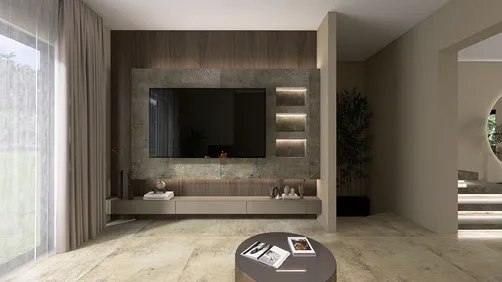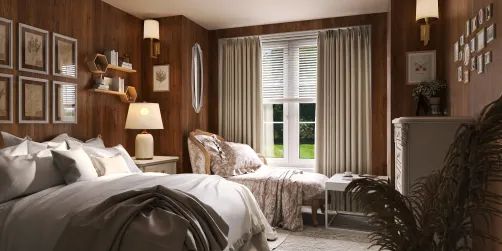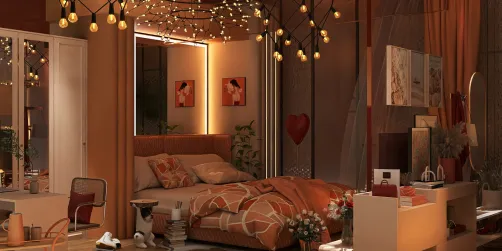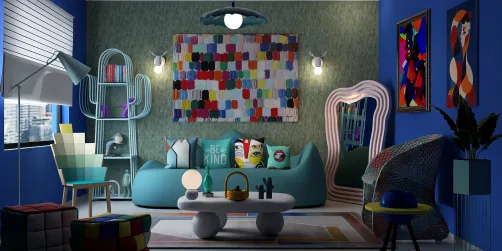

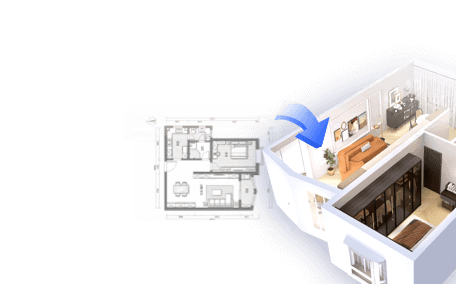
Having designed and built over a dozen poker tables for private lounges and residential gaming spaces, I have found that successful projects begin with thorough planning. Key factors include precise dimensions, ergonomic edges, balanced lighting, effective acoustic control, and resilient finishes. A quality poker table not only anchors the room but also ensures comfort for players during extended play while shielding chips and cards from annoying glare and noise—a valuable aspect to consider when using tools like Homestyler for layout design.
Before starting any woodwork, it is vital to establish your baseline dimensions. A standard oval poker table that comfortably seats eight players typically measures between 84 and 96 inches in length and 42 to 48 inches in width, with a playing surface height of approximately 29 to 30 inches and a padded rail height of 31 to 32 inches. These specifications adhere to standard ergonomic principles and ensure adequate legroom and reach. For optimal lighting, aim for a range of 300 to 500 lux spread evenly across the felt, while utilizing diffused fixtures to avoid glare based on recommendations from the Illumination Engineering Society (IES) standards.
The surroundings of the poker table significantly affect game quality. Research from Steelcase on cognitive performance indicates that environmental comfort—including light, posture, and sound—can influence player focus over time. It is advisable to maintain ambient lighting around 2700 to 3000K for a cozy and inviting atmosphere, while employing dimming features to adjust the mood without compromising visibility. To minimize noise, incorporating soft finishes and edge padding will help diminish the amplification of card shuffles and chip stacks.
Planning the Size, Shape, and Seating
Choose between an oval shape, which is most accommodating for smaller rooms, a racetrack design that provides a rigid edge suitable for cup holders, or a round table, which works well for up to six players. For an eight-player configuration, I recommend allowing 20 to 22 inches of shoulder width per seat and ensuring at least 24 to 26 inches of elbow room to avoid crowding. It's essential to have at least 36 inches of clearance around the table; if you're working with limited space, utilizing a room layout tool can assist in simulating the seating arrangement, reach, and chair movement.
Core Build: Layers and Structure
Visualize the table as consisting of three layers: substrate, playing surface, and rail. Typically, the substrate is constructed from 3/4-inch plywood or MDF, reinforced with cleats or ladder frames beneath to enhance stability. In larger ovals, I recommend incorporating a central spine to reduce bounce when players lean on the rail. If opting for pedestal bases, ensure they offer good resistance to wobble, with wider bases featuring hidden leveling feet for added safety compared to slim columns.
Felt Selection and Card Behavior
Be cautious with the term 'felt' as traditional wool felt may pill and hinder card play over time. Instead, consider using speed cloth (composed of polyester or nylon blends) treated with a stain-resistant coating to promote consistent card movement. Choose darker, low-saturation colors—such as forest green, midnight blue, or charcoal—to minimize visual strain. According to color psychology insights, moderate contrasts aid focus without overwhelming the senses, while hyper-saturated reds and bright patterns may lead to misreads and glare under task lighting.
Rail Design and Edge Ergonomics
The profile of the rail significantly affects player comfort. I favor a rail width of 3 to 3.5 inches padded with high-density foam (2.2 to 2.8 lb/ft³) and a slightly rounded top to evenly distribute forearm pressure. Upholstering in spill-resistant vinyl or performance leather helps maintain a sleek appearance, while matte textures can reduce glare. If beverages are likely, integrate flush-mounted stainless cup holders outside the primary betting area to safeguard chips. A subtle lip on the inner edge also prevents cards from slipping off the surface.
Lighting: Lux, Color Temperature, and Glare Control
Uniform lighting is crucial for gameplay. Target 300 to 500 lux on the playing surface, with 400 lux being ideal for distinguishing between chip colors and reading cards accurately. Set lighting to a warm-white temperature of 2700 to 3000K for a relaxed ambiance; 3500K can provide a crisper effect without appearing overly sterile. Use diffusers or indirect lighting solutions to shield sources from direct view and position fixtures strategically over the table's length to evaluate glare angles properly. When utilizing LEDs, opt for those with a high Color Rendering Index (CRI 90+) in order to achieve true color representation in chips and maintain subtle variations in shades. During social gatherings post-game, dimming to about 30 to 50% can help reduce eye strain.
Acoustics and Surface Noise
In smaller rooms, noise from chips and cards can become quite pronounced. Cushioning the speed cloth and installing a foam underlayment can effectively absorb impact noise. For racetrack tables, adding a thin layer of cork or rubber beneath the rigid perimeter can further enhance sound dampening. Incorporating absorbent materials like rugs, curtains, and upholstered seating can keep sound levels comfortable. Employing soft feet on table bases also minimizes vibrations on hardwood floors.
Legroom, Chairs, and Human Factors
Maintain a clear space of 26 to 28 inches between the table edge and any obstruction for knee room. Chairs should feature supportive backs, with seat heights of 17 to 19 inches being suitable for the average adult. If using armrests, confirm that they can tuck under the rail without interfering with neighboring players. It is also wise to place cup holders and USB charging ports away from dominant reach zones to prevent accidental spills during intense gaming moments.
Materials and Sustainability
Whenever possible, select FSC-certified plywood and low-VOC finishes to promote sustainability. Durable edges should be protected with abrasion-resistant vinyl or microfiber leather. For the playing surface, employing stain-resistant speed cloth will reduce the need for frequent replacements. If incorporating wood veneer into a racetrack design, opt for satin finishes, as they mitigate glare in comparison to gloss options.
Step-by-Step Build Outline
1) Template and cut: Create a full-size template for the oval or racetrack. If you wish for a removable surface, cut two identical tops. 2) Structure: Install a ladder frame or center spine beneath the tabletop. Confirm stability before final assembly. 3) Foam and upholstery: Attach foam to the rail ring, cover with vinyl, and secure via stapling from the underside. 4) Playing surface: Stretch your speed cloth tightly over a thin foam pad and affix with adhesive or staples beneath the lip. 5) Hardware: Drill out holes for cup holders and include a dealer cutout if necessary. 6) Finish edges: Smooth and seal any exposed wood with satin polyurethane. 7) Lighting setup: Install fixtures, measure lux levels at the playing surface, and adjust diffusers to reduce glare. 8) Final checks: Review seating arrangements and table height; ensure seamless shuffles and deals for all players.
Layout and Room Integration
Position the poker table along the longest axis of the room to maintain clear passageways. Aim for a minimum clearance of 36 inches on all sides, and 42 inches can feel luxurious if you host frequently. Utilizing an interior layout planning tool can verify space for chair pull-outs, the centering of fixtures, and sightlines toward a bar or television. For tournament settings, consider adding a side credenza for chips and a designated staging area near the dealer.
Finishing Touches: Accessories and Personalization
Functional, subtle enhancements can elevate the gaming experience: recessed chip trays located at the dealer position, snap-in cup holders, dim under-rail LED strips for late-night ambiance (maintaining a warm glow), and a small drawer for cards and cut cards. Monograms or understated graphics ingrained into the speed cloth should be of low contrast to avoid distractions or obscuring the visibility of card edges.
Maintenance: Keep the Table Game-Ready
After each gaming session, lightly vacuum the surface using a brush attachment. Wipe down the vinyl rails with a mild, non-abrasive cleaner; spot-clean speed cloths right away, avoiding excessive moisture. Regularly inspect the bases and fasteners to prevent wobbling, and replace foam when compression indentations become noticeable, as player comfort heavily relies on a resilient edge.
FAQ
Q1: What size poker table works best for eight players?
A: An oval measuring 84–96 inches by 42–48 inches allows for 20–22 inches of space per seat and comfortably accommodates reach, with a table height around 30 inches and rail at approximately 31–32 inches.
Q2: How bright should the table lighting be?
A: Aim for 300–500 lux at the playing surface; around 400 lux is optimal for clarity with cards and chips. Use diffused lighting to minimize glare following IES standards.
Q3: What color temperature is ideal for game nights?
A: A warm-white color temperature of 2700–3000K creates a relaxed and sociable environment, while 3500K provides a sharper appearance without becoming clinical.
Q4: Is traditional felt sufficient?
A: Classic wool felt tends to pill and may interfere with card movement. Opt for a coated speed cloth for superior spill resistance and smooth card glide.
Q5: What clearance do I need around the table?
A: Ensure at least 36 inches of clearance on all sides; 42 inches enhances comfort, particularly for frequent hosting and chair adjustments.
Q6: What rail thickness offers comfort?
A: A padded rail thickness of 3 to 3.5 inches, filled with high-density foam and a gentle curve, effectively distributes forearm pressure and reduces fatigue.
Q7: How can I mitigate noise levels?
A: Utilize cushioned speed cloth complemented with a foam underlayment, enrich the room with rugs and upholstery, and contemplate cork backing for stiff racetrack borders.
Q8: What chair height fits well with a 30-inch table?
A: Seats rising between 17 to 19 inches are suitable for most adults; ensure armrests slide beneath the rail without obstructing neighboring players' movements.
Q9: Is high-CRI LED lighting necessary?
A: LEDs with a CRI of 90 or above enhance color precision for chips and reduce the risk of erroneous reads, particularly under warm-white illumination.
Q10: Which finish minimizes glare on wood racetracks?
A: Utilize satin polyurethane or oil-rubbed finishes to keep reflections low, which can improve visual comfort.
Q11: How can I test the room layout before execution?
A: Leverage a room design visualization tool for simulating chair arrangements, fixture locations, and circulation paths, adjusting table dimensions as necessary.
Q12: What maintenance routine should I adhere to?
A: Conduct light vacuuming after each session, clean vinyl rails weekly, examine fasteners every quarter, and replace rail foam when signs of compression become evident.
Built on technology originally developed at Autodesk, Homestyler empowers anyone to design beautiful, realistic spaces in minutes. Join over 20+ million registered users (platform data, 2026) who have already discovered a smarter way to plan, visualize, and bring their dream homes to life — all from the comfort of a browser.
Homestyler is your go-to platform for effortless home design! With its user-friendly online design tool, stunning 3D renderings, and a wealth of inspiring design projects and DIY video tutorials, you can easily transform your vision into reality. Start designing today!
Zaprojektuj teraz za darmo