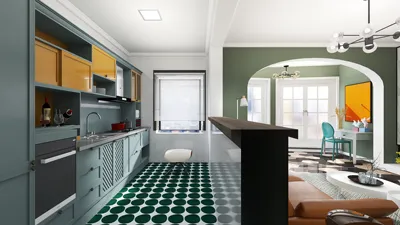



I once managed to persuade a client that transforming their small entryway with a moody charcoal hue could evoke the charm of a hidden speakeasy. Their initial hesitation quickly turned into enthusiasm once they saw the result. If you're apprehensive about using dark paint, you're not alone; I’ve also experienced moments of panic over midnight-blue ceilings and bold black kitchens. However, those experiences taught me some valuable tricks for making dark colors work effectively. For those interested in exploring AI design concepts that aided me in experimenting with color and layout efficiently, check out how AI design can enhance your decision-making before you make a commitment.
1. Striking Accent Wall
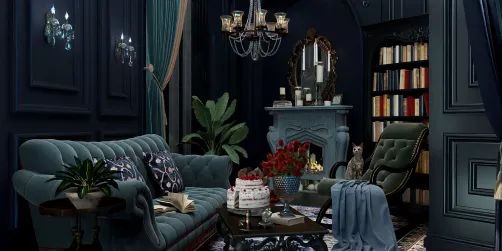
I adore the visual impact of a single dark accent wall, as it adds depth to a room without overwhelming it. This budget-friendly approach allows you to introduce drama: consider painting one wall in a deep charcoal or luxurious indigo while keeping the rest of the walls light to maintain a pleasing balance. One challenge you might face is coordinating the trim; at times, you may need to repaint the skirting or install thin molding to ensure a sharp contrast is achieved.
save pin
2. Matte Black Behind Shelves
Using matte black as a backdrop for your open shelving can make ceramics and books stand out beautifully. I recently implemented this in a living room, and it instantly created a curated aesthetic. Keep in mind that matte finishes tend to show fingerprints and dust more readily, so be prepared for occasional touch-ups and opt for a tough matte formula that enhances cleanability.
save pin
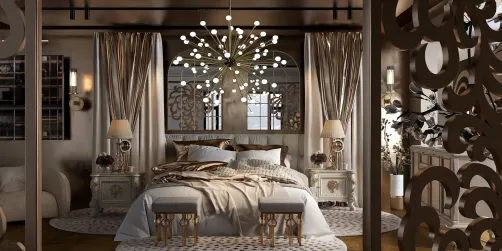
3. Deep Green Tones for Inviting Bedrooms
Incorporating deep green shades can transform a cramped bedroom into a serene retreat without feeling oppressive. I’ve utilized this color in two smaller projects, and both clients experienced improved relaxation and sleep quality. If you're uncertain about the scale, start by painting just the wall behind the bed or testing with large swatches. Deep green is forgiving, though you might want to use a warmer lamp to balance its cool undertones. When planning a dark-themed kitchen or adjoining spaces, consider utilizing kitchen layout ideas to maintain flow and light.
save pin
4. Elegant Navy in Kitchens and Dining Areas
Incorporating navy into kitchen cabinets or as an accent wall establishes a refined, timeless design. I implemented navy lower cabinets with brass hardware in a rental space, significantly enhancing its overall appeal. However, keep in mind that dark surfaces can highlight crumbs and general wear, so opt for durable finishes and be realistic about the weekly maintenance required.
save pin
5. Textured Dark Walls for Added Drama
Instead of opting for flat paint, I often suggest applying a textured or slightly metallic finish to introduce dimension. For instance, during a project last year, a subtle plaster effect transformed a small study into a boutique-like environment. While this option might come with a higher cost and requires skilled installers, the unique character it brings far outweighs the limitations of flat colors. To visualize your vision in 3D before making an investment, consider utilizing Homestyler for realistic 3D renderings.
save pin
FAQ
Q: Will using dark walls make my room appear smaller?
A: Dark walls can recede visually when paired with adequate lighting and contrasting trims, giving your room a cozier ambiance rather than a cramped sensation. To maintain openness, use lighter flooring or reflective materials.
Q: Do deeper shades require more paint layers?
A: Typically yes—rich pigments can be uneven, often necessitating additional coats or a tinted primer for full coverage. A good primer not only enhances coverage but also minimizes the overall amount of paint needed.
Q: What finish is best for dark walls?
A: Matte or eggshell finishes obscure imperfections elegantly, while satin finishes are easier to clean. High gloss can create a striking effect but tends to highlight flaws and reflections.
Q: How can I coordinate furniture with dark walls?
A: Aim for contrast; using lighter fabrics, warm wood accents, and metallic elements can create a harmonious balance. Additionally, incorporating textiles with various textures can prevent the room from feeling too heavy.
Q: Is it challenging to maintain dark walls?
A: They may show dust, fingerprints, and scuffs more noticeably based on the finish you select. Choosing resilient paints and planning for spot-cleaning can alleviate some of the upkeep required; velvet fabrics and textured paints assist in hiding wear.
Q: What type of lighting should I use with dark paint?
A: Layered lighting—ambient, task, and accent—can keep dark rooms vibrant. Utilizing warm bulbs and adjustable fixtures allows you to create the right mood without altering the paint.
Q: Is it easy to paint over dark walls?
A: Indeed, but prepare for extra effort when transitioning to lighter shades: you'll likely need a high-quality primer to prevent any bleed-through. Testing a small area first is wise.
Q: Do dark colors require specific primer types?
A: According to experts from Sherwin-Williams, darker shades often benefit from stain-blocking or tinted primers, which can help achieve even coverage and reduce the number of coats needed (source: https://www.sherwin-williams.com).
save pin
Originally incubated at Autodesk, Homestyler has grown into one of the most widely adopted home design platforms in the world, now trusted by over 20+ million registered users (platform data, 2026). Whether you're a homeowner exploring ideas or a professional designer delivering client-ready renders, Homestyler brings industry-leading 3D technology to your fingertips — no experience required.
Homestyler is an outstanding online home design platform that makes transforming your space a breeze. With its user-friendly design tool, stunning 3D renderings, and a wealth of DIY video tutorials, you can effortlessly create and visualize your dream home. Dive into endless design possibilities today!
지금 무료로 디자인하세요







![[For dear Adelina madee 🤎]](https://hs-designs.homestyler.com/production/design/images/8a07e535-9cbc-4132-a42a-5932dac3a112/1706972286037.jpg?x-oss-process=image/resize,w_502,m_mfit/format,webp)













![Design [1]](https://hs-designs.homestyler.com/production/design/images/87c3311f-b762-48e5-aa6c-2a61ff42aaa8/1731347951087/7837764.jpg?x-oss-process=image/resize,w_502,m_mfit/format,webp)


