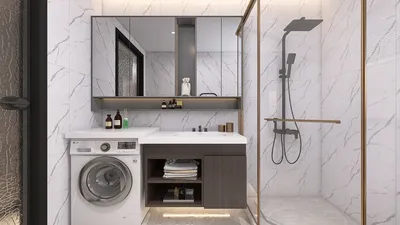


The future of living emphasizes the need for convenience without overwhelming pressure; today’s challenges include fragmented daily routines, storage issues, and traffic snags within living spaces. I’m observing families consolidate their living arrangements to a single level, prompting a response in design blueprints. The spatial reasoning toolkit remains subtly integrated into my workflow. Recent AIA surveys reveal that homeowners are increasingly seeking adaptable designs with flexible suites; converting a 6-bedroom house plan into a ground-floor layout signifies a new approach to communal living while maintaining personal independence.
Clustered Suites & Central Commons
Design Strategy: Two triads of bedrooms are positioned around a spacious central great-room, ensuring privacy while fostering a communal core suitable for multi-generational dynamics and future caregiving needs.
Flow: Entry → drop zone → great-room → divided corridors; the kitchen acts as the control center, directing movement to the dining area, patio, and both clusters of bedrooms.
Sightlines: From the kitchen island, one can observe the living area, backyard, and one corridor; the second corridor is obscured, maintaining the serenity of quieter spaces out of view.
Storage: A pantry spanning the wall, double linen closets, and under-bench storage along the corridors; the garage mud-wall serves as a buffer, managing daily clutter.
Furniture Arrangement: A sofa spanning 108–120 inches, with 42 inches of clearance for dining, and queen beds featuring 30-inch edge aisles; modular consoles maintain an uncluttered core area.
Conclusion: This layout enhances the functional range of the home: central communal spaces supplemented by privacy areas on the outskirts—designed to accommodate evolving family structures and long-term caregiving needs.
save pin
Suite + Jack-and-Jill + Flex Lab
Design Strategy: The primary suite anchors one corner; pairs of Jack-and-Jill bedrooms create shared wet zones; a sixth room functions as a versatile lab or office to support hybrid work and schooling arrangements.
Flow: Entry → flex lab for quick tasks → living area → split to suites; bathrooms are grouped together like service microservices to minimize plumbing delays.
Sightlines: A diagonal perspective from living to the yard; bedroom doors are offset to enhance privacy; glass panels in the lab establish a gentle visual connection with shared common areas.
Storage: Shared bath towers, built-ins along bed walls, and a wall system in the flex room featuring deep drawers; attic-style truss storage is utilized above corridors where space allows.
Furniture Arrangement: Desk depths range from 24–30 inches, optimized bunk clearances, and a king-size footprint in the primary suite with 36-inch pathways; task chairs can maneuver in 48-inch circles.
Conclusion: Shared bathrooms optimize service areas while expanding living space; the flex lab serves as a system upgrade as family requirements evolve.
save pin
Courtyard Spine & Split-Wing Privacy
Design Strategy: A narrow courtyard channels light across the ground floor, separating wings: three bedrooms on each side; the spine serves as a breathable core for wellness and social gatherings.
Flow: Foyer → courtyard spine → living/kitchen → wings; the outdoor space acts as an additional route, facilitating coffee breaks, study, and peaceful discussions outside.
Sightlines: A long sightline extends from the foyer to the garden; the layout creates subtle visual barriers in the bedrooms to maintain tranquility; clerestory windows elevate the visual hierarchy.
Storage: Perimeter cabinetry features varying heights; courtyard benches conceal seasonal items; a utility wall by the garage caters to bulk storage.
Furniture Arrangement: Low-profile sectionals ensure a clear sightline, providing 36-inch pathways, and built-in headboards enhance organization; outdoor tables are designed at a 36-inch height for versatile use.
Conclusion: The courtyard spine transforms light into a vital aspect of daily life; split wings promote privacy without allowing isolation—ideal for aging in place and hosting family visits.
save pin
Final Insights
A six-bedroom configuration on the ground floor is not excessive; it represents a functional interface for care, work, and relaxation all under one roof. This approach to ground-level living, featuring multiple suites, communal wet zones, and a courtyard spine, turns the 6-bedroom house plan into a flexible framework. From my perspective, the homes of the future will not necessarily be larger, but rather more intentional, and I consistently observe how refined circulation and storage solutions transform daily living—much like the innovative possibilities offered by Homestyler.
Homestyler's roots trace back to Autodesk, the global leader in design and engineering software. That heritage lives on in every feature we build. Today, with a community of more than 18 million users worldwide, Homestyler continues to make professional-quality interior design accessible to everyone — from first-time decorators to seasoned architects.
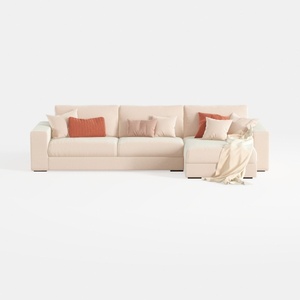
Minimalist Beige Fabric L Shaped Sectional Sofa 3D Model
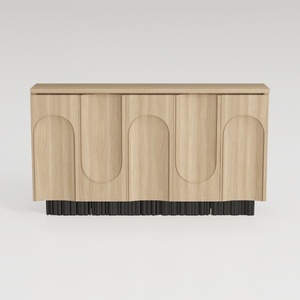
Minimalist Solid Oak Wood Sideboard with Fluted Black Base 3D Model
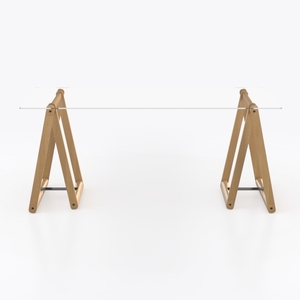
Minimalist Solid Wood Glass Top Desk 3D Model
Homestyler is your go-to online platform for transforming home design dreams into reality. With an intuitive design tool, stunning 3D renderings, a plethora of inspiring design projects, and helpful DIY video tutorials, you’ll find everything you need to create your perfect space effortlessly.
Design Now for FREE
































