

In a previous project, I persuaded a client that flat white interior paint was the ideal solution for a small, poorly lit studio. However, I quickly realized that under fluorescent lighting, the chosen shade appeared uninvitingly cold, resembling a clinical space. This experience taught me an important lesson: whites can dramatically affect the mood of a room. I now advise clients to envision their color choices in a 3D context, as lighting and reflections can significantly alter perceptions. Homestyler is a fantastic tool for this visualization.
1. Monochrome Minimalism
I find flat white provides a wonderful backdrop for minimalist designs. Its matte finish minimizes glare and conceals minor surface flaws while allowing furniture and artwork to shine through as focal points. However, using only white can lead to a lack of depth; therefore, I incorporate matte textiles and soft shadow lines to add dimension.
save pin
2. Warm White with Wood Accents
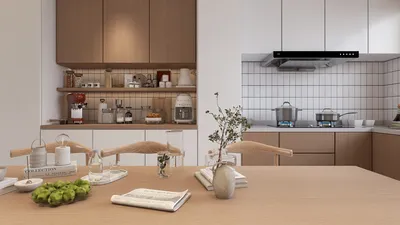
Combining flat white with warm wood tones creates a harmonious environment in compact kitchens and living areas. The white enhances the openness of the space, while the wooden accents contribute a welcoming feel, preventing the area from becoming sterile. A practical tip: apply flat white to the walls and choose a glossier finish for trims to strike a balance between durability and aesthetics.
save pin
3. High-Contrast Trim and Moldings
Using flat white walls with darker trims or painted moldings introduces purposeful contrast without cluttering the space. This approach offers a cost-effective way to elevate visual interest, particularly in older homes aiming for an updated appearance. When redesigning a kitchen, consider how your paint choices will integrate with the layout—planning with Homestyler can help avoid the need for future repainting.
save pin
4. Textures and Layering
The low sheen of flat white paint makes it an excellent choice for textured finishes like plaster or beadboard, which can create dynamic visual appeal without overshadowing one another. I frequently recommend leaving a test swatch on the wall for a week; living with it allows you to observe how the paint reacts to your unique lighting conditions. One drawback is that flat finishes can be challenging to clean, so it's best to use them on lower-traffic walls or choose washable formulations.
save pin
5. Small Space Illusions
In confined spaces, flat white can enhance visual expansion and smooth transitions between various surfaces, giving the illusion of a higher ceiling. Pairing it with reflective materials, such as satin cabinet fronts or mirrors, allows for flexible furniture arrangements while maintaining a balanced aesthetic. Homestyler can help visualize this layout effectively.
Flat white interior paint may seem straightforward, but it can simultaneously resolve and create issues. I always advocate testing colors in situ, considering the finish and functionality while planning the layout before applying the first coat.
save pin
FAQ
Q1: Is flat white interior paint a suitable option for smaller rooms?
I believe flat white works remarkably well in small spaces, as it diminishes glare and gives an impression of spaciousness. Just add textures or warm details to avoid a clinical ambiance.
Q2: How does flat white perform under various lighting conditions?
Flat white can appear different based on lighting: warm bulbs can give it a creamier tone, whereas cooler LED lights may make it seem sharper. Always evaluate paint samples at different times of the day.
Q3: Is flat white suitable for kitchens and bathrooms?
It's feasible, but traditional flat paints can be hard to maintain. In kitchens and bathrooms, I recommend using washable flat or eggshell finishes on lower walls while keeping flat paint above eye level.
Q4: What trim color complements flat white walls?
Contrasting colors can enhance the overall design—consider soft charcoal or deep navy for modern looks, or a warmer off-white for more traditional aesthetics. The trim color significantly influences the room's overall mood.
Q5: Can flat white effectively conceal wall imperfections?
Absolutely, one of the benefits of flat paint is its ability to hide minor blemishes. However, for heavily damaged walls, patching and priming may still be necessary.
Q6: How many coats of flat white paint should I apply?
Typically, two coats over a properly primed surface provide adequate coverage, though darker underlying colors may require additional layers. It's crucial to plan for the quantity of paint in your budget from the start.
Q7: Are there preferred brands or formulations?
Many reputable brands offer excellent flat white paints; always check the technical specifications for VOC levels and washability. Sherwin-Williams has interior flat options designed to balance coverage and finish quality—be sure to assess each product according to your specific needs.
Q8: Any quick tips before starting to paint?
Live with large swatches on various walls for several days, think about sheen for maintenance, and plan furniture and lighting before settling on your color choice. Thoughtful preparation can save you from having to repaint later.
Homestyler is your go-to online home design platform! With its user-friendly design tool, stunning 3D renderings, and a wealth of inspiring design projects and DIY video tutorials, creating your dream space has never been easier. Start designing today and transform your home effortlessly!
Design Now for FREE
































