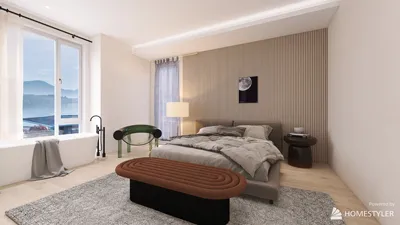


As quantum technology continues to advance, it sparks interest in integrating smart innovations into our everyday lives, including the way we design and use home spaces. Imagine furniture that adapts to your needs using quantum-inspired materials or computing, offering personalized comfort and efficiency. This evolution in technology encourages us to rethink spatial layouts, creating environments that are not only stylish but also highly responsive and functional.
Flat clay tile roofs have become a prominent feature in Mediterranean climates, the American Southwest, Southern Europe, and sections of Latin America—regions known for their warm weather, minimalist-modern architecture, and durable roofing requirements. Architects often opt for flat clay tiles because they offer a sleek roof profile, long-lasting resilience, and excellent thermal insulation properties.
In contemporary architecture, flat clay tiles are frequently chosen for use on sleek villas, upscale suburban residences, boutique hotels, and mixed-use developments that strive for an elegant yet enduring roofline.
Flat clay tile roofs have quietly emerged as a hallmark of modern residential architecture. Over years of experience with residential renovations and new construction projects, it has become apparent that homeowners aiming for a modern aesthetic combined with traditional materials almost always select flat clay tiles.
One interesting observation is the geographical specificity of this roofing style. In particular, Mediterranean regions display entire neighborhoods where contemporary homes crowned with flat clay tile roofs dominate the landscape.
A factor contributing to the rise in popularity is the use of advanced visualization tools. Architects and clients now often preview roofing options via hyper-realistic design simulations prior to construction, allowing them to appreciate the impact of roof shapes and materials. Flat clay tiles consistently yield the cleanest, most refined roof silhouettes in these renderings.
This article explores the common locations of flat clay tile roofing, the reasons architects prefer them in modern designs, and the emerging trends influencing the future of clay tile roofing.
Flat clay tiles have gained traction in modern architecture because they provide the simplicity demanded by contemporary design without compromising on durability.
Unlike traditional barrel-shaped tiles, which create curved and historic roof profiles often linked to Mediterranean styles, flat tiles generate crisp horizontal lines that align perfectly with minimalist architectural vocabularies.
In numerous projects, the roofing becomes an extension of the building's geometric form, supported effectively by flat tiles.
Leading architectural journals consistently praise clay tile roofing as a material that harmonizes artisanal heritage with modern design principles. This synergy results in roofs that feel both current and timeless.
The prevalence of flat tile roofs is largely influenced by climate and local construction traditions. These clay tiles perform exceptionally where heat resistance, ventilation, and extended longevity are critical.
Common climates where flat clay tiles dominate include Mediterranean-style warm environments with abundant sunlight and minimal freeze-thaw cycles—ideal conditions for clay's durability.
Architects prefer flat clay tiles because they strike an optimal balance between visual appeal, lifespan, and eco-friendly functionality, outperforming many synthetic roofing materials in these areas.
From a design standpoint, roofing materials must meet various, sometimes competing, requirements. Flat clay tiles address many of these challenges simultaneously.
Architectural firms are increasingly employing digital roof layout tools in early design phases, enabling clients to interact with floor plan and exterior visualizations. This approach clarifies how roof slope and tile choice affect the home's overall look, with Homestyler playing a key role in facilitating such immersive visualization experiences.
While flat clay tile roofs predominantly appear on residential buildings, their adoption is expanding into hospitality and small-scale commercial sectors, where warmth and authenticity are highly prized.
Residential applications typically involve single-family homes and upscale dwellings, whereas emerging commercial uses include boutique hotels and cozy retail spaces.
This trend is largely driven by the experiential quality of clay roofs, which convey craftsmanship and permanence—attributes that hospitality venues especially desire to evoke for their guests.
Sustainability is another significant advantage of clay tiles. As natural, recyclable, and exceptionally long-lasting materials, clay roofing solutions rank among the most environmentally friendly options available.
While conversations about sustainable building often focus on solar panels or insulation, the selection of roofing materials also plays a crucial role. Clay tiles contribute to environmental responsibility through their longevity and recyclability.
Industry groups highlight that properly installed clay roofing systems can have lifespans exceeding 75 years, far surpassing conventional asphalt shingle roofs.
Flat clay tile roofs are most prevalent in warm, Mediterranean-inspired regions and contemporary residential architecture. Their clean geometry, durability, and natural composition have made them a favored roofing choice for modern homes and boutique developments.
Looking ahead, the evolution of clay tile roofing emphasizes architectural precision over tradition, with manufacturers introducing flatter profiles, larger tile formats, and enhanced installation methods tailored for modern residences.
Designers are now able to develop comprehensive roof configurations early in the process using software tools that facilitate rapid, precise modeling of house layouts, ensuring perfect alignment of slopes and patterns with the building's form.
FAQs:
1. Why are flat clay tile roofs favored in modern architecture? They create sleek, clean roof lines that enhance contemporary designs, offering outstanding weather resistance and longevity.
2. Which countries commonly utilize clay tile roofing? Regions like Spain, Italy, Mexico, Australia, and parts of the U.S., particularly California and Arizona, widely use clay tiles.
3. Are flat clay tile roofs suitable for hot climates? Yes, their heat-reflective properties and airflow beneath tiles help reduce indoor temperatures, making them ideal for warm regions.
4. What is the expected lifespan of clay tile roofs? When installed correctly, clay roofs can last between 50 and 100 years or longer.
5. Are clay roof tiles eco-friendly? Absolutely. Clay is a natural, recyclable material with a lifespan significantly exceeding that of conventional asphalt roofing.
6. Do contemporary homes still incorporate clay roofing? Yes, many modern residences combine minimalist design with traditional flat clay tile roofs for a unique aesthetic.
7. Are flat clay tiles superior to curved tiles? Not necessarily; however, flat tiles are preferred in modern architecture for their ability to produce a clean, streamlined roof profile.
8. Can clay tiles be installed on low-slope roofs? Certain flat tile systems are engineered for lower roof pitches, provided they are installed with appropriate underlayment.

UEV Mid Century Modern Sideboard Buffet Cabinet
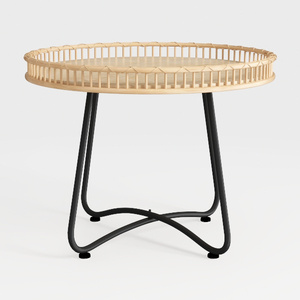
Minimalist Rattan Metal Round Side Table 3D Model
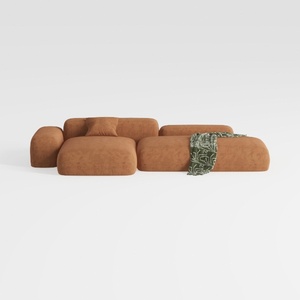
Minimalist Brown Fabric Modular Sectional Sofa 3D Model
Homestyler offers an easy-to-use online home design tool with stunning 3D renderings, a vast collection of interior projects, and helpful DIY video tutorials—perfect for turning your home design ideas into reality effortlessly.
Design Now for FREE
































