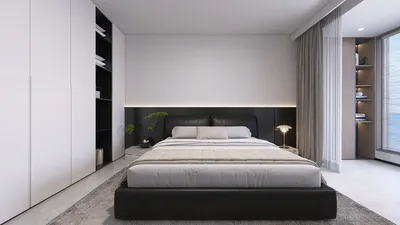


A while back, I accidentally chose a satin finish instead of semi-gloss for a client's kitchen, who was a big fan of shiny surfaces. She humorously remarked that I had ruined her vision of a disco-themed kitchen. Interestingly, the satin finish actually brought a serene vibe to the space, concealed fingerprints more effectively, and enriched the look of the cabinets. This minor design blunder taught me that the subtleties in choices, such as paint sheen, can drastically transform a room. In this article, I will share five practical ideas for using satin paint on kitchen cabinets, drawn from my own projects, and explain why smaller kitchens often inspire the most creativity. Utilizing 3D floor planning tools like Homestyler helped me visualize several of these concepts early in the design process.
1. Gentle Neutral Satin for Enhanced Light Reflection
I frequently suggest a warm neutral satin finish, such as greige or soft cream, for smaller kitchens since it reflects light softly without causing glare. This approach offers a cozy yet balanced aesthetic and effectively masks minor imperfections in the walls. However, one downside is that it can easily show darker stains, so it's best to couple it with easy-to-clean hardware. Pro tip: consider using a tinted primer to enhance coverage and minimize the number of paint coats needed.
save pin
2. Bold Satin for Striking Kitchen Islands
When clients seek a captivating centerpiece, I often opt for a deep satin finish, in shades like navy or forest green, for the kitchen island, while keeping the surrounding cabinets lighter. Satin provides depth without the harsh glare typical of glossy finishes; however, darker hues may reveal brush strokes if the surface preparation isn't meticulous. To achieve a smooth finish, a fine-grit sanding between coats and using a spray application method are recommended.
save pin
3. Satin Cabinetry in Busy Households
For households with children or heavy kitchen use, a satin finish strikes an ideal balance; it faces daily scuffs better than matte and is less glaring than gloss. For instance, I once updated an older kitchen for a bustling family, where the satin finish proved resilient and concealed everyday wear and tear effectively. Keep in mind, however, that greasy fingerprints may still make an appearance, so it’s wise to select a high-quality, washable satin alkyd or acrylic enamel.
save pin
4. Two-Tone Satin Finishes
Combining two different satin sheens — a slightly higher sheen on lower cabinets and a softer satin above — can create a sense of visual stability where it’s most needed. This technique came in handy for a narrow galley kitchen that required a perception of sturdiness. The main challenge lies in color matching, so it's advisable to test larger paint swatches under natural light before making a final decision.
save pin
5. Satin Paint for Moldings and Details
Using satin for moldings and inset panel doors provides a classic look without being overly ornate. Recently, I applied satin to beadboard inserts in a cottage-style kitchen, accentuating the details in a subtle way. The downside of satin is that it may highlight surface textures, so thorough filling and sanding prior to painting are crucial.
save pin
Tips 1:
Budget considerations: while high-quality satin enamel may be pricier, it ultimately reduces maintenance and the need for frequent touch-ups. For DIY enthusiasts, testing a small cabinet door and living with the paint for a week can be insightful. If you're looking to quickly simulate layouts and color combinations, the kitchen layout planner I often use in my presentations, such as Homestyler, simplifies this process considerably.
save pin
FAQ
Q1: Is satin or semi-gloss preferable for kitchen cabinets? A1: Satin provides a midway option — it’s less reflective than semi-gloss yet more durable than matte finishes. This makes it an ideal choice for balancing aesthetics with ease of cleaning in most homes.
Q2: What’s the best method for cleaning satin-painted cabinets? A2: Use a mild detergent with a soft cloth and avoid abrasive pads to maintain the surface. For greasy spots, utilize a degreasing cleaner diluted according to the instructions.
Q3: Will satin finishes show brush strokes? A3: They can if the application is poor. The best approach is to sand between coats, and for a smoother finish use a high-quality synthetic brush or spray application.
Q4: How many coats of satin paint are typically required? A4: Generally, two coats over a well-applied primer are sufficient; however, darker colors may necessitate an additional coat for complete coverage.
Q5: Does satin work well with shaker-style doors? A5: Absolutely — satin enhances the look of the paneling without causing harsh reflections. Ensuring proper surface preparation guarantees clean lines.
Q6: Is it possible to apply satin paint over existing lacquer? A6: Yes, but it’s important to sand and prime beforehand; for optimal adhesion, use a bonding primer. Always check with the paint manufacturer's guidelines for compatibility.
Q7: Where can I find reliable design tools to visualize cabinet colors? A7: I suggest using professional planning tools; a widely used one provides interactive layouts and renders (look up their projects at Homestyler). Additionally, for technical paint advice, refer to the U.S. Paints & Coatings Association for information on sheen and durability: https://www.paint.org/.
Q8: Does satin do a better job hiding imperfections than gloss? A8: Generally, yes — satin is effective at softening surface flaws compared to gloss finishes, though it is still reflective enough to reveal significant defects, underscoring the importance of proper preparation.
save pin

LITTLE TREE 70.8-Inch Large Executive Desk, Modern
SIMPLIHOME Lowry Desk - 54-Inch Wide Solid Acacia
Homestyler is your go-to online home design platform, perfect for both novices and experts. With its user-friendly design tool, stunning 3D renderings, inspiring design projects, and comprehensive video tutorials, transforming your living space has never been easier or more enjoyable!
Zaprojektuj teraz za darmo
































