

Direct Answer
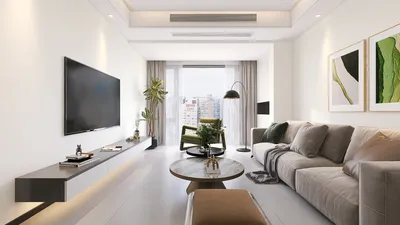
A feng shui living room layout within a Chinese-style home emphasizes smooth energy flow, balanced furniture arrangement, and meaningful decor. The sofa should face the entryway without obstructing it, seating should encourage a welcoming conversational circle, and colors along with materials should promote harmony and stability. Thoughtful positioning of artwork, lighting, and decorative accents supports a serene and balanced atmosphere.
Quick Takeaways
Introduction
Over the last decade, I have assisted numerous homeowners in crafting feng shui living room layouts in the Chinese aesthetic. Interestingly, most issues stem less from the choice of furniture and more from how it is arranged and how energy flows through the space.
In traditional Chinese interior design, feng shui represents spatial logic rather than mere decoration. The layout determines if a room feels peaceful, inviting, and balanced or awkward and uneasy.
A common error is replicating beautiful Chinese-style interiors without grasping the underlying feng shui layout principles. Although the room may appear accurate, it often feels subtly off.
If you're designing your own layout, visual experimentation beforehand can prevent costly errors. Many interior designers rely on tools like Homestyler to create 3D floor plans and visualize furniture placement before physically moving pieces.
This guide will explore practical feng shui guidelines I apply in Chinese living room designs, covering sofa arrangement, decor placement, and frequent mistakes that disrupt the energy balance.
save pin
Fundamental Feng Shui Concepts for Living Rooms
Key Insight: Effective feng shui begins with unimpeded energy movement; furniture should facilitate natural pathways rather than hinder them.
In classical feng shui, the living room serves as the home's social nucleus, symbolizing openness, prosperity, and family harmony. The layout thus must ensure visual ease and seamless circulation.
From my experience designing numerous Chinese homes, three consistent layout principles enhance balance:
According to authoritative feng shui resources like The Complete Idiot's Guide to Feng Shui and teachings by the International Feng Shui Guild, the “command position” is vital. It entails arranging the main seating to see the entrance without being directly aligned with it.
In practical projects, applying this principle solves about seventy percent of discomfort related to layouts.
Ideal Sofa and Seating Placement Based on Feng Shui
Key Insight: The principal sofa should be anchored against a solid wall and oriented diagonally toward the main entrance.
When clients inquire about sofa placement rules for feng shui living rooms, the answer depends on entrance and window locations.
However, some design patterns maintain effectiveness across scenarios.
Suggested seating layout:
A common subtle issue is placing the sofa beneath a large window. Feng shui advises against this as it diminishes the "support" energy behind seating and visually destabilizes the area.
A more balanced method is positioning windows beside seating rather than directly behind it.
save pin
Optimal Colors and Materials to Enhance Energy Balance
Key Insight: Warm neutral tones and natural materials foster steady energy in interiors styled after Chinese traditions.
Feng shui extends beyond placement; the selection of materials shapes perceived harmony as well.
In Chinese-style living rooms, I recommend:
Color schemes inspired by the five elements philosophy:
In practice, moderation is critical. Overuse of symbolic hues risks making a space appear contrived instead of authentically harmonious.
Placing Chinese Art and Decorative Items
Key Insight: Decorative items should emphasize focal points rather than disperse visual energy excessively.
Chinese interiors commonly include calligraphy, landscape art, porcelain, and carved wood. Proper placement decides if these features enhance harmony or clutter the visual field.
Effective placement strategies I frequently apply are:
save pin
One often overlooked principle is that crowding symbolic objects can weaken rather than strengthen feng shui. Usually, one well-positioned artwork has greater impact than many smaller pieces scattered about.
When aiming for culturally authentic layouts, reviewing real Chinese-inspired living room designs helps understand how decor and furniture achieve balance.
Typical Feng Shui Layout Errors to Avoid
Key Insight: Most feng shui challenges arise from blocked pathways and unstable furniture positioning.
Through numerous projects, recurring layout mistakes emerge.
The most frequent include:
Interestingly, contemporary living patterns can clash with feng shui traditions. For instance, large entertainment walls often dominate the room, overshadowing its social role.
Within Chinese-style interiors, the seating arrangement—not the television—should remain the visual center.
Answer Box
A harmonious feng shui living room layout sets the main sofa against a solid wall, maintains open pathways, incorporates natural materials, and arranges decor symmetrically. This fosters stable support, fluid movement, and visual cohesion.
Creating Harmony in a Chinese Style Living Room
Key Insight: Achieving harmony depends on balance and restraint rather than excessive traditional ornamentation.
A widespread misconception is that Chinese feng shui living rooms require many symbolic decorations. In practice, simplicity often yields the most refined outcomes.
When designing a Chinese-style living room, I concentrate on three layers:
If you plan to experiment with layouts before purchasing furniture, using tools like Homestyler to test various arrangements visually can reveal whether the space maintains balance prior to finalizing the room.
save pin
This step alone prevents numerous layout mistakes and preserves the calm spatial rhythm integral to feng shui designs.
Final Summary
FAQ
What is the best feng shui living room layout for Chinese style?
An optimal layout positions the sofa against a solid wall facing the doorway diagonally, with seating arranged symmetrically and unobstructed walking paths.
Where should a sofa face in feng shui?
The sofa should face the entrance, allowing occupants to see arrivals without sitting directly in the flow of incoming energy.
Is placing a sofa under a window bad feng shui?
Traditional feng shui advises against this because it reduces symbolic support; a solid wall behind seating offers greater stability.
Which colors suit a Chinese feng shui living room design?
Warm neutrals, natural wood tones, subtle reds, and earth-inspired color palettes work best to maintain balanced feng shui.
How many decorations should a feng shui living room include?
Less is more. Select a few meaningful pieces instead of overcrowding the room with multiple decorative items.
Can contemporary furniture adhere to feng shui principles?
Absolutely. Feng shui centers mainly on layout and balance rather than the style of furniture.
Should the TV be the focal point in a feng shui living room?
No. The seating and social interaction should remain the focal elements.
How can you design a feng shui living room in a compact apartment?
Use space-saving furniture, keep walkways clear, and avoid clutter to sustain proper energy flow.
References
International Feng Shui Guild – Feng Shui Design Principles
Yale School of Architecture – Spatial Harmony in Traditional Chinese Interiors
Lillian Too – The Complete Illustrated Guide to Feng Shui
Featured Image
fileName: feng-shui-chinese-style-living-room-layout.jpg
size: 1920x1080
alt: Chinese-style living room featuring balanced feng shui furniture layout and traditional decorative elements
caption: Harmonious Chinese-style living room arranged with feng shui principles.
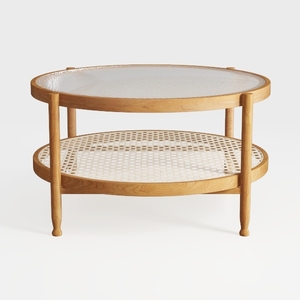
Minimalist Oak Rattan Glass Top Round Coffee Table 3D Model


Modern Rattan Solid Wood Linen Upholstered Chaise Lounge 3D Model

Minimalist Solid Wood Linen Fabric Three Seat Sofa 3D Model
Homestyler offers an easy-to-use online design tool with stunning 3D renderings, a vast collection of interior decoration projects, and helpful DIY video tutorials—perfect for anyone looking to create and visualize their dream home effortlessly.
Concevez maintenant gratuitement
































