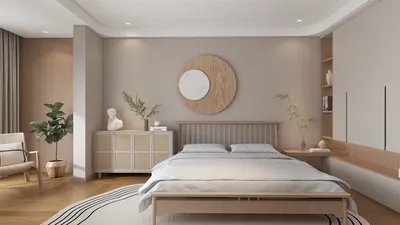


In my experience, I had a client who preferred the bed positioned like a throne facing the door, leading to consistent complaints about feeling like the room was on display. This taught me that in small bedrooms, dramatic choices can lead to discomfort, while subtle, carefully thought-out adjustments are rewarded. Therefore, I now always create a quick layout sketch to explore different options before investing in items like curtains, particularly using design tools like Homestyler for precision.
Small spaces can truly ignite creativity; in this article, I will present five feng shui bedroom layout strategies that I apply in tight areas to enhance sleep quality, lighting, and overall flow. These practical insights stem from actual renovation projects rather than generic rules—expect concrete benefits, a few compromises, and budget-friendly options along the way.
1. Focus on the Command Position for Your Bed
According to feng shui principles, the bed should occupy the command position: diagonally across from the entrance, supported by a solid wall behind the headboard. I prioritize this placement even if it requires rearranging wardrobes or opting for a more compact headboard. It's remarkable how much more serene a space feels when you can see the door while staying out of its direct path. The only trade-off may be a decrease in available floor space, but I typically replace larger dressers with vertical storage solutions for balance.
save pin
2. Implement Soft, Balanced Lighting to Lessen Visual Clutter
Overhead lights that are overly bright and numerous small fixtures can make a compact room feel chaotic. Instead, I recommend using layered, soft lighting options—such as dimmable bedside lamps and gentle ceiling fixtures, complemented by LED strips on shelves. This small adjustment can significantly calm the energy in the room, but be aware that it may require some wiring or dimmer installation if the space is older.
save pin
3. Position Mirrors Wisely: Enhance Light, Not Disorder
Mirrors can create the illusion of a more extensive space, but their placement is crucial per feng shui guidelines—avoiding direct reflection of the bed. For tighter areas, I often suggest a long, narrow mirror on a side wall or mirrored closet doors that reflect light rather than the sleeping area. Before cutting materials, I encourage clients to draft a scaled floor plan to visualize reflections accurately, saving time and preventing rework later.
save pin
4. Purge Clutter with Multifunctional Furniture
In small bedrooms, every item must prove its worth. I advocate for beds equipped with built-in storage and floating nightstands to maintain an open floor space, facilitating positive energy flow as per feng shui. The downside may involve assembly time and a potentially less adaptable layout. Therefore, I recommend introducing one multifunctional piece at a time, allowing a month of adjustment before adding additional items.
save pin
5. Smooth Out Corners and Introduce Biophilic Elements
Sharp corners that point at the bed can generate "sha chi" or negative energy; I mitigate these harsh lines by incorporating rounded rugs, plush headboards, or trailing plants on shelves. A strategically placed small plant, like a snake plant, can enhance air quality and the room's ambiance. However, avoid placing large-leaf plants near the bed if you are a light sleeper. For verifying furniture dimensions before purchase, I often use tools like Homestyler to help clients visualize arrangements in 3D, avoiding unexpected issues.
save pin
FAQ
1. What is the most crucial feng shui guideline for a small bedroom?
Ensure the bed is in the command position with a solid headboard and clear sightlines to the door. This adjustment quickly enhances feelings of safety and restfulness.
2. Is it acceptable to have a mirror in a feng shui bedroom?
Yes, mirrors are allowed, but avoid those that directly reflect the bed. Opt for side or higher-placed mirrors that bounce light while not reflecting the person sleeping.
3. Do color choices hold significance in a small feng shui bedroom?
Soft, muted shades like pale blues, warm neutrals, or gentle greens are generally recommended as they promote calm. Bright, vivid colors can serve as accents but may overwhelm limited spaces.
4. How can I manage having a window behind the bed?
If placing the bed against a window is unavoidable, utilize a sturdy headboard and layered window coverings to create an illusion of solid backing. Decorative screens or plants can also stabilize the bed's position.
5. Is having electronics in the bedroom appropriate?
It's best to reduce electronics near the bed due to their interference with sleep through EMFs and blue light. If necessary, keep devices across the room, using airplane mode or stowing them away at night.
6. How can I enhance airflow in a tiny bedroom?
Maintain clear vents, select low-profile furniture, and consider utilizing a small fan to promote gentle air circulation. Offering good airflow is vital for comfort and balanced energy.
7. Is there evidence connecting these adjustments with sleep quality?
Absolutely—research from the National Sleep Foundation indicates that aspects of bedroom environments, including lighting and temperature control, significantly influence sleep quality (for detailed guidelines, visit sleepfoundation.org).
8. Can I try out layouts on my own before making furniture purchases?
Definitely—creating scaled sketches on paper or using simple design applications can assist you in experimenting with bed layout and storage prior to purchase. For more precise guidance, I suggest starting with a foundational plan and making adjustments in phases.
save pin
Homestyler is your go-to online home design platform! With its user-friendly design tool, stunning 3D renderings, and a wealth of DIY video tutorials, you can effortlessly transform your ideas into reality. Whether you're a beginner or a pro, Homestyler makes home design fun and accessible!
Design Now for FREE
































