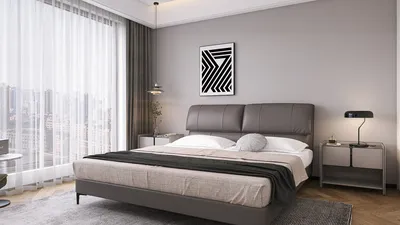


I once had a client who desired a home office that exuded the charm of a Parisian boudoir while cleverly concealing a mountain of tax receipts — a challenge I embraced head-on. I began sketching designs featuring soft curves and hidden storage options, and that endeavor morphed into one of my favorite transformations; if you’re intrigued, I even preserved a link to the room layout case that inspired the integrated desk and wardrobe combination: room layout case.
Compact spaces can indeed ignite great ideas — they compel you to think creatively about scale, texture, and lighting. Here, I will share five feminine home office concepts that I frequently employ, outlining the benefits, downsides, and several budget-friendly tips I’ve gathered over nearly a decade of tackling small projects.
1. Gentle color schemes combined with layered textures
I typically commence with a subdued palette — shades like blush, cream, and sage — then introduce interest through velvet cushions, rattan baskets, and brushed brass lamps. The benefit of this approach is creating a calming, cohesive backdrop that transforms even the most compact desks into intentional spaces; however, it’s vital to avoid a monotonous look. Mixing matte and glossy finishes can keep the environment lively.
Budget-friendly tip: consider replacing a pricey velvet chair with a textured linen slipcover and upgrade the hardware later — this approach brings an upscale feel swiftly while maintaining affordability.
save pin
2. Curvilinear furniture and rounded desks
Curved designs convey softness and femininity while smartly optimizing space: a rounded desk can fit neatly into eccentric corners and enhance traffic flow. I’ve implemented semicircular desks in numerous apartments where traditional straight desks would block access; the caveat being that you might have less flat space for dual monitors, so plan your tech positioning carefully.
Practical tip: utilize a slim, arched task lamp paired with a wireless keyboard to maintain a clean and functional work surface.
save pin
3. Dual-purpose vanity and desk combinations
One of my creative solutions for small spaces involves designing a vanity that serves as a workspace — incorporating a wall-mounted mirror, storage organizers for stationery, and beautiful jars for pens. This design excels when flexibility is necessary; the primary drawback is that personal items may need to be quickly tidied away, where smart storage inserts come to the rescue. For layout inspiration that effectively blends aesthetics with functionality, I often reference kitchen layouts to adapt cabinetry ideas to desk designs: kitchen layout inspiration.
Case in point: I once transformed a 6′ dressing table into a writing nook with additional under-desk shelving and a cable grommet, earning it the title of a client's favorite multifunctional area.
save pin
4. Artistic lighting and accent mirrors
Lighting sets the mood. I opt for a sculptural pendant or a layered mix of overhead and task lights to introduce drama without occupying floor space excessively. Mirrors reflect light and enhance the perception of space, but larger mirrors demand careful placement to avoid showcasing clutter.
Quick improvement tip: install a picture light above a framed artwork instead of adding table lamps; this frees up surface area while appearing feminine when accompanied by warm-toned bulbs.
save pin
5. Incorporating plants, fragrance, and a petite gallery wall
Plants and scents add a personal touch to a room unlike anything else — a compact fiddle-leaf fig or trailing ivy can soften hard edges, while a diffuser with a light floral scent keeps the workspace inviting. A carefully curated gallery wall showcasing feminine prints, photos, and a small shelf for decorative trinkets bestows character without overpowering the area. If you're eager to visualize the final look in 3D before making purchases, I suggest exploring a 3D render portfolio to preview materials and scale: 3D render portfolio.
Consider upkeep: both plants and scents require attention, so select low-maintenance varieties and rotate fragrances to prevent scent fatigue.
save pin
FAQ
1. What are the most suitable colors for a feminine home office?
For a feminine touch that remains professional, I suggest muted shades such as blush, soft gray, sage, and cream. Accentuate with metallics or richer jewel tones to add depth and contrast.
2. How can I transform a tiny corner into a designated workspace?
Focus on a slim desk, vertical storage, and adequate task lighting. Using mirrors and varying textures helps complete the look without expanding the footprint.
3. Can a feminine design also prioritize ergonomics?
Definitely — pairing an aesthetically pleasing desk and chair with an adjustable monitor arm, footrest, and lumbar-support cushion can create an effective workspace. Ergonomics can look elegant and stylish.
4. What budget should I consider for a stylish home office?
Prepare for a broad range: a chic setup can be achieved for under $500 with thrifted finds and smart styling, while a custom built-in with lighting and tailored storage might cost several thousand dollars. Prioritize comfort and storage solutions.
5. Which plants are best suited for home offices?
Consider low-light tolerant varieties like pothos, ZZ plants, or snake plants which are resilient and improve air quality. If you desire a floral fragrance, opt for a small jasmine or a potted Kalanchoe for occasional blooms.
6. How can I keep cables hidden while maintaining a feminine design?
Utilize wireless devices wherever possible, channel cables through a single grommet, and hide power strips in decorative boxes or under-desk trays. A braided cloth cord appears more intentional than plastic alternatives.
7. Are there safety or ergonomic standards I should adhere to?
Yes—adhering to basic ergonomic guidelines, such as keeping the monitor top at or slightly below eye level with forearms parallel to the floor, is crucial. For authoritative guidance, please refer to OSHA’s ergonomics resources (https://www.osha.gov/ergonomics), which offer practical advice to minimize strain.
8. How can I experiment with design concepts before committing?
Try mocking up layouts with simple taped outlines on the floor or using online 3D tools and mood boards to evaluate color, scale, and lighting. Planning in advance saves time and money when it comes to sourcing key pieces.
Discover the ease of home design with Homestyler! This intuitive online platform offers a powerful design tool, stunning 3D renderings, a wealth of design projects, and helpful DIY video tutorials. Transform your space into your dream home effortlessly, regardless of your experience level!
Design Now for FREE
































