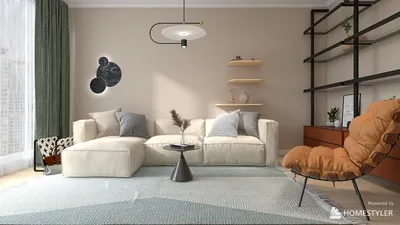


One time, I persuaded a client that a large reclaimed barn door would serve as the ideal focal feature in her compact bathroom. However, after we measured its swing, we realized it nearly obstructed the sink. That minor disaster highlighted the importance of considering vertical space and lightweight options, demonstrating how a wall can express a room’s character without compromising functionality. For anyone looking to visualize concepts before making a decision, I always recommend exploring them in 3D with tools like Homestyler to ensure that a standout piece won't obstruct crucial elements like faucets.
1. Shiplap Accent Wall with Floating Shelves
Shiplap is a delightful choice for farmhouse-style bathrooms due to its ability to instantly enhance texture while imparting a touch of rustic charm that complements existing fixtures. By combining slim horizontal boards with floating shelves, you can maximize storage without adding bulk; these shelves work wonderfully for displaying candles, hand towels, and beloved apothecary jars. One consideration is that shiplap requires moisture-resistant paint or sealed wood in high-humidity environments, yet the overall expense tends to be reasonable, making it a swift visual improvement.
save pin
2. Vintage Mirrors and Mixed Metals
A favorite design strategy of mine involves pairing a small vintage mirror with contemporary brushed brass hardware. This mirror stands out as a striking feature on a plain wall, reflecting light in smaller spaces. It's important to note that antique frames might be heavy or unsuitable for wet environments, so I often mount them on tile or cement backer boards. The result is high-impact elegance without undergoing a complete remodel.
save pin
3. Gallery-Ledge with Botanical Prints
When floor area is limited, an eye-level gallery ledge creates a curated appearance while maintaining wall functionality. I suggest using lightweight frames filled with a mix of pressed ferns, monochrome family photos, and a larger piece to anchor the visual arrangement. If you’re contemplating a layout redesign prior to installation, utilizing Homestyler for a quick floor sketch can help test sightlines and towel arrangement. Just be cautious of humidity; art should be displayed under glass and kept away from direct steam.
save pin
4. Ladder Towel Rack and Wall-Mounted Planters
A slender leaning ladder or wall-mounted rungs add farmhouse texture while providing extra towel storage without the need for a cumbersome cabinet. Complement this setup with a couple of small wall planters featuring resilient plants like pothos or snake plants, which thrive in low light and soften the rustic ambiance. Keep in mind that ladders require adequate floor clearance and secure fastening if hanging wet towels, yet they are budget-friendly and contribute to a cozy atmosphere.
save pin
5. Rustic Panels with Subtle Lighting
For an upscale touch, consider mounting reclaimed-wood-look panels on one wall and coupling them with low-profile LED strip lighting installed behind a vanity or along a shelf. The warm illumination accentuates the wood grain while making the space appear larger. Although this design tends to be more of an investment due to the cost of panels and good LEDs, the ambiance created is worth it. For curated suggestions, explore AI-driven styling options such as Homestyler to preview various combinations. The drawback is the complexity of installation, yet the final look resembles that of a high-end farmhouse spa.
save pin
FAQ
Q1: Which materials are best for walls in a farmhouse bathroom?
A1: The most suitable materials include moisture-resistant paints, cement backer board for decorative panels, and sealed or treated shiplap. It's best to steer clear of untreated wood or raw MDF in areas exposed to direct steam.
Q2: How can I hang artwork in a bathroom to prevent warping?
A2: Opt for framed prints enclosed in glass or acrylic, and mount them away from the shower spray. Using UV-protective glass and moisture-resistant backing enhances durability.
Q3: Is reclaimed wood usable in bathrooms?
A3: Yes, as long as it's adequately sealed and mounted over a moisture barrier. Otherwise, consider engineered reclaimed-look panels designed for wet environments. Proper sealing is essential to avoid mold and warping.
Q4: What paint finish is recommended for farmhouse bathrooms?
A4: A satin or semi-gloss finish is ideal because it's easy to clean and more moisture-resistant than flat options. These finishes also provide a slight reflection of light, making small bathrooms feel more open.
Q5: Are plants viable in farmhouse bathrooms?
A5: Certainly—go for humidity-loving, low-light plants like pothos, spider plants, or sansevieria. They enliven the space and improve air quality when placed away from direct steam.
Q6: How can I blend vintage and modern elements seamlessly?
A6: Choose one vintage focal point, such as a mirror or lighting fixture, while keeping other hardware simple and harmonious. Consistent metal tones or wood stains can help unify the design.
Q7: Is it advisable to hire a professional for electrical modifications behind accent walls?
A7: Yes—any time you plan to add new lighting or relocate electrical outlets, consulting a licensed electrician is crucial for safety and compliance with regulations.
Q8: Where can I access reliable guidelines for bathroom design standards?
A8: For expert information on bathroom planning and materials, the National Kitchen & Bath Association (NKBA) provides standards and best practices that designers typically follow. I often refer to their recommendations when planning areas such as shower zones and ventilation.
save pin
Discover the ease of home design with Homestyler! This user-friendly platform offers a powerful online design tool, stunning 3D renderings, and a wealth of inspiring design projects. Plus, its DIY video tutorials make transforming your space simple and fun—perfect for any skill level!
Design Now for FREE
































