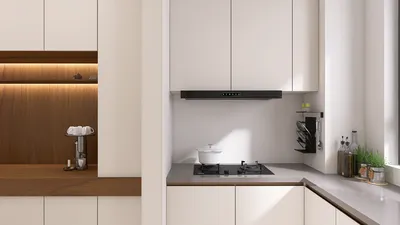


I once advised a neighbor to clear away their bushes to set up uplighting, as they yearned for a ‘mystery mansion’ ambiance during the night. While this created a striking effect from the street, it inadvertently flooded their sleeping cat with light. This experience taught me the importance of harmonizing dramatic aesthetics with everyday living. Designing facade lighting in small spaces invites immense creativity, making the process significantly enjoyable.
1. Multi-Layered Lighting: Integrating Wash, Accent, and Path
My strategy involves a three-layered lighting approach: broad wall washing to highlight textures, focused accent lighting to showcase architectural features, and soft path lighting for safety reasons. This method enhances depth and flexibility, allowing you to create either a cozy or dramatic atmosphere. The only minor hurdle is achieving coordination, as different fixtures should maintain a uniform color temperature and control to achieve that richly layered appearance.
save pin
2. Grazing to Enhance Texture
Utilizing grazing light near a facade effectively showcases materials such as brick, stone, or textured render. This technique works exceptionally well for upscale or rustic homes since shadows accentuate the richness of the materials. However, it's crucial not to overdo it; too many grazing fixtures can clutter the design and inflate installation expenses.
save pin
3. Silhouetting Using Backlighting
Positioning lights behind plants or slender elements produces captivating silhouettes against the wall. I applied this method in a narrow townhouse, enhancing drama without increasing lumen output. The key is careful fixture placement, which may sometimes require custom mounts to conceal the fixtures from view.
save pin
4. Intelligent Controls and Color Temperature Adjustment
Smart dimmers and tunable white lights enable transitions from warm, welcoming evenings to bright, cool accents during events. I usually recommend warm whites (2700–3000K) for living spaces and slightly cooler hues for modern facades. The trade-off, however, includes initial investment and the necessity for simple user presets to ensure clients don’t feel overwhelmed by the app's functionality.
save pin
5. Discreet Fixtures and Minimalist Aesthetics
For modern facades, I prefer using recessed and linear fixtures that blend in seamlessly during the day. This approach provides a clean, upscale appearance; however, installation can be intricate and may require wall inset work. Nevertheless, the end result is a beautifully seamless night appearance that captures stunning photographs.
save pin
Practical Advice
If you're eager to try out ideas before making a final decision, sketch various layouts and experiment with simulated setups. This approach saves you money and prevents restless nights for your cat. For crafting floor plans and mockups, I frequently utilize an online planner, such as Homestyler, which allows clients to visualize the placement and intensity of their lighting.
save pin
FAQ
Q1: Which color temperature is optimal for facade lighting?
A1: Warm white (2700–3000K) is the most inviting option for residences, while cooler temperatures (3500–4000K) complement contemporary commercial facades effectively.
Q2: How many lumens are necessary for facade washing?
A2: The required lumens rely on wall height and finish, but aim for fixtures that produce even coverage without hotspots; professional calculations can assist in determining this.
Q3: Is LED the best option available?
A3: Absolutely — LEDs are energy-efficient, offer a long lifespan, and provide tunable colors; it’s advisable to select quality drivers and IP-rated fixtures for outdoor use.
Q4: Can lighting be added to an existing facade?
A4: Typically, yes; however, minor drilling or brackets may be necessary, while recessed options could require more substantial modifications.
Q5: How do I minimize light pollution and avoid upsetting neighbors?
A5: Employ fully shielded fixtures, aim the light downward or toward the facade, and keep brightness at a moderate level using dimming controls. The Illuminating Engineering Society offers helpful guidelines on light trespass and shielding.
Q6: Should fixtures be visible during the day?
A6: Clearly visible fixtures can serve as design elements, but hidden fixtures can create a minimalist vibe. This decision typically hinges on budget and facade material.
Q7: When is using color-changing RGB appropriate?
A7: It's ideal for events or commercial facades but may appear gimmicky on residential properties — use it sparingly and with pre-set options.
Q8: How do I accurately plan fixture placement?
A8: Start with scaled elevations and mockups, and consider utilizing a 3D floor planner or facade visualization tool, such as Homestyler, to assess sightlines and effects accurately.
save pin


Homestyler is your go-to online platform for effortless home design. With its user-friendly design tool, stunning 3D renderings, and a treasure trove of DIY video tutorials, transforming your space into a dream home has never been easier. Explore and create today!
立即免费设计
































