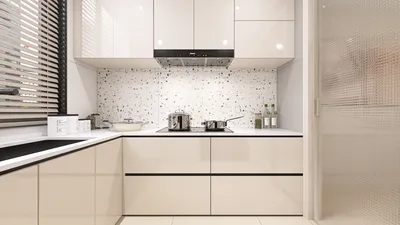


I once provided a client with an unreasonably low estimate for exterior painting, neglecting to factor in issues like rotten trim and the need for extra primer. This oversight led us to repaint an entire side mid-project, teaching me a crucial lesson. Minor exterior defects can drastically escalate costs. However, working on smaller homes alongside careful planning can lead to significant savings and innovative solutions. For instance, creating a 3D rendering of your home using tools like Homestyler before starting the project facilitated discussions with the homeowner. This allowed us to agree on coverage areas and complex details without needing ladders.
1. Measure accurately, never guess
My first step is to accurately calculate the paintable area: wall width multiplied by height, subtracting windows and doors. This straightforward calculation transforms vague estimates into precise figures that contractors can agree on, making the cost per square foot clear and understandable. One small hurdle may be irregular façades; if your home features numerous bays, gables, or dormers, anticipate a little extra time or consider professional measurement services.
save pin
2. Remember to prep and repair
Preparation of surfaces—such as scraping, power washing, sanding, and replacing rotten wood—can consume 20–50% of both time and cost for the entire project. I inform clients that achieving a flawless finish requires a solid foundation; skipping this vital step might seem tempting, but flaking paint or subpar caulk will force you to return for fixes sooner than expected. Fortunately, proper preparation enhances the longevity of your paint job, constituting a wise investment in future savings.
3. The quality, finish, and number of coats are significant
Opting for high-quality paints generally ensures better coverage, resistance to fading, and potentially fewer coats—which can reduce labor expenses. Choosing dark or very light colors might necessitate additional coats or tinted primer. I once suggested a mid-range acrylic primer that saved time, and it proved to be worthwhile. Although premium paint increases initial material costs, it often lessens the need for touch-ups down the road.
save pin
4. Access, height, and required equipment can raise costs
Working on a single-story bungalow is usually less expensive than tackling a two-story home with steep rooflines. The necessity for scaffolding, lifts, and safety equipment incurs additional labor and rental fees. I advise clients to evaluate the cost of hiring a professional with a cherry picker against those who rely on ladders for multiple days—often, the higher upfront fees are worth the speed and safety. Furthermore, using accurate tools, like those found in Homestyler, can help map out rooflines and elevations, ensuring precise measurements and avoiding unexpected costs.
save pin
5. DIY vs. hiring professionals—know the hidden costs
While taking on the job yourself can help save on labor costs, it brings risks including time investment, safety concerns, and potentially subpar finishes due to inadequate prep or application. I typically reserve DIY recommendations for small touch-ups or single sides; for comprehensive home projects, hiring a licensed painter provides warranties and efficiency. For clients interested in combining expert guidance with modern technology, leveraging AI home design insights via platforms like Homestyler can help visualize color schemes and project costs even before bidding begins.
FAQ
Q1: How can I estimate the square footage to paint?
Measure the width and height of each wall, multiply these for the area, and subtract the dimensions of windows and doors. For complicated façades, consider sketching elevations or using a measurement service to ensure accuracy.
Q2: What’s the normal cost per square foot?
Prices differ based on region and condition but generally range from $1.50 to $4.00 per square foot for labor and materials combined. The costs will rise with premium paints and extensive prep work. Always obtain at least three estimates tailored to your area.
Q3: How much does surface preparation add to the overall bill?
Preparation work can contribute an additional 20–50% to the project cost, depending on requirements like rot repair, caulking, and power washing. I recommend budgeting for unforeseen repairs, especially when examining older homes.
Q4: Are there off-peak seasons for reduced costs?
Scheduling your project in the off-season, such as late fall or early spring, may yield discounts, however, factors like humidity and temperature must be considered for effective curing. Timing can help economize, but not at the expense of paint performance.
Q5: Does the paint brand significantly influence cost-effectiveness?
Indeed—higher-quality paints typically offer superior coverage and longevity, decreasing the frequency of repainting and the overall lifecycle cost. I favor trustworthy brands that provide solid warranties, even if their upfront costs are higher.
Q6: Is it more economical to repaint just one side?
Only painting a single side may lower material and labor costs; however, setup and access fees can make this option relatively more expensive per square foot. It pays to compare quotes for one side against whole-house pricing to assess value.
Q7: Where can I find trustworthy national average cost information?
HomeAdvisor regularly publishes updated national averages and ranges for exterior painting jobs. It's a good idea to consult HomeAdvisor for the most current figures and detailed breakdowns. (Source: HomeAdvisor, https://www.homeadvisor.com/)
Q8: How can I avoid being offered a lowball estimate?
Request itemized quotes, verify references, and review photos of completed work. Ensure contractors detail preparation, the number of coats, and warranty options. If a bid appears too good to be true, it likely is—I've walked away from low offers that cut corners and ultimately led to greater expenses for clients later on.
save pin
Discover the magic of home design with Homestyler! This user-friendly platform offers a robust online design tool, stunning 3D renderings, and a wealth of design projects and video tutorials. Whether you’re a beginner or a seasoned pro, Homestyler makes it easy to create your dream space.
Desain sekarang Gratis
































