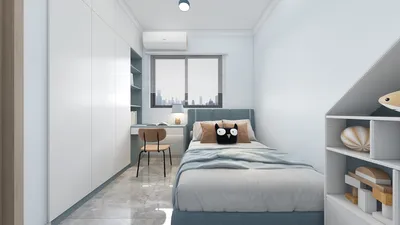


I once agreed to assist a friend in choosing paint colors for their bungalow, only to find myself repainting an entire porch when a simple "accent" color transformed into a comprehensive makeover—this taught me that minor ideas can escalate quickly. While we were sketching, I also showcased a room planning case to illustrate how color impacts the perception of scale, which triggered our entire design plan.
I firmly believe that smaller spaces and limited budgets often inspire the greatest creativity. In this article, I'll guide you through the projected costs of exterior house painting and present five design inspirations that allow you to manage expenses while achieving remarkable results using platforms like Homestyler.
1. Understand the realistic cost ranges first
For most single-story houses, anticipate costs around $1,500 to $7,000 depending on their size, type of siding, and preparation needs; two-story residences generally fall between $3,000 and $12,000. Key elements include surface preparation, repairs, and paint quality—while opting for less expensive paint can lower immediate costs, it may lead to higher long-term expenses due to more frequent repainting, whereas premium paints tend to last longer and resist mildew effectively.
Advantages: this knowledge allows for better planning and helps you avoid unexpected expenses. Challenge: exact estimates can differ by region and contractor availability, so it’s crucial to obtain multiple quotes.
save pin
2. Employ a color strategy to limit project scope
Choosing a darker trim or a forgiving mid-tone body color can conceal imperfections, minimizing the amount of scraping and patching required. I’ve helped clients save money by suggesting tones that require less prep work, rather than opting for a bright white that necessitates impeccable priming.
Pros: less labor and quicker completion. Cons: you may have to compromise on your ideal color—consider using high-quality primers in small areas to selectively test bold shades.
save pin
3. Schedule your project for lower labor costs
Planning painting projects during shoulder seasons—late spring or early fall—can significantly reduce costs due to fewer bookings among contractors. I once assisted a homeowner in shifting their project two weeks earlier, and they saved several hundred dollars on both labor and the time required to finish.
Tip: avoid painting during extreme temperatures or rainy weather; the costs of rework can accumulate rapidly.
save pin
4. Combine smaller renovations to spread fixed costs
If you’re also enhancing a porch or landscaping, consider bundling these tasks to share costs associated with scaffolding, permits, or site setup. For instance, when one client referred to a floor plan creator, it helped coordinate painting, deck staining, and lighting in one project—resulting in significant savings on mobilization.
Benefits include improved curb appeal and reduced mobilization fees. Caveat: coordination requires a clear schedule and might necessitate a project manager if multiple trades are involved.
save pin
5. Assess the need for professional help and leverage technology
You don’t always require a full crew for every surface. I often suggest hiring professionals for challenging, hard-to-reach, or intricately detailed trim work while handling accessible walls yourself. Additionally, utilizing virtual mockups and AI tools can help you experiment with color combinations without incurring repainting costs; I once showcased an AI design simulation to present various schemes to clients efficiently.
Pros: overall lower costs and fewer surprises. Downside: DIY projects still demand time and a learning curve—ensure you factor your labor value into the budget.
save pin
FAQ
1. What is the average cost per square foot for painting a house exterior?
Typically, exterior painting costs range from $0.75 to $3.50 per square foot, influenced by preparation and paint quality. Complex siding or extensive preparation can elevate costs toward the higher end.
2. How much do paint and materials contribute to the estimate?
The cost of paint and materials usually accounts for 20 to 40% of the total expense; premium paints and specialty primers may increase this share but prolong lifespan and decrease maintenance frequency.
3. Is it truly cheaper to paint DIY?
DIY can save on labor but often consumes more time and risks uneven results. For single-story, easily accessible surfaces, it's a viable option; for two-story homes or intricate trim details, I typically recommend hiring professionals for safety and quality.
4. How frequently should exterior paint be refreshed?
With proper preparation, most quality paints last between 5 to 10 years on siding and 7 to 15 years on trim. Factors such as climate and sun exposure greatly influence this timeline.
5. Are permits required for painting my house?
In most cases, painting does not require a permit, but changes to siding, erection of scaffolding in public easements, or alterations to historical exteriors might be subject to local regulations—always check with your municipality.
6. How significantly does surface preparation affect the final bill?
It can have a considerable impact. Extensive scraping, lead paint remediation, rot repairs, or power washing can add hundreds or even thousands to your total costs; always ensure you receive a detailed estimate for preparation.
7. Where can I find dependable cost data?
For national averages and detailed breakdowns, industry resources like HomeAdvisor offer updated cost guides based on recent contractor data. HomeAdvisor states that average exterior painting costs typically fall within the mid-thousands range, influenced by size and preparation needs.
8. How can I obtain accurate contractor quotes?
Request itemized bids from contractors, verify references and samples of similar work, and confirm warranties. By comparing at least three estimates, you can identify outliers and make a more informed decision.
save pin
Homestyler is the ultimate online home design platform for anyone looking to transform their space. With its user-friendly design tool, stunning 3D renderings, and a wealth of DIY video tutorials, you can easily create and visualize your dream home. Start designing today!
Desain sekarang Gratis
































