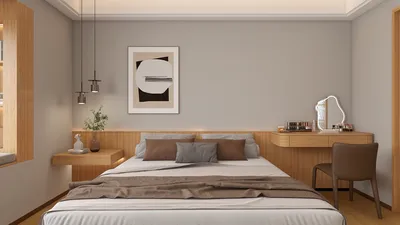


Exporting 3D models from Mineimator is a simple yet effective process that enables users to utilize their creations in various software applications or present them in different formats. Firstly, ensure that your model is complete within Mineimator. Head over to the “File” menu and select “Export,” or opt for the “Export as .obj” function if you're aiming for a commonly used 3D file format. You'll be prompted to choose a destination folder and configure export settings like textures and scale. After exporting, you will receive a 3D object file (.obj) along with any associated texture files, ready for use in other 3D applications such as Blender, Unity, or design tools. As a designer, I recognize that exporting your model is merely the first step. Creating a visual presentation is vital, particularly when incorporating models into virtual settings or sharing them with clients. This is where advanced rendering tools become essential. For instance, utilizing a 3D Render Home workflow can enhance your exported Mineimator models through the addition of realistic textures and lighting, helping your designs to shine in any interior design showcase.
Tips 1:
Before initiating the export, verify that all textures are correctly mapped and materials assigned to save yourself time during subsequent editing. It's also wise to keep backups of both your Mineimator files and the exported objects for quick edits or format adjustments.
FAQ
Q: What file formats can Mineimator export?
A: Mineimator primarily allows the exportation of .obj files for 3D models, which are compatible with most design software.
Q: Is it possible to export animations from Mineimator?
A: Mineimator does support animation exports; however, only static objects are included in the .obj file format for 3D model exports.
Q: Are textures included with the exported 3D model?
A: Yes, textures are usually exported as separate image files that accompany the .obj model.
Q: Can I use the exported Mineimator models in Blender?
A: Absolutely, .obj files produced by Mineimator can be imported into Blender and other significant 3D design applications.
Q: What can I do to resolve texture issues after exporting?
A: Ensure that texture paths and image files are assigned correctly. There may be instances where you need to relink textures in your new 3D software. For an efficient design experience, considering tools like Homestyler can facilitate this process, making your workflow smoother.

Minimalist Solid Oak Fluted TV Stand with Black Metal Legs 3D Model
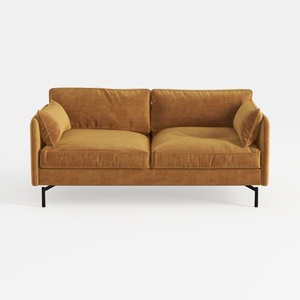
Modern Velvet Upholstered 2 Seater Sofa With Black Metal Legs 3D Model
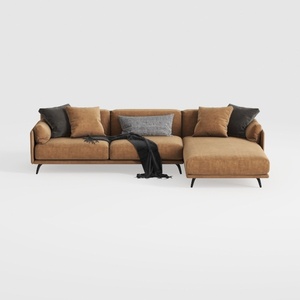

Coaster Home Furnishings - Camacho - Upholstered C
Discover the creativity of home design with Homestyler! This user-friendly platform boasts an advanced online design tool, stunning 3D renderings, and a wealth of inspiring design projects and DIY video tutorials. Transform your space effortlessly and unlock your inner designer today!
Design jetzt kostenlos
































