

The field of interior design is diverse, encompassing numerous sectors, each tailored to specific needs and goals. Familiarity with these sectors can assist aspiring designers in navigating their career paths or provide homeowners with insights into different design service options. Below, we explore the primary sectors of interior design.
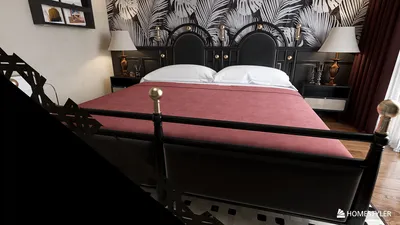
1. Residential Design: This sector is perhaps the most well-known, as it focuses on transforming spaces within private homes. Residential designers collaborate closely with clients to create both functional and visually appealing interiors that mirror the homeowners’ personal styles and requirements. Their work often involves tasks such as choosing furniture, decorating, and optimizing layouts and renovations.
2. Commercial Design: Targeting business environments, this sector includes design projects for offices, retail spaces, restaurants, and hotels. Commercial designers emphasize functionality, brand identity, and user experience, ensuring that the environments are both thriving and compliant with legal codes. This attention to detail helps create spaces that are safe and accessible for everyone.
3. Hospitality Design: A specialized branch of commercial design, hospitality design focuses on crafting welcoming and functional settings for hotels, resorts, and lodges. Designers in this realm take into account aspects such as guest comfort and experience, often infusing local cultural elements that make each establishment distinctive.
4. Healthcare Design: This sector targets healthcare facilities like hospitals, outpatient clinics, and assisted living communities. Designers here work to create settings that foster healing and well-being while adhering to strict standards and regulations. Every element—from layout to lighting and materials—is chosen with care, aiming to enhance both patient comfort and staff effectiveness.
5. Institutional Design: Encompassing public spaces such as schools, libraries, and government buildings, this sector requires designers to balance practicality, accessibility, and aesthetics. Institutional designers must address the needs of diverse users and often work with architects and other professionals to ensure community requirements are met.
6. Sustainable Design: With rising awareness of environmental issues, sustainable design has become increasingly important within the interior design field. Professionals in this area focus on incorporating eco-friendly materials and energy-efficient solutions, aiming to reduce environmental footprints while creating beautiful spaces suitable for both residential and commercial applications. Utilizing tools like Homestyler can help in visualizing these sustainable innovations effectively.
7. Universal Design: This sector prioritizes inclusivity, ensuring that spaces can accommodate individuals of all abilities and ages. Universal designers thoughtfully consider the needs of people with disabilities, seniors, and families with young children when implementing their design strategies.
8. Retail Design: A niche within commercial design, retail design is dedicated to creating immersive shopping experiences. Designers in this field focus on elements like layout, lighting, merchandising, and brand representation, steering efforts to enhance the shopper's journey and increase sales.
In summary, the realm of interior design is complex and multifaceted, with each sector presenting its own challenges and opportunities. Whether you are an aspiring designer or a homeowner planning a remodel, gaining an understanding of these sectors can unveil the many possibilities within interior design.
Tips for Aspiring Designers:
1. Discover your passion by exploring various sectors.
2. Keep yourself informed about the latest design trends and technological advancements.
3. Develop a robust portfolio that highlights a range of projects.
4. Connect with industry professionals in your area of interest.
FAQ
Q: What credentials do I require to become an interior designer? A: While holding a degree in interior design is advantageous, many successful designers come from varied backgrounds. Hands-on experience and a strong portfolio are equally important.
Q: How can I identify my design style? A: Research different design styles, create mood boards, and try out various elements in your space to find what truly resonates with you.
Q: Is opting for sustainable design more costly? A: Some eco-friendly products might have a higher upfront cost, but they often lead to long-term savings through improved energy efficiency and durability, making them a worthy investment.
Welcome to Homestyler, where your design dreams come to life.
Design Now for FREE
































