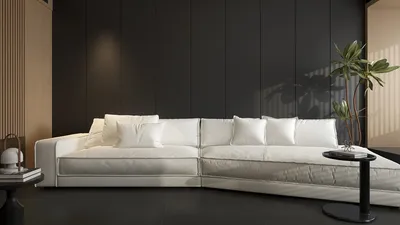


3D waterproof wallpaper has evolved beyond a simple trend. I leverage it to introduce layered textures, camouflage minor wall flaws, and provide a robust, easily cleanable surface designed for daily wear and tear. In living spaces, it adds visual interest without overwhelming the decor, while its moisture-resistant backing maintains seam integrity during seasonal humidity changes, a frequent concern in many residences.
Durability and comfort are grounded in solid data. Research from Steelcase connects tactile and visually engaging environments with enhanced comfort and well-being, leading to extended time spent in communal areas and increased social interactions. On the performance front, WELL v2 emphasizes the importance of surface cleanliness and low-emitting materials for healthier indoor settings, underscoring the significance of cleanable, certified finishes for everyday use. These insights guide me in selecting textured and easy-to-clean wall coverings that boost comfort while minimizing upkeep requirements.
Living rooms serve as versatile gathering spaces for conversations, reading, streaming, and occasional work. Choosing the ideal 3D wallpaper can effectively define these different activities. According to Verywell Mind’s analysis of color psychology, blues and greens have calming effects, while warm neutrals enhance social interactions. I enjoy combining these colors with subtle texture patterns to create a serene environment, making feature walls behind couches or TV units stand out. If you're experimenting with layouts before making final decisions, a room design tool like Homestyler can visualize how textures and patterns will appear from key seating areas.
Exploring the Advantages of 3D Waterproof Wallpaper
• Enhanced visual depth without extensive renovations: Raised or embossed designs create shadows that mimic architectural details.
• Improved concealment: Textured patterns help mask minor wall imperfections and repair marks.
• Easy-to-clean surface: Waterproof finishes repel splashes from pets, children, or plants, allowing for straightforward maintenance with mild soap.
• Reliable seams: Moisture-resistant backings ensure edges stay tight in fluctuating humidity levels common in living areas adjacent to kitchens or terraces.
• Sound absorption: While not a substitute for acoustic panels, multi-layer wallpapers can soften mid-high frequencies, minimizing harsh reflections from drywall surfaces.
• Quick transformation: Achieve a look similar to wood paneling without the delays and expense associated with traditional materials.
Choosing Patterns and Colors for Practical Use
Texture captures attention; balance ensures tranquility. I prefer medium-relief designs (2–4 mm) for living rooms—offering enough depth for a tactile effect while avoiding deep grooves where dust accumulates. In smaller spaces, opt for finer, low-contrast designs to prevent visual clutter. To visually widen rooms, implement horizontal linear patterns; utilize vertical ribs to create the illusion of height. In terms of color, keep larger surfaces desaturated while allowing accent cushions, art, and throws to showcase more vivid tones, thus letting the wallpaper ground the overall color scheme.
Material Considerations
• Vinyl-coated non-woven (VNW): Balances durability with breathability; the non-woven base aids in later removal.
• Solid vinyl: Offers maximum cleanability and stain resistance; typically heavier and more adept at achieving deep 3D textures.
• Alternatives free from PVC: Consider olefin or polyester coatings for similar cleanability while reducing PVC usage.
• Adhesives: Opt for mildew-resistant, low-VOC pastes; ensure compatibility with the wallpaper's backing. WELL v2 promotes low-emitting products to enhance indoor air quality.
• Fire safety and tear strength: Always verify manufacturers' data sheets for residential code compliance, especially near fireplaces.
Ergonomics and Visual Comfort
High-contrast, high-frequency patterns can lead to visual fatigue during extended viewing. To maintain a calming living area, avoid bold geometric repeats behind the television; instead, softer, larger patterns can diminish visual distractions. When sunlight hits textured surfaces, glossy finishes may produce glare. I recommend using matte or eggshell finishes for media walls, reserving semi-gloss for highlighting niches. Following IES guidelines for living spaces, aim for layered lighting with ambient levels between 100–300 lux while keeping the color temperature in the 2700–3000K range during evenings to foster a warm, inviting atmosphere.
Strategic Placement
• Focal wall behind the sofa: This is the safest bet, as sightlines typically converge here during conversations.
• Media wall: Utilize low-gloss, medium-relief textures to minimize glare and moiré patterns on screens.
• Entryway transition: A textured panel near the entrance of the living room sets a designed tone and beautifully frames the view inward.
• Half-height installations: Pair a 3D wallpaper above a slim chair rail to echo traditional panelling designs and keep costs manageable.
Installation Recommendations
• Surface preparation: Sand, prime, and allow to dry completely. Textured surfaces amplify shadows; any imperfections will be highlighted.
• Aligning patterns: It's crucial to mark centerlines and check patterns before installation. Embossed textures make misalignment glaringly obvious.
• Cutting and seams: Employ fresh blades and light pressure to avoid compressing textures at cuts. Utilize double-cut seams for seamless joins on thicker vinyl materials.
• Optimal climate: Ensure installation occurs within 18–24°C and moderate humidity; environmental extremes can affect adhesion and lead to seams curling.
Maintenance and Longevity
Waterproof does not equate to invulnerability. Promptly wipe spills with a soft cloth; steer clear of harsh solvents that may dull the textures. Establish a routine for quarterly dusting using a gentle brush or microfiber cloth to keep patterns looking sharp. In cases of damage, many non-woven backings facilitate partial removal and patching. Always keep extra rolls for consistent color matching.
Sustainable Choices
Explore PVC-free coatings and substrates made from recycled fibers. Seek third-party emissions testing or certifications. Combine with low-VOC adhesive systems to support indoor air quality. Textured wallpapers can also delay the need for repainting, thus reducing waste over the lifecycle.
Budgeting and Value
Premium 3D waterproof wallpapers may carry a higher cost per roll than flat options, but they justify the expense through durability, impactful aesthetics, and easier maintenance. If planning upgrades progressively, focus first on the focal wall, followed by lighter accent areas. Using an interior design tool like Homestyler helps visualize how a single wall treatment can shift the room’s balance before ordering additional rolls.
Design Workflow
I develop design schemes using sample boards that feature a large swatch of wallpaper under both warm (2700K) and neutral (3000–3500K) lighting, placed alongside fabric and wood finishes. This approach illustrates how textures will read throughout the day. If the seating arrangement is still being finalized, a layout simulation tool can assist in determining optimal sightlines and how the focal wall should coordinate with natural seating patterns.
Frequently Asked Questions
Absolutely—select a matte or eggshell finish along with medium-relief patterns to minimize glare and moiré effects. Maintain lighting levels around 100–300 lux as per IES guidance for living rooms to reduce reflections.
Not if the design features low-contrast and mid-scale details. Vertical ribbing can enhance perceived height, while horizontal lines can create a sense of width. Calmer shades can also help prevent visual clutter.
Thanks to waterproof coatings, gentle cleaning with diluted soap is possible. Avoid abrasive materials and strong solvents that can flatten or discolor textures.
Certainly—thanks to moisture-resistant backings and appropriate adhesives, seam stability is maintained. Ensure moderate indoor humidity levels during installation and curing for optimal performance.
It can slightly diffuse mid-high frequencies, softening harshness in hard-surface environments. For significant noise reduction, layer rugs, upholstered furniture, and curtains.
Warm neutrals, soft greens, and gentle blues are effective choices. Verywell Mind highlights these tones for their calming and sociable effects, making them suitable foundational colors for layered decor.
Align the feature wall with the primary viewing line—generally behind the sofa. If your layouts are still changing, use a room design visualization tool to test various options before purchasing materials.
Modern PVC-free options (olefin, polyester blends) can also provide similar cleanability and stain resistance. Always check abrasion and tear ratings on product specifications.
Definitely. Implementing a half-height panel with 3D wallpaper above creates rhythm and depth without the need for full millwork. Pay attention to trim details for a clean finish.
With proper care, a lifespan of 7–10 years is typical in living rooms. It's smart to keep spare rolls available for repairs and color consistency in case patches are needed.
Warm lighting (2700–3000K) enhances depth and warmth, while neutral lighting (3500K) can make textures appear crisper yet cooler. Test samples in both light types before finalizing your choice.
Check the fire rating of the wallpaper and maintain safe distances from direct heat sources. Most residential-rated products are acceptable on adjacent walls with typical ambient temperatures.

Bohemian Rattan Round Coffee Table 3D Model

Minimalist Boucle Fabric Tufted Sofa 3D Model
Minimalist Fabric Wooden Legs Sofa 3D Model
Looking to transform your space? Try Homestyler! This user-friendly online home design platform offers an innovative design tool, stunning 3D renderings, inspiring design projects, and helpful DIY video tutorials. Perfect for all skill levels, it'll make your home design dreams a reality!
Progetta ora GRATIS
































