

Overview
- Historical floor plans showcase unique designs that cater to various practical needs, including spacious dining rooms, inviting reading nooks, and kitchens from the 19th century that are distinctly separate from dining areas.
- Analyzing these historical layouts can catalyze innovative modern design concepts, allowing designer to blend contemporary conveniences with the charm of original features and enhance spatial efficiency.
- Notable characteristics often found in these plans include lofty ceilings, elaborate moldings, and intentional room functions, highlighting craftsmanship that frequently lacks in today’s designs.
Old building floor plans offer enthralling insights into previous architectural styles and the living experiences of those times. These plans not only reveal the design preferences of historical eras but also mirror the needs of those who inhabited these spaces. Each layout, whether from a Victorian estate or a traditional colonial house, possesses its own distinctive traits. By studying these blueprints, we can draw inspiration for contemporary design solutions while recognizing the artistry of the past, with tools such as Homestyler making this process accessible.
Exploring Historical Building Layouts
Historical floor plans often demonstrate recognizable layouts and room distributions, featuring expansive dining spaces for social gatherings or cozy corners designed for reading. Many of these structures were constructed with specific purposes in mind, enhancing our understanding of historical lifestyles. For instance, a considerable number of 19th-century homes include kitchens that are separate from dining areas, showcasing the culinary customs of their time.
Advantages of Examining Old Building Floor Plans
There are numerous advantages to examining historical building floor plans. These designs can provide valuable inspiration for modern architectural endeavors, especially for those considering renovations or restorations of historical locations. By dissecting these layouts, architects can incorporate contemporary features while maintaining the original charm. Moreover, delving into these details may inspire innovative ideas for space optimization in today’s residences.
Key Attributes Found in Old Floor Plans
Prominent attributes in historical building plans commonly feature elevated ceilings, detailed moldings, and designated room functions. Many older residences underscore craftsmanship with ornate woodwork and intricate details often overlooked in modern architecture. These characteristics can be fundamental for those aiming to fuse historic appeal with current functionality, and tools like Homestyler can aid in visualizing these kinds of designs.
Frequently Asked Questions
What are some widely recognized styles of historical floor plans? Common architectural styles include Colonial, Victorian, and Craftsman, each offering its own unique design characteristics.
How can I recreate a historical floor plan? Analyzing old plans and utilizing digital tools such as floor planners can assist in achieving this goal effectively.
Welcome to Homestyler: Your top choice for Floor Planning

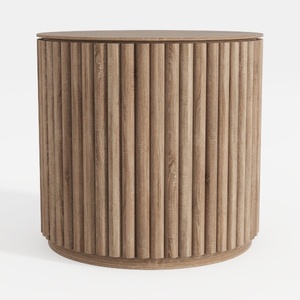
Fluted Storage Cabinet, 31.5“ Wooden Sideboards
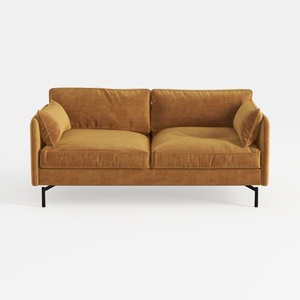
Modern Velvet Upholstered 2 Seater Sofa With Black Metal Legs 3D Model
Looking to transform your space? Homestyler is your go-to online home design platform! With its user-friendly design tool, stunning 3D renderings, diverse design projects, and informative video tutorials, you'll unleash your creativity and design your dream home effortlessly.
Desain sekarang Gratis
































