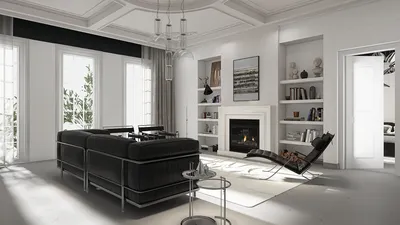


In a memorable project, I transformed a client's tiny shoebox studio with an all-white palette that, surprisingly, even deterred the cat from lounging there. This experience taught me that while white primer paint can be stunningly effective, it needs to be part of a thoughtful design strategy. For that particular job, I instilled warmth through rich textiles and a miniature gallery wall to sidestep the often-encountered ‘hospital chic’ aesthetic. If you're curious about how starting with a white-forward approach altered the space, take a look at this real kitchen I planned to optimize natural light flow.
Tackling small areas requires careful choices, and starting with a white primer offers a versatile foundation. In the upcoming sections, I will share five actionable ideas for employing white primer paint on walls—each one derived from real-life jobs, complete with budget tips and potential obstacles, empowering you to replicate these techniques at home.
1. Light Base, Layered Comfort
Consider using a white primer as a base brightener before applying a delicate color wash or translucent glaze. This initial layer enhances color retention, especially on older plaster surfaces. The benefit is that spaces feel more expansive and every color coat appears more vibrant. However, be mindful—pure white may give off a chilly vibe, so it's wise to plan for warmer textiles, wooden accents, or a single vibrant wall to add dimension.
save pin
2. Bright Corners: Choose Sheen Wisely
Applying a white primer with a slightly elevated sheen in challenging corners can help reflect light into darker spaces. I often use a low-sheen white for ceilings and upper walls, while opting for satin on trims or door frames to achieve gentle reflections. The advantages include easier maintenance and an illusion of increased space; however, be aware that sheen can highlight imperfections, making proper surface preparation vital.
save pin
3. Highlight Trim and Nooks
By priming the walls in white and painting trim in a complementary cooler or warmer shade, you create a striking contrast that exudes sophistication. I applied this technique in a small guest bathroom; the white primer made the floating shelves and beadboard appear crisp. This same method successfully delineated a compact entryway that required a visually pleasing separation. If you're contemplating a shower or small wet area, take a look at this bathroom renovation that inspired my design approach.
save pin
4. Texture First: Primer Then Tactile Touches
Start with a white primer before introducing a micro-textured finish, such as lime wash, trowel work, or subtle plaster. This method allows for warmth without overwhelming color. The primer regulates how well these textures adhere; the real benefit is injecting personality into the room without cluttering it. Just note that textured options can be more expensive and might need a proficient applicator.
save pin
5. Test Light with a Quick Visualization
On occasion, I prime an entire room with white and live with it for about a week before committing to a color. This is the most budget-friendly mockup you can create. Combine this hands-on trial with a fast 3D rendering, like those you can create with Homestyler, to visualize furniture placement and light flow. This approach has saved me from multiple costly repaint endeavors on various apartment projects.
save pin
Tips:
When renovating a space you'll be living in during the drying time, opt for a high-quality low-VOC white primer. Often, a single coat of a high-opacity primer can outperform several layers of less expensive options, making it worth the investment in key areas (surface prep is crucial). If you're on a tight budget, focus on priming visible walls first and defer hidden surfaces for later—this way, you can still benefit from true color representation.
save pin
FAQ
Q1: What distinguishes white primer paint for walls from regular white paint?
A: Primer is specifically designed to seal surfaces and enhance adhesion, whereas topcoat paint serves to add color and durability. Utilizing primer initially can yield truer final colors and often minimizes the number of topcoats needed.
Q2: Is it acceptable to skip primer if I’m using a paint-and-primer combo?
A: While paint-and-primer in one can work well on previously painted smooth surfaces, I still suggest using a dedicated white primer for new drywall, stained walls, or significant color changes due to its reliability.
Q3: Is white primer effective for small rooms?
A: Definitely—white primer brightens and creates a sense of spaciousness in smaller areas, making them feel more open and clean. It's important to counterbalance it with warm accents or finishes to avoid a clinical atmosphere.
Q4: How long should I wait between applying the primer and the topcoat?
A: Drying durations can vary, but most water-based primers require 1–4 hours to be touch-dry and around 24 hours to fully cure. Always check the manufacturer's instructions for the best outcome.
Q5: Are there health risks associated with primer fumes?
A: Yes, some primers contain volatile organic compounds (VOCs) that may impact indoor air quality. It's wise to select low-VOC primers and ensure proper ventilation during application. Visit EPA resources for VOC guidance (https://www.epa.gov/indoor-air-quality-iaq/volatile-organic-compounds).
Q6: Can primer conceal stains and odors?
A: Specific stain-blocking primers can effectively seal unwanted marks from tannins, smoke, or water, but regular white primers might not manage heavy stains—opt for a stain-blocking variant when necessary.
Q7: What sheen level should I select for primer?
A: Primers commonly come in flat to satin finishes. Flat primers are good for hiding imperfections, while satin finishes assist with adhesion in high-traffic areas. The sheen of the topcoat has a greater influence on cleanability than the primer's sheen.
Q8: Does primer assist with paint coverage and costs?
A: Indeed, primer creates a consistent absorption surface, meaning you’ll require less paint for color coats, ultimately lowering costs for materials and labor over time.
save pin
Originally incubated at Autodesk, Homestyler has grown into one of the most widely adopted home design platforms in the world, now trusted by over 18 million users. Whether you're a homeowner exploring ideas or a professional designer delivering client-ready renders, Homestyler brings industry-leading 3D technology to your fingertips — no experience required.
If you're looking to transform your space effortlessly, Homestyler is the ideal platform for you. With its user-friendly online design tool, stunning 3D renderings, and a wealth of design projects and DIY video tutorials, you can easily unleash your creativity and design your dream home!
Design jetzt kostenlos
































