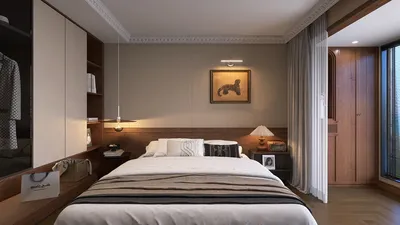


One time, I found myself inadvertently painting the living room of an entire apartment in a sage hue that looked stunning in daylight but resembled a swamp come evening—an unforgettable lesson learned at 2 AM over coffee stains on my shirt. I salvaged the ambiance by mapping out furniture and lighting placements, what I refer to as my quick room sketch, and ultimately, the sage transformed from a sulky shade to a vibrant backdrop.
1. Combine sage with warm wooden accents
The feeling of sage wall paint is akin to a gentle embrace when paired with oak or walnut. This soft green hue beautifully balances the depth of the wood, fostering a cozy, homely atmosphere that thrives particularly well in intimate living areas or compact kitchens.
Benefit: it remains timeless and forgiving. Drawback: certain wood types may cause sage to appear too yellow—it's best to test swatches at various times throughout the day.
save pin
2. Utilize sage as a backdrop for bold accents
In a compact apartment I designed, a sage accent wall allowed black metal shelving and white ceramics to stand out without overwhelming the space. In this setting, sage acts as a softer neutral compared to gray, providing warmth and character.
This approach is ideal for achieving a dramatic flare while maintaining tranquility. Just be careful not to overcrowd the space with competing hues—sage is best appreciated as the serene centerpiece.
save pin
3. Define areas using two shades of sage
For elongated open layouts, I often opt for a deeper sage on a feature wall and a lighter variant on adjacent walls, which visually delineates spaces without creating bulk. Furthermore, I draft a kitchen workflow map that aligns painted zones with movement patterns, ensuring everything flows seamlessly.
Advantages: it's subtle and stylish. Disadvantages: matching the undertones with your lighting can be tricky—always bring larger samples home for accurate assessment.
save pin
4. Introduce texture to elevate the hue
Sage on smooth surfaces gives a different effect compared to sage on textured surfaces like plaster or beadboard. On one project, I had a client with a keen interest in tactile experiences, so we applied limewash over sage for a soft, layered appearance that concealed minor imperfections in an older apartment.
Texture enhances depth and conceals wear, though it may complicate future repainting—prepare for slightly elevated costs in labor and materials.
save pin
5. Manipulate mood using lighting and decor
Using warm bulbs imbues sage with a cozier ambiance, while cooler bulbs accentuate the green. In a petite bedroom, I matched sage walls with linen textiles and brass fixtures, always previewing the final effect in realistic 3D views before suggesting finishes.
Lighting truly is the secret ingredient—once perfected, even the simplest applications of sage can appear intentional and luxurious.
save pin
Tips 1:
Always use large paint samples and assess them in both morning and evening light. Tape samples on different walls as the same color can look varied near a window compared to by the bed.
save pin
FAQ
Q1: Is sage wall paint suitable for smaller rooms?
Definitely. The muted green tones of sage provide a sense of depth without contracting the space, making it perfect for tiny areas when balanced with light-colored furnishings and adequate lighting.
Q2: Which colors complement sage best?
Warm woods, soft creams, muted terracottas, and brushed metals all beautifully enhance sage. I tend to avoid overly bright neons, as they clash with the calm essence of sage.
Q3: Is matte or eggshell finish preferable for sage walls?
Eggshell or low-sheen finishes are forgiving and easy to maintain in living spaces; while matte is elegant, it’s prone to showing marks more visibly.
Q4: How can I properly test sage in my space?
Paint larger swatches on various walls and evaluate them throughout the day. I also recommend using sketches or digital mockups like Homestyler to ensure the color harmonizes with your furniture arrangement.
Q5: Can sage be used effectively in both modern and traditional designs?
Absolutely. Sage's versatility allows it to suit modern aesthetics with clean lines and minimal decor, while also fitting traditional styles with layered textiles and vintage furnishings.
Q6: Is sage a trendy option or a reliable classic?
Sage maintains steady popularity as it combines modernity with grounded characteristics. It’s not merely a trend; rather, it's a timeless choice that works beautifully in various homes.
Q7: Will sage create a cold atmosphere in a room?
It can, particularly when paired with cool lighting and chrome details. To mitigate this chill, incorporate warm woods, brass highlights, or warm-white bulbs.
Q8: Where can I find expert advice on color choices?
Companies like Sherwin-Williams offer valuable color trend insights and practical advice; their resources provide guidance on undertones and complementary shades for selecting greens.
save pin
Homestyler is your go-to online home design platform! With its easy-to-use design tool, stunning 3D renderings, and a wealth of DIY video tutorials, you can effortlessly create and visualize your dream space. Start your design journey today and transform your home with confidence!
Progetta ora GRATIS
































