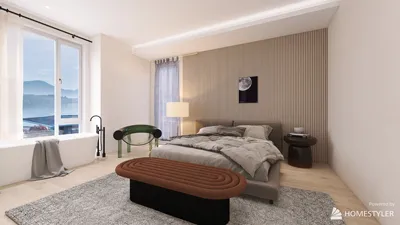


During a project, I once made the mistake of spraying the incorrect color in a client's compact studio, resulting in paint drifting onto the neighbor's new curtains like confetti. This taught me a valuable lesson about the importance of proper masking. In that moment of panic, I utilized real-time layout previews to assure my client that we could enhance the ambiance with a better color strategy. What started as a minor disaster became one of my favorite transformations in a small space, thanks to tools like Homestyler.
Working in small spaces challenges your creativity: a wall painting sprayer can quickly provide an even coat, but it also compels you to consider edges, furniture arrangement, and how light interacts with various surfaces. Here, I will discuss five pragmatic ideas I employ in my projects — each with its praises, potential pitfalls, and a helpful tip to save on time and expenses, often leveraging resources like Homestyler for visual planning.
1. Color Zoning Using a Sprayer
Employ a sprayer to craft subtle zones within an open-plan tiny apartment — for example, a slightly darker hue behind the bed contrasted with a lighter shade near the kitchenette. The sprayer ensures swift and smooth transitions; however, precise masking is crucial to prevent paint from bleeding into unintended areas. Pro tip: utilize painter's tape accompanied by kraft paper, and aim for a slow, even spray pass to achieve clean results.
2. Ombre Accent Walls
Ombre effects offer a forgiving yet stunning aesthetic in small rooms, and sprayers make the gradient blending process both simple and professional. This technique is perfect for adding drama without overwhelming a space. Be mindful of possible over-saturation near baseboards; a gentle sanding between coats can help the colors blend seamlessly.
3. Horizontal Stripes for Illusion of Space
Incorporating horizontal stripes can trick the eye into perceiving greater width — sprayers allow for quick application of flat bands more easily than traditional rollers. While this method boasts advantages in speed and consistency, the initial setup requires careful measurement and leveling. My recommendation: use a laser level along with pre-cut masking sheets to streamline the setup process.
With complex projects, I frequently combine wall treatments with layout studies and intricate kitchen designs, particularly where walls meet cabinetry. Visualizing scale prior to spraying can help to prevent costly revisions. Check out some of my preferred kitchen layouts on Homestyler to see how different painted areas interact with storage solutions and countertops.
4. Textured Spray Finish for Added Dimension
Lightly textured sprays offer depth without the bulk of added materials; they're particularly effective behind slender sofas or floating desks. These textures can obscure imperfections, though they may be challenging to touch up flawlessly. I advise testing on a scrap piece and keeping leftover mixed paint labeled for future fixes.
5. Flexible Chalkable Panels Using a Sprayer Base
Design a removable chalkboard panel by applying a smooth, matte primer with a sprayer, followed by a layer of chalkboard paint on a framed section. This feature is ideal for renters and children — it provides customization while remaining temporary. A sprayer facilitates fast primer application; however, this comes with the need for careful masking and a steady hand for edge finishing.
FAQ
Q1: Are wall painting sprayers effective in small spaces?
A1: Absolutely — sprayers deliver smooth, quick coverage that's perfect for compact areas. They minimize roller marks and can save you time, but require meticulous masking to manage any overspray.
Q2: What type of sprayer do you suggest?
A2: For most indoor walls, I prefer using either an HVLP or airless sprayer, depending on the desired finish; HVLP provides better control, while airless is quicker for larger flat walls.
Q3: How can I avoid overspray in tight spaces?
A3: Seal off adjoining spaces with plastic sheeting, utilize painter’s tape and kraft paper, and either remove or cover furniture. Tackling smaller areas one at a time will help maintain a controlled spray pattern.
Q4: Can I use a sprayer over pre-existing textured paint?
A4: Yes, but the existing texture may be visible unless you smooth it out first. For prominent textures, consider skim-coating or selecting a texture that complements the existing surface.
Q5: What safety precautions should I follow?
A5: It’s wise to wear a respirator, protect your eyes, and ensure good ventilation. According to the U.S. Environmental Protection Agency (EPA), appropriate ventilation and avoiding lead-based paints in older homes are critical for safety measures.
Q6: What’s the typical cost for a basic sprayer job in a small room?
A6: Cost-effective sprayer projects can start low if you handle it yourself; professional setups increase the cost due to labor and masking. Account for masking materials and a test panel to avoid surprise expenses.
Q7: Are sprayers suitable for renters?
A7: Yes, but opt for removable or temporary solutions like framed chalk panels or repaintable primer layers, and always confirm lease policies before modifying walls.
Q8: Any quick professional tips from your experiences?
A8: Always practice on a scrap surface, keep a small kit for touch-ups handy, and utilize natural light whenever possible to accurately perceive color and texture as you spray.
Homestyler is a fantastic online home design platform that empowers you to create stunning interiors effortlessly. With its easy-to-use design tool, impressive 3D renderings, and a wealth of DIY video tutorials, you can turn your design dreams into reality, regardless of your experience level!
Zaprojektuj teraz za darmo
































