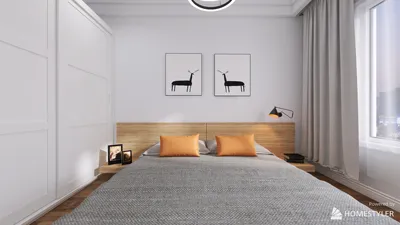


In the past, I painted a client's trim in the same shade of white as the ceiling, leading to a loss of definition in the room – a hard-earned lesson learned while making adjustments in my room planner. This experience highlighted the importance of selecting an appropriate interior trim paint color, as it can significantly affect the perception of a room, especially in smaller areas.
With over ten years of experience in designing kitchens and compact living spaces, I've turned trim selection into one of my go-to strategies for immediate impact. Here are five effective trim paint ideas that deliver substantial results, complete with professional insights, minor drawbacks, and budget-friendly recommendations I've applied in real projects.
1. High-Contrast Trim for Immediate Definition
Applying a darker color to baseboards and casings compared to the wall color frames the space prominently, creating a picture-like effect. This method is particularly effective for emphasizing sharp edges and architectural details; I implemented it in a tight hallway to make each doorway stand out strikingly.
However, be cautious of excessive use as it may cause rooms to feel slightly smaller; ensure the ceilings remain light and use contrast strategically on focal walls. It's also a cost-effective solution, requiring just additional paint and some time for taping.
save pin
2. Tone-on-Tone Trim for a More Harmonious Look
Opting for a trim color that is one or two shades different from the walls promotes a serene, upscale ambiance without harsh outlines. I frequently use this approach in bedrooms to maintain a tranquil vibe while adding a touch of depth.
The only drawback is the need for good lighting to perceive the difference; testing samples at various times of the day is advisable. This technique is forgiving for DIY enthusiasts and minimizes the visibility of touch-ups.
save pin
3. Satin or Semi-Gloss Finish for Longevity
Trim is often subject to wear and tear from shoes, vacuums, and children's hands, which is why I typically advocate for satin or semi-gloss finishes that offer easy cleaning and durability. During a family kitchen renovation, I insisted on semi-gloss for all lower trims, which significantly reduced the need for touch-ups over time.
While high gloss provides a sleek appearance, it also highlights imperfections more; satin finishes can conceal flaws while remaining cleanable. The secret to achieving a durable finish lies in thorough preparation, such as proper sanding and priming.
save pin
4. Two-Tone Trim: Elevating Doors and Windows
By painting doors or window frames in a contrasting trim color, these elements are transformed into focal points instead of mere backgrounds. For instance, I painted interior doors a deep navy while keeping the window casings warm white, which added character to the space without requiring a complete repaint.
Ensure cohesion across rooms so that the accent colors feel intentional rather than random. This method can be a moderate-budget choice if hiring professionals, but those adept at DIY can easily tackle a single door or a set of casings over a weekend.
save pin
5. Distressed or Aged Trim for Unique Charm
For older homes or eclectic spaces, lightly distressing trim or applying a glaze over painted trim can add depth and character. I used a subtle glaze on trim in a vintage-themed living room, which instantly made the area feel inviting and lived-in instead of staged.
Exercise restraint with this style, as excessive distressing can appear forced. Try samples on spare trim or drawer fronts first, and opt for high-quality paints that will age gracefully. If you're looking to visualize the result in 3D before committing, I sometimes create digital mock-ups using tools like Homestyler.
A quick budget tip is to paint an old door or a few baseboards as a test run before committing to an entire house refresh. Small experiments can save both money and anxiety.
save pin
Practical Painting Sequence I Follow
I always prime first, then paint trim prior to the walls during new installations to avoid cutting-in errors and ensure a complete cure before reattaching hardware. When making dramatic color shifts, expect to use two coats and factor in light sanding between coats for the smoothest finish.
For those planning layouts or determining which trims to update first, utilizing tools like Homestyler can help identify which rooms will benefit most from a trim refresh.
save pin
FAQ
1. What finish is best for interior trim paint?
Typically, satin or semi-gloss finishes are optimal because they offer a balance between washability and aesthetic appeal. While high-gloss provides greater durability, it can accentuate flaws.
2. Can I paint trim the same color as walls?
Absolutely — using tone-on-tone colors can create a serene, modern look, but it’s crucial to test patches in natural light to ensure the difference is perceived as intentional.
3. How many paint coats does trim require?
Generally, two coats over a suitable primer are sufficient; however, bare wood or drastic color transformations may necessitate three coats. Lightly sand between coats for a professional appearance.
4. Should I paint trim before or after walls?
Both methods are viable; however, I prefer painting the trim first on new projects to protect edges and then cut in the walls for sharper junctions, minimizing tape usage.
5. What color trim creates the illusion of a larger room?
Keeping trim a lighter hue than the walls or matching it to ceiling/white elements can help reflect light and visually enlarge the space.
6. How can I maintain painted trim in the long run?
Utilize mild cleaners, promptly touch up any chips, and avoid abrasive scrubbing. A good initial finish and primer significantly reduce long-term maintenance efforts.
7. Are there low-VOC options for trim paint?
Indeed, many brands now offer low-VOC or zero-VOC trim paint options suitable for homes and sensitive individuals. Always check product labels for VOC ratings (Source: Sherwin-Williams, https://www.sherwin-williams.com).
8. Can I visualize trim changes prior to painting?
Simple mock-ups using sample boards or digital visualizations are highly effective; I frequently create quick 3D mock-ups using Homestyler to experiment with color and finish combinations before applying any paint.
save pin
Homestyler is your go-to online home design platform, perfect for both novices and pros. With its user-friendly design tool, stunning 3D renderings, and a wealth of DIY video tutorials, you can effortlessly create and visualize your dream spaces. Let your creativity shine!
Design Now for FREE
































