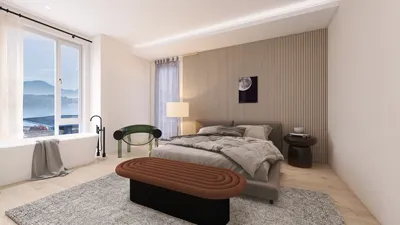


Having spent a decade designing numerous compact homes, I've observed the evolving interior design trends that favor neutral color schemes complemented by vivid textures. Small areas, particularly gray living rooms, often ignite the greatest creativity. If you've ever assumed gray was uninspiring, you'll be pleased to find it's among the most adaptable backdrops I've encountered. In this article, I will present 10 design inspirations, drawn from my personal projects and expert insights, to assist you in optimizing a small gray living room with the help of tools like Homestyler.
1. Gradient Gray Hues
My Experience: I once designed a 12-square-meter living room by incorporating three shades of gray — the outcome felt significantly more spacious than the actual dimensions. Layering different tones adds depth without overwhelming the area.
Advantages: This nuanced application of color creates a deliberate and cohesive ambiance. Architectural Digest notes that by layering neutrals, one can enhance the visual perception of space.
Disadvantages: Failing to introduce contrasting elements could lead to a flat and uninviting aesthetic. Excessive similar shades might allow furniture to blend into the background.
Suggestion: Introduce a touch of subdued color like sage or blush through decorative cushions or artwork.
2. Space-Saving Modular Sofas
Personal Insight: In a small apartment design in Shanghai, I selected a modular sofa with soft gray upholstery that could be rearranged — ideal for cozy lounging and socializing.
Benefits: This design saves valuable floor space, allows for flexible arrangements, and complements the aesthetics of small gray living room ideas exquisitely.
Drawbacks: Custom modular options can be expensive, and budget versions often lack durability.
Example: Combine with a round coffee table to soften sharp angles and promote a smoother flow.
3. Sleek Minimalist Storage Solutions
My Insight: I transformed a blank wall into an elegant storage and display area using floor-to-ceiling cabinets in warm gray tones — functional yet sophisticated, resembling a built-in feature.
Pros: Maximizes storage efficiency without encroaching on floor space. This approach helps keep the room tidy and aligns with a serene design philosophy.
Cons: Installing such solutions can be time-consuming and may require expert carpentry skills, which isn't ideal for renters.
Consider using visual inspirations from minimalist storage wall designs to grasp proportions before making a commitment.
4. Incorporating Metallic Touches
My Experience: In a loft project, we combined brushed silver lamp stands and a slender bronze-framed mirror against gray walls — this effortlessly lifted the atmosphere.
Advantages: Infusing metallic elements brings a sense of elegance and enhances light reflection, contributing to an airy feel.
Disadvantages: Excessive metallic use can create a cold or overly industrial vibe if not balanced with softer textures.
Advice: Keep metallic accents to about 10–15% of your decor to achieve visual balance.
5. Glass Coffee Table for Enhanced Openness
My Opinion: I strongly advocate for glass coffee tables in smaller spaces — they give an illusion of more floor area and allow your area rug to shine.
Benefits: They create a visually spacious environment and complement nearly every style.
Cons: Glass surfaces can require regular cleaning to prevent fingerprints, and sharp edges might pose issues in homes with children.
Utilizing tools to visualize glass table placements in layout designs may help assess visual flow before making a purchase.
6. Bold Wall Art Pieces
My Experience: In a compact studio project, an oversized black-and-white cityscape became the centerpiece, creating an illusion of depth that extended beyond the physical walls.
Benefits: Such pieces draw the gaze upward and outward, infusing a personal touch into the neutral gray color scheme.
Disadvantages: Large artwork can dominate a space if not well-scaled — always measure before hanging.
Tip: Opt for slim frames to maintain a clean and modern aesthetic.
7. L-Shaped Sofa Arrangement
My Preference: I favor L-shaped arrangements for small living spaces; in one client's 15 m² home, it opened up walking paths better than a typical two-piece configuration.
Advantages: This layout clearly defines social areas and uses corner space more efficiently.
Disadvantages: Once set, rearranging is challenging; this config is best suited for square or slightly rectangular rooms.
Exploring L-shaped layout tools can help in maximizing the utility of available space.
8. Cozy Fabric Choices
My Insight: Combining chunky knit blankets with velvet pillows in warm tones creates an inviting atmosphere amidst gray shades.
Advantages: This layering introduces warmth and texture, preventing the gray palette from appearing too stark.
Disadvantages: Heavier textiles may seem cumbersome in the summer; consider lighter fabrics during the warmer months.
Suggestion: Change decor with the seasons to align with fluctuating temperatures and moods.
9. Reflective Paint Finishes
My Opinion: A satin or eggshell finish on gray walls subtly reflects light, preventing the space from feeling confined.
Advantages: Enhancing natural light not only visually enlarges the living area but also aligns with the recommendations of the American Lighting Association for compact rooms.
Disadvantages: Reflective finishes may highlight wall imperfections more than their matte counterparts.
Tip: Thorough wall preparation before painting is crucial to avoid unwelcome surprises.
10. Versatile Multi-Functional Furnishings
My Experience: From lift-top coffee tables to ottomans with hidden storage, I've utilized such pieces to address both aesthetic and storage challenges.
Advantages: This design maximizes usability without sacrificing style, which pairs perfectly with small gray living room concepts.
Disadvantages: High-quality multi-functional items may be heavier and more expensive.
Tip: Focus on the functions you will utilize most — avoid acquiring a sleeper sofa if overnight guests are infrequent.
Conclusion
Small gray living rooms present an opportunity rather than a limitation — they invite creative problem-solving. Whether your preference leans towards layered colors, reflective finishes, or multifunctional furnishings, these inspirations illustrate how thoughtful design can transform any compact area into a stylish and cozy sanctuary. As noted in Houzz's 2023 interior report, investments in small spaces frequently yield the highest return of "daily value." Which design ideas are you most eager to explore and perhaps visualize using Homestyler?
FAQ
1. What colors can enhance a small gray living room?
Soft pastels, rich navy, and natural wood tones harmonize beautifully with gray, contributing balance and warmth.
2. How can I create a sense of space in a small gray living room?
Incorporate mirrors, reflective elements, and light-hued accents. The American Lighting Association advocates for layered lighting to enhance the feeling of spaciousness.
3. Is gray still a fashionable choice for living rooms in 2024?
Yes, the trend is shifting towards warmer grays complemented by natural textures.
4. What sofa color works best within a gray-focused scheme?
Opt for a slightly varying gray for a subtle tone-on-tone effect, or a contrasting warm hue for visual interest.
5. Can small gray living rooms feel inviting?
Absolutely! Layer textiles, utilize warm lighting, and incorporate personal artwork.
6. Should I opt for a white ceiling in a compact gray room?
A white or lighter gray ceiling can create an illusion of height, enhancing the spacious feel.
7. What flooring complements a gray living room?
Light oak or pale laminate brightens the space, while darker floors can introduce contrast but may also make the area feel more confined.
8. What tips do you have for arranging furniture in a small gray living room?
Concentrate on facilitating movement and incorporating multifunctional pieces. Additionally, consider exploring AI-driven layout solutions for streamlined planning.
Homestyler is your go-to online home design platform, perfect for anyone looking to create their dream space. With its user-friendly design tool, stunning 3D renderings, and inspiring video tutorials, you can easily explore and execute your interior design ideas. Dive in and transform your home today!
Zaprojektuj teraz za darmo
































