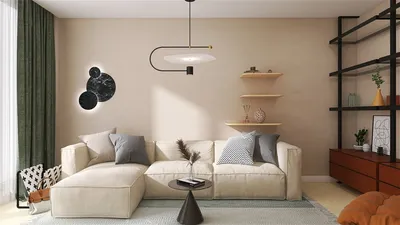


I had a client who insisted that every framed picture in their 280-square-foot studio be illuminated like a mini art gallery. This experience taught me that lighting can dramatically influence how wall art is perceived in small spaces; it can either enhance the area or make it look overcrowded and chaotic. That tiny studio 'gallery' revealed to me that small areas can inspire massive creativity, and with clever techniques, you can make art stand out without overwhelming the room.
1. Sleek picture lights for an unobtrusive appearance
I often use picture lights installed above frames to give a sophisticated, gallery-like feel without bulky fixtures. These lights provide concentrated illumination that accentuates the colors and textures, and slim LED options are environmentally friendly. However, they require secure mounting and sometimes professional assistance to hide wiring for a seamless appearance, yet the stunning result is worth the effort — particularly in tight living areas or narrow hallways. Incorporating tools like Homestyler can help visualize such setups before committing to them.
save pin
2. Flexible track lighting for focused illumination
Track lighting allows for versatile positioning — you can direct heads at various pieces or adjust the arrangement as your display changes. I applied this in a compact dining space where we rotated prints seasonally; it preserved the ceiling's openness while allowing each artwork to be showcased. One minor drawback is managing shadows if fixtures are too closely placed, so staggering angles and opting for diffused beams can help create softer transitions.
save pin
3. Wall-mounted sconces for dimensional lighting
Placing sconces beside a large piece of art fosters symmetry and a warm ambiance, making them ideal for bedrooms and hallways. They provide both task and ambient lighting without the need for ceiling fixtures that can lower the perceived height of a small space. On a budget? Choose slim designs or hardwired options to avoid clutter from floor lamps, and consider dimmable varieties to adjust the atmosphere.
save pin
4. LED strip lights for a contemporary, understated glow
Discreet LED strips placed behind frames or floating shelves create a soft halo effect that can be surprisingly striking in small areas. I applied this method behind a narrow floating shelf in a studio, and it gave the impression that the artwork was floating. Just be cautious with the color temperature; if it’s too cool, the art may appear sterile, while warm white in the range of 2700–3000K tends to complement most pieces beautifully.
save pin
5. Picture rails with compact spotlights for rental convenience
For those renting who cannot hardwire lighting, integrating picture rails with clip-on or battery-operated spotlights offers a damage-free solution for illuminating various artworks. This budget-friendly option is one I frequently recommend, as it allows clients the flexibility to rearrange without making any structural changes. The downside is the occasional need to replace battery-operated lights, but for ease of updates and adaptability, it’s a sound solution. Utilizing online tools like Homestyler can also assist in planning before purchasing fixtures.
save pin
FAQ
Q: What’s the ideal color temperature for lighting wall art? A: Typically, 2700–3000K (warm white) enhances the colors in most paintings and photographs; museums may use 3000–3500K for pieces with cooler tones.
Q: Are dimmers necessary for art lighting? A: Absolutely — dimmers help protect sensitive works from prolonged high brightness and allow you to set the mood; make sure to choose LED-compatible dimmers for your modern fixtures.
Q: What is the recommended distance for picture lights above artwork? A: Aim for about 6–12 inches above smaller artworks and slightly higher for larger pieces to ensure even coverage.
Q: Can track lighting potentially harm delicate art pieces? A: Direct heat can be a concern, but contemporary LEDs produce minimal heat; maintain a safe distance and consult an art conservator for high-value pieces.
Q: Are battery-powered lights adequate in brightness? A: Many reliable battery-powered LED spotlights provide sufficient illumination for smaller frames, though it's wise to check lumen ratings and opt for rechargeable options for convenience.
Q: How can I hide wiring for hardwired picture lights? A: Conceal wiring within shallow cable channels that match the wall color or use baseboard raceways; hiring a licensed electrician can ensure clean hardwired installations.
Q: What’s a cost-effective solution for renters? A: Picture rails combined with clip-on lights or battery-operated LED strips are friendly to renters and avoid the need for wall drilling.
Q: How can I digitally plan and preview various lighting layouts? A: You might want to explore the Homestyler platform to visualize fixture placements and see how light interacts with your walls; this tool can help minimize guesswork and purchasing errors while planning your space.
save pin
Discover the ease of home design with Homestyler! This user-friendly online platform offers a powerful design tool, stunning 3D renderings, and a wealth of DIY video tutorials. Whether you're a novice or an experienced designer, Homestyler empowers you to create your dream space effortlessly.
지금 무료로 디자인하세요
































