


Quick Summary
- High levels of humidity in laundry rooms result in mold development, unpleasant odors, peeling paint, and condensation, which can extend to neighboring rooms, causing potential structural issues.
- Ensuring proper ventilation, through vent fans and open windows, is crucial for managing moisture in laundry areas.
- Utilizing dehumidifiers and moisture-absorbing agents like silica gel or calcium chloride can effectively decrease humidity and maintain an ideal environment.
Controlling moisture in your laundry area is vital for fostering a healthy living space. Excess humidity can lead to mold proliferation, unpleasant smells, and damage to appliances and walls. This article delves into various methods to expertly manage moisture levels in your laundry area, ensuring it remains both functional and inviting. Discover how the Homestyler tool can assist you in designing a space that prevents moisture issues while enhancing aesthetics.
Understanding Laundry Room Moisture Causes
Moisture in laundry areas typically originates from wet garments, steam generated by dryers, and insufficient ventilation. Washing and drying clothes release water vapor into the air, causing significant increases in humidity. Poor air circulation only intensifies this problem, making it essential to identify and address the primary sources of moisture.
Effective Ventilation Solutions
One of the most effective strategies for moisture control in your laundry room is proper ventilation. Installing a vent fan will help in expelling humid air outside. Moreover, keeping windows ajar whenever possible encourages airflow. You might even consider using Homestyler to create a floor plan that optimizes ventilation and minimizes moisture accumulation.
Using Dehumidifiers and Moisture Absorbers
Dehumidifiers serve as excellent devices for curbing humidity levels. They function by extracting surplus moisture from the air, thereby enhancing comfort in your laundry area. Alternatively, moisture-absorbing products, such as silica gel or calcium chloride, can be strategically placed to absorb humidity naturally. Regular monitoring and replacement of these solutions will ensure an adequate environment.
FAQ
What are the signs of excess moisture in a laundry room?Typical indicators include mold presence, musty smells, peeling paint, and condensation forming on walls or windows.
How can I enhance ventilation in a compact laundry room?Implementing exhaust fans, opening windows, or utilizing a small dehumidifier are effective ways to improve airflow.
Does moisture in the laundry room impact other areas of the home?Absolutely, excessive moisture can transfer to adjacent spaces, resulting in more significant mold problems and potential structural damage.
Welcome to Homestyler

Rustic Solid Wood Freestanding Bookcase Cabinet With Drawers 3D Model
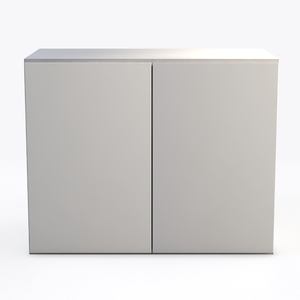
Minimalist Solid Wood Double Door Cabinet 3D Model
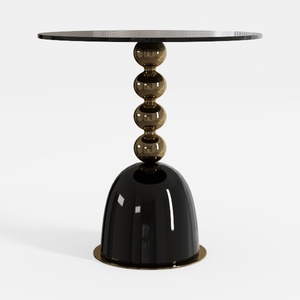

Modern Black Glass Brass Accent Side Table Decorative 3D Model
Homestyler is an exceptional online home design platform that empowers you to bring your creative visions to life. With its user-friendly design tool, vibrant 3D renderings, a wealth of design projects, and engaging video tutorials, it's the ultimate resource for anyone looking to redesign their space effortlessly!
立即免费设计
































