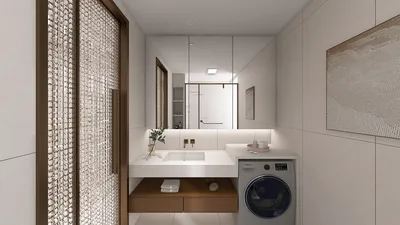


During one of my afternoons, I found myself trying to conceal a small scuff mark behind a couch, but instead ended up creating a glossy smear that resembled an overlooked piece of abstract art. That embarrassing mishap taught me invaluable lessons about painting techniques and finishes, far more than any guide could. It also reminded me that even the tiniest spaces can spark immense creativity. To help you steer clear of my novice mistake, I’ve compiled five useful tips that have not only saved me time but also maintained my clients' trust — with a sprinkle of humor. When strategizing the color scheme for confined spaces, I often use a visual layout, allowing me to determine which walls receive the most light.
1. Begin with precise paint and small samples
Never assume that colors sharing the same name come from the same batch. I always try to obtain the original paint code or a sample swatch and mix a small quantity first. The obvious benefit is avoiding unexpected results. However, it's important to note that matching older paints may still present challenges due to aging and dirt — applying small test patches on the wall can save you from making larger errors.
2. Focus on matching the finish, not only the color
Whether flat, eggshell, or satin, each finish type reflects light in different ways. During one project, I managed to perfectly match the color but mistakenly used satin where it should have been eggshell, causing the patch to shine every time light struck it. Ensuring a proper finish not only blends the touch-up into the wall seamlessly but requires careful application, as some finishes can be challenging to feather. Take your time and choose the appropriate roller nap that corresponds to that sheen.
3. Prepare thoroughly
Effective cleaning, sanding, and priming can make a significant difference. I always begin by wiping the area down with a mild detergent, sanding the edges to make them smooth, and applying a stain-blocking primer when necessary. While this extra step may increase initial costs, it prevents bleed-through and creates a smooth surface, allowing the touch-up to vanish effortlessly.
4. Feather and blend — the right tools are crucial
Utilize a fine brush for small areas and a mini roller to achieve the desired texture; dabbing rather than sweeping can help with blending. I've perfected the technique of feathering paint in concentric circles and then lightly rolling over the entire section to mimic the original texture. This approach is forgiving, although it requires patience, as rushing can expose brush marks or lap lines.
5. Consider light, timing, and inspection
Wet paint often looks different under various lighting conditions, revealing imperfections that may not be immediately obvious. I always allow touch-ups to dry completely — typically around 24 hours — before inspecting them under the room’s natural light at different times of the day. If imperfections persist, I tend to apply a second thin coat or broaden the blending. Although this additional time might seem tedious, it’s the most effective way to achieve an inconspicuous finish. Additionally, when preparing for kitchen updates, I frequently create a quick kitchen mockup to identify focal walls that warrant special attention.
FAQ
Q1: How can I identify the original paint color?
I always request the paint label or swatch from the homeowner and then verify with a paint store using a sample chip. If these aren't available, a small piece of removed paint from an inconspicuous area (like a closet) can assist in color matching.
Q2: Is it possible to touch up using leftover paint from a different brand?
It’s possible, but keep in mind that differences in pigments and binders between brands may affect color and sheen. If you choose this route, test a small area first to see how it looks under different lighting conditions before proceeding.
Q3: What is the best tool for smoothing out texture?
Typically, a mini roller that matches the original roller nap is ideal. For textured finishes like stippled or orange-peel, using a specialized texture spray or lightly stippling with a brush can yield great results, though practice is essential beforehand.
Q4: Should I apply primer before my touch-ups?
Absolutely — especially when the area has stains, repairs, or exposed drywall. Priming enhances adhesion and ensures a consistent finish, while also preventing discoloration from tannins or uneven patches.
Q5: How long should I wait to evaluate the final result?
It's advisable to wait at least 24 hours and assess the results in both natural and artificial light. Since some mid-tones and finishes can settle differently, checking again the following day is wise.
Q6: Can I avoid repainting the entire wall?
In many cases, yes, provided that you carefully match colors and finishes while blending properly. However, if the wall has experienced fading or uneven aging, a complete repaint might be the only solution to achieve a flawless appearance.
Q7: Are there quick digital tools to preview touch-ups?
If you'd like a preview of how a repaired wall will look in a space, utilizing an AI design preview tool like Homestyler can be beneficial for assessing light and focal points before commencing work.
Q8: Where can I seek expert advice on paint compatibility?
Reputable sources such as Sherwin-Williams offer authoritative guidelines on paint adhesion, finish selection, and primer usage; their technical datasheets provide precise recommendations for the best results.
Homestyler is your go-to online home design platform! With its user-friendly design tool, stunning 3D renderings, and a wealth of DIY video tutorials, you can effortlessly create and visualize your dream spaces. Start transforming your home today with inspiration at your fingertips!
تصميم الآن مجانا
































