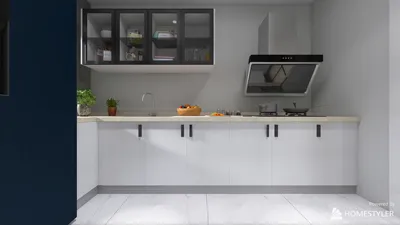


Once, in an effort to dazzle a client, I attempted to create a flawless ombré effect on a compact studio wall — only to nearly splatter paint on the neighbor's laundry line instead. That experience taught me the importance of preparation, precision in masking, and maintaining the right distance when working in small areas. While small spaces can reveal mistakes quickly, they can also reward bold design choices: a beautifully sprayed wall can transform a micro-apartment into a more spacious and personalized environment, particularly when combined with effective room layout strategies that can be enhanced through tools like Homestyler.
In this article, I will share five design-inspired tips for applying spray paint to walls, accumulated from years of working in kitchens, studio apartments, and challenging closets. Each suggestion will outline its effectiveness, what I appreciate about it, and the common challenges to be aware of.
1. Soft gradient accents — feather your edges for a subtle touch
Rather than opting for a stark stripe, consider a soft gradient that blends seamlessly into the existing wall. By using a gentle hand and multiple light coats while keeping the spray gun parallel to the surface, you can avoid heavy buildup; this technique offers a high-end appearance and conceals surface flaws. While it requires patience and practice, the result is a unique finish reminiscent of museum-quality spaces, all within a limited area.
save pin
2. Thin coats for better control — layering for depth
By slightly thinning the paint and applying several thin coats, you’ll achieve much better results than with one heavy application. This approach minimizes runs, allows for better sheen management, and helps create a consistent look with adjacent surfaces. Although this may take more time, it reduces product waste from drips and the need for sanding, ultimately saving you money on smaller projects.
save pin
3. Creating playful textures using stencils — crisp designs with ease
For accent walls, consider using reusable stencils or lace to create interesting textures without the hassle of messy rollers. This offers a brilliant way to introduce patterns in compact spaces where wallpaper might feel overwhelming. If you're working near cooking areas, coordinating the painted accents with clever kitchen features ensures everything ties together harmoniously; however, meticulous masking is essential, as overspray tends to wander.
save pin
4. Masking, ventilation, and protective gear — safeguard your workspace
Proper masking techniques can often go unnoticed but are crucial: utilizing drop cloths, painter’s tape, and taped plastic coverings on furniture significantly cuts down cleanup time. I always stress the importance of good ventilation and using proper respirators — spray guns can release fine particles and VOCs, so it's wise to keep windows open and use fans. While this setup process might take longer, it ensures a crisp finish and better air quality.
save pin
5. Color coordination with natural light and layout — the magic of small spaces
Colors behave differently under various lighting conditions, so I always test swatches in both daylight and artificial light. In confined areas, a semi-gloss finish on a sprayed wall can enhance light reflection and create an illusion of a larger space, though it may also accentuate imperfections, making thorough prep crucial. For those in design who appreciate technology, aligning painted elements with AI-driven layout studies can reveal optimal treatment for walls to maximize aesthetic impact; I often leverage AI inspiration from tools like Homestyler to plan the final reveal and seamlessly integrate layouts.
save pin
FAQ
Q1: Can I use any spray gun for interior wall painting?
A: Not all spray guns are suitable — HVLP or turbine models are generally preferred for indoor use as they allow for precise control and minimize overspray. Airless models may be quicker but can be challenging to navigate in smaller areas.
Q2: How should I prepare the wall for spraying?
A: Begin by cleaning the surface, repairing any holes, lightly sanding glossy spots, and applying primer if necessary. Proper preparation is key to avoiding visible flaws post-spraying.
Q3: What type of paint should I use with a spray gun?
A: Opt for paint that is specifically designed for spraying and thin it according to the manufacturer's guidelines. Latex paints often yield good results when adequately thinned; always strain the paint to prevent nozzle clogs.
Q4: How can I prevent overspray on nearby surfaces?
A: Generously mask with plastic sheeting and painter’s tape, begin spraying from the farthest point and work toward your exit, and use drop cloths to catch any overspray. Effective masking can significantly reduce cleanup time.
Q5: Is proper ventilation really necessary?
A: Absolutely — spray painting emits fine particles and volatile organic compounds (VOCs). The EPA provides thorough information on VOCs and their impact on indoor air quality: https://www.epa.gov/indoor-air-quality-iaq/volatile-organic-compounds-impact-indoor-air-quality.
Q6: Do I need to wear a respirator, and which type is best?
A: It's advisable to wear a respirator rated for paint vapors and particulates (N95 masks do not provide sufficient protection against solvent vapors). A half-mask respirator equipped with organic vapor cartridges is commonly used for indoor spraying.
Q7: How long before I can hang items on the sprayed wall?
A: Drying time varies based on paint type and humidity conditions, generally taking 24-48 hours for touch handling and up to a week for complete curing. Always refer to the manufacturer's instructions and refrain from hanging heavy objects until the surface is fully cured.
Q8: Can I spray over wallpaper or textured surfaces?
A: While it is possible, results can differ — texture may show through and wallpaper seams could be visible. I usually suggest smoothing or priming beforehand for the best professional appearance.
save pin
Homestyler is your go-to online home design platform! With its user-friendly design tool, stunning 3D renderings, and a wealth of DIY video tutorials, you can effortlessly create and visualize your dream space. Unleash your creativity and transform your home today!
Design jetzt kostenlos
































