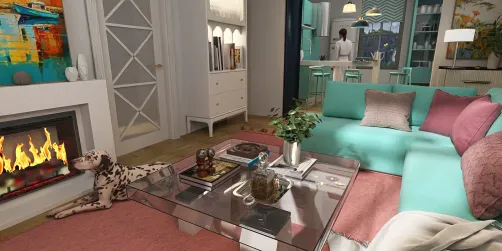



One time, I suggested a 5x8 rug to a client who took great pride in measuring her living room, only to find out she had measured around the coffee table instead of the sofa. We shared a laugh (and I learned to be more diligent), but that little mistake emphasized the significant impact a rug can have on a small living room. I always advise clients to visualize their space before making a purchase — it conserves time and money, and it just makes good sense.
1. Float the Rug in Front of the Sofa
Positioning a rug slightly away from the walls fosters an open and intentional atmosphere. It visually gathers furniture into a cozy conversation area, which is especially useful for smaller rooms. However, be cautious of trip risks if the pathways are narrow.
save pin
2. Place Front Legs On, Back Legs Off
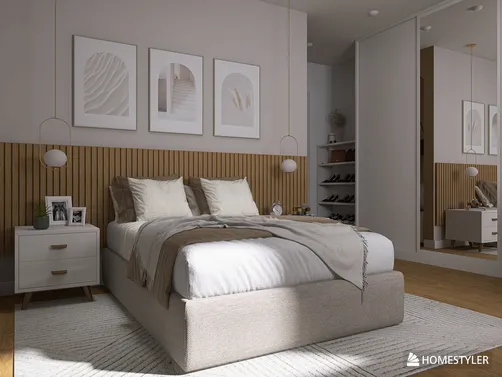
For renters and tight spaces, my preferred method is to place just the front legs of sofas and chairs on the rug. This creates the illusion of a unified seating area without needing an oversized rug. However, be aware that very small rugs can sometimes appear out of place if the furniture feels lopsided, so it’s wise to measure the front seating span first.
save pin
3. Layer with Runners and Small Accent Rugs
Combining a neutral base rug with a smaller patterned rug near the entryway or underneath a coffee table infuses character and breaks up elongated narrow rooms. It's an economical and enjoyable option to change out, but maintain color harmony to prevent a chaotic look in the room. Using Homestyler can help you visualize the layering before you commit to a purchase.
save pin
4. Go Big with a Subtle Pattern or Light Tone
Choosing a larger, low-contrast rug can effectively make the room seem more spacious compared to several small rugs. Subtle patterns can mask wear and pet hair efficiently; however, larger sizes and higher-quality materials tend to be pricier. For a balanced price-to-aesthetic ratio, I frequently recommend flatweaves or blends.
save pin
5. Try Round or Custom Cuts for Odd Corners
Round rugs can soften sharp spaces and are ideal for small circular tables or entry areas. Custom-shaped rugs are exceptional for bay windows or L-shaped rooms, and taking the time to map out the space can aid in designing a straightforward layout that avoids awkward overlaps.
save pin
FAQ
Q1: What rug size works best for a small living room?
A popular option is typically 5x8 or 6x9, but ensure you measure your seating area: the rug should accommodate at least the front legs of your essential furniture while leaving a consistent border of exposed flooring to keep the room feeling airy.
Q2: Should a rug touch all furniture legs?
It's not essential in smaller spaces — anchoring just the front legs usually suffices to create a cohesive look without necessitating an oversized rug that may overwhelm the area.
Q3: Can patterns make a small room feel bigger?
Yes, subtle and low-contrast patterns can introduce depth without contracting the space. High-contrast or overly detailed patterns might create visual clutter in compact environments.
Q4: Are light rugs better for small living rooms?
Light-colored rugs tend to reflect more light, which can create an illusion of a larger room. Nonetheless, factor in maintenance; darker or patterned rugs tend to conceal stains better.
Q5: How do I prevent rugs from slipping?
Employ a high-quality non-slip pad that matches the rug size; this keeps the rug flat, protects the underlying flooring, and enhances comfort underfoot.
Q6: Is layering rugs a good idea in small spaces?
Absolutely, if executed with caution. A thin base rug combined with a smaller accent rug can add texture and interest without occupying excessive visual space.
Q7: Where can I learn professional layout tips?
Established design organizations can provide valuable guidance; for instance, the American Society of Interior Designers offers practical standards and educational resources (https://www.asid.org).
Q8: How do I choose a rug material for high-traffic small rooms?
Materials like flatweave, wool blends, and synthetic fabrics strike a balance between durability and ease of cleaning. I frequently recommend using a robust flatweave for bustling households with children or pets.
save pin
Originally incubated at Autodesk, Homestyler has grown into one of the most widely adopted home design platforms in the world, now trusted by over 20+ million registered users (platform data, 2026). Whether you're a homeowner exploring ideas or a professional designer delivering client-ready renders, Homestyler brings industry-leading 3D technology to your fingertips — no experience required.
Discover the ease of home design with Homestyler! This innovative online platform features a user-friendly design tool, stunning 3D renderings, a plethora of inspiring design projects, and helpful DIY video tutorials. Transform your home effortlessly, whether you're a beginner or a seasoned designer!
Design Now for FREE