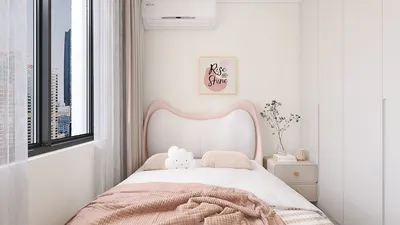


As an interior designer with over ten years of expertise, I've come to realize that even the smallest living rooms can foster the most imaginative paint selections. Today's design trends favor lighter palettes, striking accent walls, and tone-on-tone designs that can considerably enhance a room's perception of space. In this article, I will outline 10 of my top paint ideas for compact living rooms, all inspired by my design experiences and expert knowledge. Our aim is to demonstrate that a small area can unleash significant creativity, especially with tools like Homestyler for visualizing these concepts.
1. Soft Neutrals for an Airy Ambiance
My Insight: When crafting my first 280 square foot apartment, soft greys and off-whites created a feeling of openness in the living room. This neutral backdrop allowed for experimentation with textures and statement furnishings.
Benefits: Soft neutral tones beautifully reflect natural light, making the space appear brighter and more expansive. According to the Dulux Colour Forecast, these shades are classic and versatile for different decor styles.
Drawbacks: Without a focus on texture, the space might feel monotonous or overly safe.
Suggestion: Layer with cushions, throws, and rugs to introduce depth.
2. Deep Charcoal for Cozy Elegance
My Insight: I once incorporated a charcoal accent wall in a small living area, transforming it into a dramatic yet intimate environment.
Benefits: This deep hue adds sophistication and depth, particularly in well-lit settings, and pairs wonderfully with metallic decor.
Drawbacks: Overuse of charcoal can make a dimly lit small room feel even more confined.
A charcoal accent combined with layered lighting ensures the space doesn’t feel cave-like.
3. Warm Beige for a Cozy Atmosphere
My Insight: For clients seeking a homey, welcoming vibe without opting for a stark white, I frequently recommend warm beige.
Benefits: These warm tones create an inviting ambiance while keeping the space light and airy. They’re both versatile and classic.
Drawbacks: Excessive beige can appear dull without vibrant pops of color or contrasting elements.
Suggestion: Introduce high-contrast throw pillows or art to liven up the space.
4. Pale Blue for a Refreshing Touch
My Insight: In a beach-side apartment, pale blue walls instantly provided the compact living room with a refreshing and open vibe.
Benefits: This shade amplifies natural light and provides a calming atmosphere. Research conducted by the American Psychological Association indicates that blue tones can reduce stress levels.
Drawbacks: If overused, the space may lose warmth in low-light conditions.
Suggestion: Pair with warm wooden accents to achieve a harmonious balance.
5. Sage Green for a Taste of Nature
My Insight: Sage green is a remarkable choice for small urban living rooms, adding a dash of nature indoors.
Benefits: Earthy shades like sage evoke a soothing, grounded ambiance and work beautifully with natural fabrics.
Drawbacks: Limited appeal for those who prefer more vibrant color schemes.
The combination of natural textures and sage hues can make even a small city apartment feel serene.
6. Bold Mustard for Distinctive Flair
My Insight: While mustard may initially appear daring for compact spaces, it can inject remarkable energy when used wisely.
Benefits: Ideal for feature walls or alcoves, mustard brings vibrancy and warmth. It beautifully complements mid-century modern furniture.
Drawbacks: Overusing yellow can be overwhelming and may clash with certain wood tones.
Suggestion: Balance it with neutral furnishings and decor elements.
7. Blush Pink for Subtle Sophistication
My Insight: A soft blush shade transformed one client’s cramped living quarters into a dreamy retreat.
Benefits: This hue adds warmth without overpowering the space and pairs well with minimalist designs.
Drawbacks: Some individuals may find it overly feminine or too restrictive for decor alterations.
Suggestion: Incorporate deeper tones like burgundy in accents for an edgier aesthetic.
8. Two-Tone Walls for Visual Interest
My Insight: In a narrow lounge, I applied navy to the lower half and left the upper part white—this visually broke the walls and elevated the perception of height.
Benefits: Enhances room proportions and offers opportunities for color contrast experimentation.
Drawbacks: Requires careful planning to avoid awkward transitions between colors.
Two-tone strategies can be effectively applied beyond kitchens to elevate small living spaces.
9. Soft Lavender for a Serenity-Inducing Effect
My Insight: Lavender is ideal for living rooms serving as home offices, providing a calming yet revitalizing atmosphere.
Benefits: This color creates a peaceful ambiance and pairs seamlessly with neutrals or metallics.
Drawbacks: If mismatched with the wrong accent colors, it can appear outdated.
Suggestion: Keep furnishings modern to balance the sweetness of lavender.
10. Crisp White for Maximum Illumination
My Insight: Although it may seem conventional, pure white continues to be the top choice for creating a sense of space. I often recommend it for low-ceilinged living areas to reflect light throughout.
Benefits: This color maximizes natural light and serves as a versatile backdrop for any accent hues. It acts as a blank canvas for your creativity.
Drawbacks: Can feel sterile if not warmed up with textures or personal touches.
Suggestion: Integrate layered lighting and tactile materials to achieve a cozy yet open atmosphere.
Conclusion
Compact living rooms shouldn't restrict your styling choices—instead, they require clever paint options. From airy neutrals to vibrant accents, your color palette can manipulate perception, set a mood, and express your individuality. As noted by the National Association of Home Builders, a thoughtful application of paint is among the most cost-effective methods to enhance tiny interiors. Which of these paint suggestions for small living rooms would you be excited to embark on first, possibly using Homestyler to visualize your ideas?
Frequently Asked Questions
1. What paint colors help a small living room appear larger? Light neutrals, white tones, and soft blues can visually enlarge a space by reflecting light.
2. Can dark paint be effective in a small living room? Certainly, when applied as an accent and complemented by good lighting, dark shades can add depth without confining the area.
3. Is matte or glossy paint preferable for small areas? Matte finishes conceal imperfections, while satin or eggshell offers some light reflection—select based on your wall conditions and lighting.
4. Are there popular colors for small living rooms in 2024? Sage green, blush, and soft lavender are currently trending as per the Pantone Colour Institute.
5. How do I determine the right accent wall color? Choose a shade that complements your main wall color while tying in with significant furniture pieces.
6. Is it possible to combine wallpaper and paint? Yes, utilizing wallpaper on one wall alongside painted walls can introduce texture and depth.
7. What is the simplest way to test paint colors in a small area? Utilize sample pots and apply large swatches on various walls to observe how light impacts them.
8. What is the estimated cost of repainting a small living room? Generally, between $150–$300 for materials if done DIY; professional painting may range from $500–$1,000 depending on complexity.
Discover your creativity with Homestyler, the ultimate online home design platform! Its user-friendly design tool allows you to create stunning interiors, while the impressive 3D rendering and extensive design projects inspire your vision. Plus, the DIY video tutorials make the process easy and enjoyable. Transform your space today!
Design Now for FREE
































