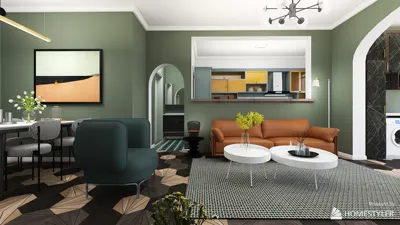


I once persuaded a client to go for ultra-bright walls, thinking it would make their narrow hallway feel boundless — only to find out that the white shade appeared quite sterile under a dim light. The following weekend, I took on the task of repainting and picked up several tips that not only saved time but also lifted the room's mood. When working with limited spaces, these tricks can transform design outcomes and maximize every inch.
Working in small areas truly ignites creativity. After repainting numerous kitchens and cozy nooks, I’m excited to share five paint-based design ideas that genuinely provide benefits, a few trade-offs, and budget-friendly advice gained from my experiences.
1. Low-VOC eggshell: the everyday champion
The eggshell finish remains my top choice for living rooms and bedrooms as it conceals minor flaws while maintaining a soft, contemporary sheen. Opting for a low-VOC option is vital for preserving indoor air quality, especially in compact homes where fumes can accumulate rapidly. The downside is slightly less washability compared to higher-gloss finishes, but it works wonderfully for most walls.
save pin
2. Matte finish for depth and tranquility
Matte paints evoke a rich, soothing feel, effectively disguising surface imperfections while giving off a cozy ambiance in dens and bedrooms. However, they can scuff more easily and can be tricky to clean, so I typically avoid them in high-traffic areas unless the wall is safeguarded or you are prepared for occasional touch-ups. On a budget? Using a quality primer beneath a matte topcoat can enhance its longevity.
save pin
3. Satin or eggshell in kitchens and bathrooms
In moisture-prone areas, I usually recommend satin or sturdy eggshell finishes due to their balance of sheen and ease of cleaning. Mildew-resistant options are beneficial as well. If you're uncertain about how a color will look under different lighting, it’s smart to create small test panels and observe them throughout the day; visualizing paint choices in three dimensions can save you from expensive re-doing.
save pin
4. Semi-gloss for trims and high-contact spots
Semi-gloss or high-gloss paints are perfect for trims, doors, and frequently-cleaned walls. They reflect light brilliantly, helping to brighten narrow hallways; however, they tend to highlight imperfections more. Therefore, thorough preparation is necessary. I recall spending two evenings sanding and filling nail holes before achieving a professional-looking glossy finish — so keep in mind that prep work is part of the overall expense.
save pin
5. Accent walls and color-blocking for compact spaces
Rather than repainting an entire room, creating an accent wall or vertical color block can introduce depth without overwhelming a small area. For example, a dark, matte panel behind a bed or sofa adds perceptual depth, while a lighter adjacent wall preserves an airy feel. If you’re considering refreshing your kitchen, coordinate paint shades with cabinets and lighting to avoid clashes; integrating paint with your kitchen layout ideas early on saves significant rework later.
save pin
FAQ
Q: What is the ideal paint finish for living rooms?
A: Eggshell or satin finishes are typically best for living rooms as they strike a balance between light reflection and maintenance ease. They effectively hide small imperfections better than gloss and are easier to manage than matte finishes in busy spaces.
Q: Are low-VOC paints genuinely worthwhile?
A: Absolutely — low-VOC paints significantly lower strong odors and harmful emissions, which enhances indoor air quality during and post-painting. While they might be a bit more expensive, the health and comfort benefits they offer, particularly in compact apartments, make them a valuable investment.
Q: How long should I wait between coats of paint?
A: Always follow the manufacturer's specific guidance, which usually suggests waiting 2-4 hours for water-based paints, and longer for oil-based varieties. Remember that temperature and humidity can impact drying times, so allow extra time in cool or humid settings.
Q: Is it okay to paint over wallpaper?
A: It is often possible, but I seldom suggest it; painted wallpaper can peel or reveal seams over time. For a longer-lasting finish, it's best to strip or prime the underlying surface properly.
Q: What are the VOC limits and safety recommendations?
A: The EPA provides important guidelines on indoor air quality, recommending the use of low-VOC or no-VOC products to minimize indoor pollutants during any renovations (see EPA guidance on indoor air quality). Ensuring proper ventilation during and after the painting process is crucial.
Q: How do I test paint colors in my home?
A: Paint 2-3 square-foot test patches on your wall and observe them at different times of day under various lighting. Additionally, tape samples next to furniture and fabrics to ensure the hue harmonizes well with existing elements.
Q: Is primer always required?
A: Primer is highly advisable, especially when switching from a dark to a light color, painting over stains, or covering new drywall. It minimizes the need for multiple topcoats and improves adhesion, often saving both time and money in the long term.
Q: How can I choose durable paint while staying on a budget?
A: Focus on using a good primer and opting for a reliable eggshell or satin finish; cheaper paints can often necessitate more coats, which can be more costly in terms of time and labor. Strategically investing in higher-quality paint for main colors, while economizing on trim, can be a wise split-budget method.
save pin
Homestyler is your go-to online home design platform, perfect for transforming your ideas into reality. With an easy-to-use design tool, stunning 3D renderings, inspiring design projects, and helpful DIY video tutorials, creating your dream space has never been easier!
Desain sekarang Gratis
































