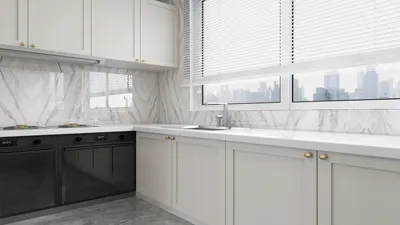


I once transformed an entire dining room by painting it the same shade as my client’s lipstick — vibrant, glamorous, and unforgiving under evening light. We shared laughter and insights, and I vowed never to skip the mockup stage again; now, I always create quick digital representations using tools like Homestyler to ensure that bold color choices don’t lead to regrets. If you're considering custom home painting, small tests can lead to remarkable changes, as compact spaces often inspire significant creativity.
I’m excited to share five paint-centric design ideas I've applied in various projects, highlighting what I appreciate about them and the potential pitfalls to keep in mind. I frequently initiate the process in my room planner to explore colors and dimensions before a single brush touches the wall.
1. Color Zoning with Accent Walls
I utilize accent walls to delineate different activity zones in open-concept homes — perhaps a deep blue behind the TV or a warm terracotta near the dining area. This technique is cost-effective, striking, and reversible; however, the real challenge lies in selecting the right undertones to complement existing wood or fabrics.
Tip: paint a 1x1m sample and live with it for a week; lighting can alter perceptions significantly. This method is budget-friendly and impactful, though you might need to touch up spots where furniture abuts the wall.
save pin
2. Tone-on-Tone Texture Layers
For a refined and understated aesthetic, I layer matte and satin finishes of the same color to introduce depth without contrasting hues. I applied this technique in a rental makeover — tenants appreciated the hotel-like tranquility, while upkeep was easy due to the texture concealing scuffs.
This approach is stylish and forgiving, but it necessitates thorough preparation: patching and priming are crucial for proper textural appearance under lighting.
save pin
3. Ceiling & Trim as Design Elements
Painting ceilings in a gentle color or a lighter variant of the wall shade can create the illusion of lowered or heightened space — this is one of my favorite tricks for small rooms. When I design kitchens, I often align the paint with the cabinetry and backsplash plans mapped out in the kitchen layout planner, ensuring a cohesive and intentional palette.
Pros: enhances the feel of curated architecture. Con: ceilings require more time and ladders, so plan to factor in additional labor costs if you desire immaculate edges.
save pin
4. Mural and Accent Art Walls
Custom murals or geometric accent walls can transform a mundane hallway into a captivating conversation starter. For a client’s entry, I painted a whimsical, budget-friendly stencil wall that endured for years and became a signature feature of the home.
Delightful and distinctive, but ensure you consider scale: murals appear differently at full size compared to small swatch samples, so utilizing mockups is essential to avoid overreaching in small spaces.
save pin
5. Durable Finishes for High-Traffic Areas
In spaces like mudrooms, children’s corridors, and areas for pets, I recommend using scrubbable and washable paint in mid to high-sheen finishes, along with a clear maintenance plan. Before finalizing decisions, I often preview designs in a quick 3D render using Homestyler so clients can visualize how light and wear affect the final look.
While this tactic might require a slightly larger initial investment, it will save on repainting costs down the line — a practical, enduring solution for busy homes.
save pin
FAQ
1. How much does custom house painting usually cost?
Clients often inquire about costs, which vary based on size, necessary prep work, and finish quality. A straightforward repaint can be affordable, but high-end finishes, murals, or multiple colors can increase expenses. Always request a detailed quotation that separates material costs from labor.
2. When should I hire a professional versus do it myself?
I prefer to DIY small accent walls or touch-ups, while I hire professionals for intricate ceilings, textured finishes, or any task that requires scaffolding. Professionals save considerable time, deliver cleaner edges, and manage challenging preparation work.
3. How do I select the appropriate paint finish?
For low-traffic living areas, choose flat or matte finishes; eggshell or satin for general spaces; and semi-gloss for trim and wet regions; higher sheen translates to easier cleaning but may highlight flaws.
4. What preparation is crucial before painting?
Proper preparations — such as patching imperfections, sanding, and priming — contribute to about 50% of the final quality. Skipping these steps might seem economical initially, but it typically incurs higher costs in touch-ups later.
5. Are low-VOC paints safer for my home?
Indeed, low- and zero-VOC paints contribute to decreased harmful emissions; according to the U.S. Environmental Protection Agency (EPA), opting for low-VOC options helps enhance indoor air quality during and after the painting process (https://www.epa.gov/indoor-air-quality-iaq/volatile-organic-compounds-impact-indoor-air-quality).
6. How long does it take to repaint an entire house?
Timelines can vary based on size and complexity; a single room might be completed over the weekend, while an entire house could take several days to two weeks. Factors such as weather, drying durations, and the necessity of multiple coats all play a role.
7. Why do colors appear different at home compared to stores?
Store samples and small chips do not capture how light, adjacent colors, and room size change perception. I always advise testing larger samples in varied lighting conditions throughout the day.
8. What are the best practices for long-term protection of painted surfaces?
Utilize washable finishes in high-traffic areas, incorporate durable trim protection where required, and plan for minor maintenance touch-ups each year; regular care can delay the need for complete repainting.
save pin
Homestyler is your go-to online home design platform, perfect for both novices and seasoned decorators. With its user-friendly design tool, stunning 3D renderings, a wealth of design projects, and helpful video tutorials, you can effortlessly transform your space and unleash your creativity!
تصميم الآن مجانا
































