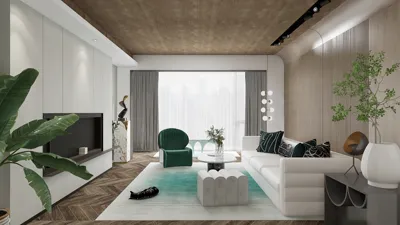


A client once requested a vibrant neon pink for their bedroom, claiming that it brings an energizing vibe. However, I quickly discovered that a color's intention carries more weight than mere enthusiasm. Although the render looks stunning, the reality became exhausting after just a week. This experience taught me the importance of testing colors at various times throughout the day. This is why I frequently incorporate a cozy bedroom case study when showing options to clients who may feel apprehensive.
Transforming small spaces into havens of creativity often begins with a thoughtful paint selection. It's the quickest and most affordable method to revitalize a bedroom space. In this article, I'll outline five paint color strategies I implement in my projects, explaining their effectiveness along with the essential cautions I share with clients.
1. Warm Neutrals for a Timeless Retreat
I typically initiate designs with warm greiges or soft sandy taupes, as these shades exude elegance and have lasting appeal. They work well with various lighting conditions and complement wood tones and brass accents beautifully.
Benefits include a calming atmosphere, concealing minor wall flaws, and offering flexibility in furniture choices. However, be cautious: if the undertones clash with the light, the room can appear flat. Always test a larger swatch on the wall to see how it interacts with the light.
save pin
2. Soft Moody Blues for Cozy Calm
Opting for deep yet muted blues can create an intimate atmosphere in a bedroom without making it feel oppressive. These colors are my preferred choice when clients seek a cocoon-like effect without the heaviness associated with charcoal. Consider applying this hue to all walls or just the wall behind the bed for added depth.
The pros include fostering relaxation, hiding stains beautifully, and pairing well with brass or matte black decor elements. The only challenge lies in selecting the appropriate sheen—eggshell tends to be the best choice as it prevents glare while maintaining richness in color.
save pin
3. Light Pastels to Amplify Natural Light
Soft shades like blush pink, pale mint, or delicate lavender can reflect light effectively in a small room while maintaining an adult aesthetic. In one instance, I used a light sage green in a city studio which gave the illusion of a higher ceiling.
Advantages include brightening and enlarging the space, as well as the ease of layering with textiles. However, pastels tend to reveal their undertones more visibly, so it's crucial to conduct tests in both daylight and evening light. To visualize combinations more effectively, I utilize Homestyler for AI-assisted color mockups that help sidestep unexpected outcomes.
save pin
4. Two-Tone Walls for Proportion and Interest
Applying a darker shade to the lower third of a wall (or utilizing a mid-height dado color) provides a visual grounding for furniture and tricks the eye into perceiving better proportions. I borrowed this clever technique from classic design principles. It's also practical for renters if they opt for removable paints or lockable finishes on trims.
The benefits include adding architectural flair without additional costs and delineating zones in studio apartments. However, careful taping and a steady hand are essential; hiring a professional may be advisable for precise lines.
save pin
5. Textured Whites and Warm Accents
Not all whites have a clinical feel; textured or warm whites with creamy or beige undertones create a layered, sophisticated ambience. Pairing them with a striking headboard or woven wall art can help avoid a sterile appearance.
Benefits include versatility and compatibility with various styles, from Scandinavian to bohemian. Be wary of cool LED lighting that can alter warm whites to appear bluish—testing bulbs alongside paint samples and considering actual room layouts is crucial when finalizing lighting plans.
save pin
FAQ
Q1: How do I choose the right paint color for a small bedroom?
Begin by identifying the mood you wish to create (calm, invigorated, cozy), followed by testing 3–4 large swatches on different walls. Observe them in both morning and evening light before making your decision.
Q2: Should ceiling and trim match the walls?
Not necessarily—painting ceilings a slightly lighter shade (or in a soft complementary hue) can create an illusion of greater height. Using a fresh semi-gloss finish on trims provides definition and makes cleaning easier.
Q3: What finish is best for bedrooms?
Eggshell or low-sheen matte finishes are ideal for bedrooms as they provide durability for cleaning while remaining soft enough to minimize glare and texture highlighting.
Q4: Can dark colors work in a small bedroom?
Absolutely—dark, warm tones foster intimacy and can make a compact room feel purposeful rather than cluttered when complemented with light bedding and reflective decor items.
Q5: How many colors should I incorporate in one bedroom?
I usually recommend using 2–3 harmonizing hues: a primary wall color, an accent shade, and a trim/ceiling color. Employing too many colors can dilute the overall design effect.
Q6: Are low-VOC paints worth considering?
Definitely—low-VOC or zero-VOC options minimize odors and enhance indoor air quality. Prominent brands now offer excellent low-VOC ranges without compromising durability or aesthetics.
Q7: What does Light Reflectance Value (LRV) mean and why is it significant?
LRV indicates the amount of light reflected by a paint; a higher LRV correlates with a brighter atmosphere. According to Sherwin-Williams, understanding LRV is beneficial when choosing paints to manage perceived brightness and mood (source: https://www.sherwin-williams.com).
Q8: How should I properly test paint before making a final decision?
Paint a minimum of two 2'x2' test areas and live with them for a few days. It's also essential to assess them under the room's lighting and alongside bedding and curtains to ensure color coherence.
save pin
Homestyler is your go-to online design platform for bringing your home visions to life. With an easy-to-use design tool, stunning 3D renderings, and a wealth of DIY video tutorials, it empowers you to create beautiful spaces effortlessly—ideal for both novices and seasoned designers!
Zaprojektuj teraz za darmo
































