

I once consented to assist a client in painting a small manor's hallway and quickly learned that colors which appear magnificent on a swatch can sometimes create a cave-like ambiance at 7 AM. Consequently, I always test larger swathes before making a final decision. My process begins with a digital mock-up using a sophisticated room planner, such as Homestyler, to assess lighting and scale—a strategy that has helped me avoid at least three painting mishaps. In manor houses, even minor decisions—like trim, ceiling colors, or a single accent wall—can transform a space from outdated to striking. Here are five design ideas that I have refined over a decade of experience.
1. Timeless Neutrals with Warm Trim
I prefer warm neutrals for walls—imagine shades like oyster, soft taupe, or muted greige—complemented by warmer trim in antique white or cream. This combination establishes a cohesive feel that honors historic details, making it a reliable choice if you wish to update furniture later on. However, landscapes in neutrals may appear bland if texture is absent, so consider adding layered fabrics or wood-toned furniture for a cozy finish.
save pin
2. Library-Inspired Deep Hues
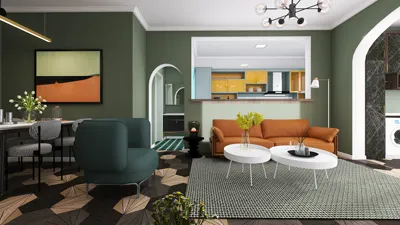
For studies and libraries, I frequently select rich, grounded colors such as deep green, indigo, or oxblood. These shades denote luxury and are perfectly suited for manor settings, where they can mask wear and elicit a cozy atmosphere. However, they require ample lighting, so enhance the space with sconces or brighter ceiling fixtures to avoid gloomy corners. Budget-conscious tip: consider painting only the wainscot or the lower portion in these deep tones, and keep the upper section lighter to economize on premium paint.
save pin
3. Soft Period Pastels for Bedrooms
For bedrooms that demand a historically sympathetic touch, I often use soft pastels—think gentle sage, powder blue, or warm blush. When paired with crisp white linens and brass fixtures, these colors evoke a romantic yet modern aesthetic that still respects tradition. To visualize your options effectively, mockups with a room layout planner like Homestyler can help you see how colors interact with fixed elements like mantels or built-ins while bearing in mind that camera images may slightly alter hues.
save pin
4. Statement Doors and Ceilings
When a room requires added personality without the need for an entire repaint, my go-to technique is to paint doors or ceilings in a contrasting yet complementary hue. A deep color for the doors can anchor the room, while a softly tinted ceiling can create an illusion of height and thoughtfulness. Bear in mind that this approach may require more maintenance; high-traffic doors might need frequent touch-ups, so opt for durable finishes or use bold treatments on doors that see less use.
save pin
5. Layered Finishes and Textured Effects
For a unique flair, I sometimes suggest combining matte walls with eggshell trim and satin finish doors; this variation catches light differently and gives a custom-crafted appearance. Venetian plaster or subtle limewash effects can be stunning for accent walls, though they necessitate experienced painters and may come at a higher cost—ideal for focal points but less so for functional areas. To help visualize intricate designs, export a floor plan from a 3D floor planner like Homestyler to harmonize colors with flooring and furniture selections before any painting occurs.
save pin
FAQ
Q1: What colors are most suitable for a manor house?
A1: Traditional palettes of warm neutrals, deep jewel tones, and soft period pastels usually work wonderfully. Keep in mind the architectural style and existing details when selecting colors.
Q2: Can modern paint be applied to a historic manor?
A2: Absolutely! However, if the building is very old, it’s essential to check for breathability; breathable mineral paints or limewash are often recommended for solid masonry to prevent moisture issues. If your manor is a listed building, consulting local conservation guidelines is a must; Historic England provides detailed advice on suitable materials.
Q3: How should I test paint colors in a manor?
A3: Apply large swatches on walls in different orientations and observe the colors at various times throughout the day; small test pots may not reveal the true interaction with light or scale. I also recommend testing near architectural features like coving or fireplaces for better results.
Q4: Which finish is best for trim and doors?
A4: Trim typically does well with a durable eggshell or satin finish for easy upkeep, while walls can be painted with a matte finish to disguise imperfections. Since doors endure a lot of wear, a tougher satin or semi-gloss is ideal.
Q5: Is it costly to repaint a manor house?
A5: Costs can vary significantly based on surface preparation, paint quality, and decorative techniques; straightforward repaints are typically cost-effective, whereas limewash, bespoke glazes, or historical restoration can increase expenses. Focus on areas that will have the highest visual impact if you're on a budget.
Q6: Should I hire a professional decorator?
A6: For complex finishes, high ceilings, or work requiring historic conservation, employing a skilled decorator or conservator can save you both money and headaches in the long run. I've observed DIY projects that look fantastic in photographs but ultimately struggle with durability—experience is key.
Q7: How can I protect painted surfaces in busy manor areas?
A7: Utilize washable paints in corridors and kitchens, and consider applying protective varnishes to high-traffic woodwork. Regularly matched touch-up kits can help keep rooms looking fresh with minimal effort.
Q8: Where can I find tested color schemes for period homes?
A8: Investigate archived paint collections from trustworthy manufacturers and resources from conservation organizations; many brands now offer color palettes specifically designed for historic interiors. Additionally, local heritage organizations often provide guides tailored to regional architectural styles.
save pin
Homestyler is your go-to online home design platform, perfect for bringing your creative visions to life. With an easy-to-use design tool, stunning 3D renderings, and a wealth of DIY video tutorials, transforming your space has never been more enjoyable or accessible!
تصميم الآن مجانا
































